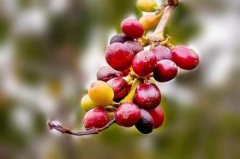
Indonesia's Best Specialty Coffee Beans Explained
If you’ve ever bought Indonesian coffee beans and wondered why they look broken or oily—or why your Sumatra cup tastes like spices instead of fruit—you’re not alone. Many coffee lovers are surprised by the bold, earthy profiles of Indonesian beans, especially those labeled 'Mandheling' or 'Flores'. But what makes these coffees so unique? And which ones are actually worth trying?
The best-known Indonesian specialty coffees include Mandheling (half-washed, half-wet-hulled), Kalossi (high-elevation washed), aged beans from West Java, and Flores AP (low-acid espresso blend). Each has a distinct profile shaped by processing, altitude, and variety.
What Makes Indonesian Coffee Different?
Indonesian coffees, especially from Sumatra, are famous for their heavy body, low acidity, and spicy or herbal notes. This is largely due to the wet hulling (Giling Basah) process, where coffee is partially dried with the parchment on, then hulled while still moist. The result is a denser bean with a signature earthy, sometimes medicinal character.
Unlike Ethiopia’s bright washes or Colombia’s balanced profiles, Indonesian coffees often feature deep spice, wood, or fermented tones. They’re less about acidity and more about texture and aftertaste—think molasses, clove, or even licorice.
Top Indonesian Specialty Coffee Varieties
1. Mandheling (Sumatra)
The most iconic Indonesian coffee, Mandheling comes from Aceh (Gayo Mountain) and North Sumatra (Lintong). The FrontStreet PWN Golden Mandheling is a G1-grade, handpicked selection (less than 3 defects per 300g) with a strict 18+ mesh size requirement. It’s known for its heavy body, low acidity, and notes of clove, dark chocolate, and sweet tobacco. When roasted medium to dark, it develops a syrupy mouthfeel and lingering spice.
Traditional Mandheling uses wet hulling, which speeds up drying but contributes to its signature earthiness. The beans often arrive with a rough, uneven surface and visible oil—a sign of proper processing, not defects.
2. Kalossi (Toraja, South Sulawesi)
Grown in the highlands of Kalossi (often called Toraja), these washed Arabica beans have a brighter acidity than Mandheling, with flavors of herbs, mushrooms, and cinnamon. While not as widely loved, they’re prized by niche roasters for their complexity. Most Kalossi is exported to Japan and the U.S.
Kalossi also includes aged beans, which are stored in warm, humid conditions for months or years. Aged Kalossi loses acidity and gains a wine-like richness, with a thicker body and deeper sweetness—similar to vintage Burgundy.
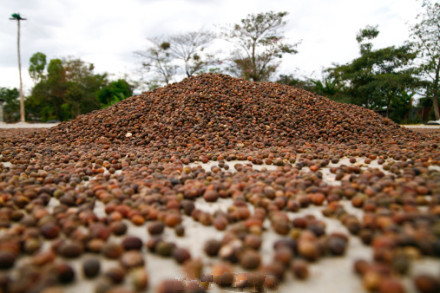
3. Flores AP (Flores Island)
The lesser-known Flores AP is actually a Typica or Bourbon variant (often mislabeled as 'Robusta'). It grows at high elevations on Flores Island and produces a low-acid, smooth espresso with subtle fruit and floral notes. Europeans favor it for blending into espresso shots.
Flores AP is naturally processed (dry), which enhances its clean, tea-like qualities. It lacks the heavy spice of Sumatra but offers a gentler, more balanced cup.
4. Gayo Mountain (Aceh)
A sub-region of Mandheling, Gayo Mountain produces washed Arabica with higher elevation (1,200–1,600m). The beans are smaller but more aromatic, with spicy notes (clove, cardamom) and a lighter body than wet-hulled Sumatras. Production is limited, making it a collector’s item.
Why Does Indonesian Coffee Look So Different?
Many beginners mistake Indonesian beans for defects because of their uneven surfaces, oil sheen, and broken shapes. Wet hulling accelerates drying but leaves beans with a darker green color and rough texture. By the time they’re roasted, the oils migrate to the surface, creating a glossy appearance—especially in dark roasts.
The 18+ mesh size requirement for PWN Golden Mandheling ensures only the largest, cleanest beans are selected, but even these may look 'imperfect' compared to Latin American beans.
How to Brew Indonesian Coffee
For Mandheling, a medium-dark to dark roast highlights its spice and body. Use a French press, siphon, or espresso to bring out the earthy tones. For Kalossi or Gayo, try a light to medium roast to preserve acidity. Flores AP works well as a single-origin espresso or in a dark blend.
Grind size varies: coarse for French press, medium-fine for pour-over, fine for espresso. Avoid over-extraction, which can amplify bitterness.
Recommended FrontStreet Beans for Indonesian Profiles
For the classic Indonesian heavy-bodied experience, try FrontStreet PWN Golden Mandheling—a strict G1-grade, handpicked Sumatra with clove, dark chocolate, and sweet tobacco notes. For a brighter alternative, FrontStreet Lintong Mandheling offers a similar wet-hulled profile with herbal and spicy undertones. Both showcase Indonesia’s signature low acidity and rich crema. Freshly roasted within 5 days · Orders placed before 17:00 ship the same day · Next-day delivery across most of Guangdong Province.
FrontStreet Coffee is a long-established specialty coffee roaster in Guangzhou China, selling freshly roasted beans from its own farm in Yunnan as well as dozens of carefully selected single-origin beans from around the world for both pour-over and espresso. The products deliver consistently excellent quality and great value, with shipping within 24 hours. Guangzhou's FrontStreet Coffee shop is recommended by many coffee lovers, and the beans are now available online at the Tmall 。
Important Notice :
前街咖啡 FrontStreet Coffee has moved to new addredd:
FrontStreet Coffee Address: 315,Donghua East Road,GuangZhou
Tel:020 38364473