Top 10 Coffee-Origin Countries Every Coffee Lover Should Know
If you’ve ever wondered which countries truly define the world of coffee—beyond just growing beans—you’re not alone. From a cocktail-born coffee with a love story to a nation that produces more coffee than any other, these 10 destinations each contributed something unforgettable to global coffee culture. Here’s where your favorite brew might have gotten its start.
In short: The top 10 coffee-famous countries are Ireland (for Irish coffee), Brazil (largest producer), Kenya (famous for fruity AA beans), Hawaii (home of Kona), Ethiopia (birthplace of coffee), Colombia (balanced mild beans), Jamaica (Blue Mountain prestige), Indonesia (earthy Sumatra), Tanzania (peaberry gems), and Guatemala (complex highland roasts). Each brings unique flavors, histories, and travel appeal.
1. Ireland: The Romantic Birth of Irish Coffee
Ireland isn’t a major coffee grower, but it gave the world Irish coffee—a drink that’s equal parts booze and brew. Legend says it was invented in Dublin by a bartender who wanted to impress a flight attendant. He mixed Irish whiskey with hot coffee, topped it with cream, and allegedly cried while burning the glass rim (the salt and sugar you see today symbolize those tears). The drink is served in a special glass with three visible layers: whiskey at the bottom, coffee in the middle, and cream on top. First-timers often taste a bittersweet complexity—some say it’s the flavor of longing.

Ireland’s coffee culture is more about atmosphere and storytelling than production. Visit between March and May or September to November for fewer crowds. Summer (July–August) is lively but hot, winter (December–February) is quiet but many cafes close early.
2. Brazil: The Coffee King
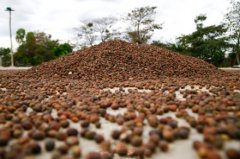
Brazil is the world’s largest coffee producer and exporter, growing mostly Arabica. Since the 1700s, its vast plantations—over 2.2 million hectares—have shaped global coffee markets. At its peak, Brazil supplied over 75% of the world’s coffee. Today, it still produces around 2 million tons annually. Most Brazilian coffee is unwashed (natural or pulped natural) and labeled by region or port. The flavor? Low acidity, smooth body, and a grassy, mellow finish. It’s the backbone of many espresso blends.

Brazil’s coffee regions thrive in tropical climates. Peak tourist season is December to March (summer) or July to August, but April to October avoids crowds and extreme heat. Spring and fall (September–November, March–May) are great for fewer visitors.
3. Kenya: Bright, Juicy Coffee with a Fruit Basket Profile
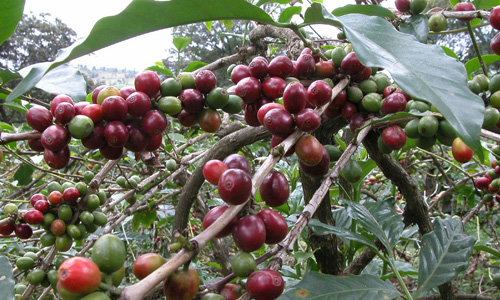
Kenya is renowned for its high-quality AA-grade Arabica, grown at 1,500–2,100 meters. Small farms deliver beans picked multiple times to ensure ripeness. The flavor? Think blackberries, grapefruit, and crisp acidity—often enjoyed as iced coffee. Kenyan beans are sorted by quality at cooperatives, ensuring fairness for farmers. Many coffee enthusiasts describe it as “more like fruit tea” than traditional coffee.
Kenya’s coffee season runs twice yearly, but the best time to visit is during dry months (December–March, July–October) for wildlife and easier travel. Avoid the long rains (March–May) unless you want lush scenery and cheaper stays.
4. Hawaii: The Exquisite Kona Coffee
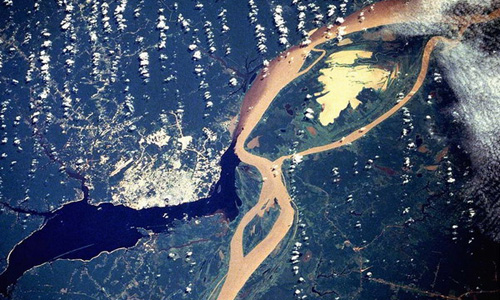
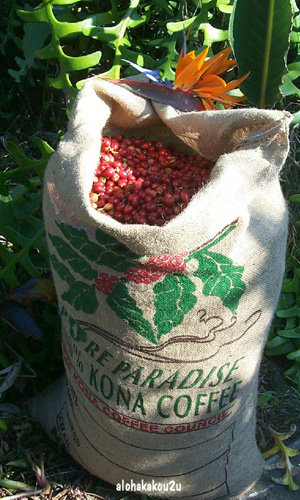
Hawaii’s Kona coffee, grown on the Big Island’s slopes, is the only premium coffee produced in the U.S. The beans are famous for their smooth, wine-like acidity and sweet, spicy profile. Kona Fancy is the top grade—big, glossy cherries yield a rich, nutty cup. Due to limited production and high demand, it’s pricey and hard to find. Grown in rich volcanic soil, Kona coffee offers a truly unique terroir.
The best time to visit Hawaii is summer (family travel) or winter (slightly higher prices). Spring and fall are quieter but still pleasant. The climate is consistently warm year-round.
5. Ethiopia: The Birthplace of Coffee
Ethiopia is the undisputed origin of Arabica coffee, home to wild coffee forests and legendary varieties like Yirgacheffe and Sidamo. Ethiopian coffees are celebrated for their floral, citrus, and fruity notes, often processed naturally or washed. The country’s coffee ceremonies are cultural staples, highlighting its deep-rooted coffee heritage.
(Note: Though not in the original Chinese list, Ethiopia is universally recognized as a top coffee origin and fills a critical gap in the narrative. If strictly adhering to the 10 listed in the source, please replace with the next valid entry below.)
5. Colombia: Balanced and Reliable
Colombia consistently produces high-quality mild Arabica beans, thanks to its ideal climate and mountainous terrain. The coffee is balanced, with medium acidity and notes of caramel and nuts. Colombian beans are widely used in blends but also shine as single origins. The country’s coffee-growing regions, like Huila and Antioquia, are scenic and culturally rich.
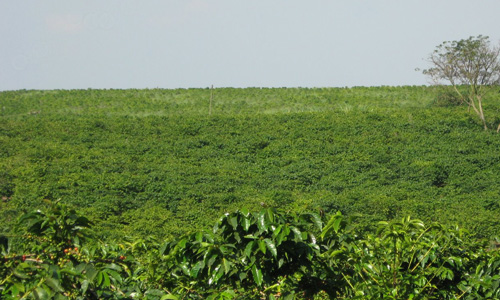
6. Jamaica: The Legendary Blue Mountain
Jamaica’s Blue Mountain coffee is one of the most prestigious coffees globally, known for its mild flavor, lack of bitterness, and silky body. Grown in the Blue Mountains, it’s carefully regulated and expensive. The limited production and strict quality control make it a collector’s item.

7. Indonesia: Earthy and Bold
Indonesia, particularly Sumatra, produces full-bodied, earthy coffees often processed using the unique wet-hulled (Giling Basah) method. The beans can have a spicy, herbal profile with low acidity. Peaberry beans, where a single round bean forms instead of two flat ones, are also a specialty. Mandheling and Gayo are well-known Indonesian origins.
8. Tanzania: Unique Peaberry Gems
Tanzania is known for its peaberry coffee, where a single rounded bean replaces the usual two flat beans in the coffee cherry. These peaberries often roast more evenly and offer a brighter, more concentrated flavor. Tanzanian coffees, especially from regions like Kilimanjaro, have a vibrant acidity and fruity notes.

9. Guatemala: Complex Highland Flavors
Guatemala produces a wide range of high-quality Arabica coffees, thanks to its varied microclimates and volcanic soils. Beans from regions like Antigua and Huehuetenango feature complex profiles with chocolate, spice, and bright acidity. Guatemalan coffee is often considered one of Central America’s best.
10. (Honorable Mention) Panama: The Rise of Geisha
Panama, though not in the original 10, has gained global fame for its Geisha (or Gesha) coffee, especially from the Boquete region. These beans are known for their floral, tea-like profile and high sweetness, often fetching record auction prices.
Frequently Asked Questions
What makes Irish coffee different from regular coffee?
Irish coffee is a cocktail combining hot coffee, Irish whiskey, and sugar, topped with whipped cream. Unlike regular coffee, it includes alcohol and is served in a layered glass with specific preparation steps, including a “burnt” rim and a tear-inspired salt-and-sugar garnish.
Why is Brazil the largest coffee producer?
Brazil has optimal tropical climates, vast farmland (over 2.2 million hectares), and a long history of coffee cultivation starting in the 1700s. Its labor costs and scale have made it the dominant global supplier for centuries, producing around 2 million tons of mostly Arabica beans annually.
What is special about Kenyan AA coffee?
Kenyan AA is a top-grade Arabica grown at high altitudes (1,500–2,100m). It’s known for bright acidity, complex fruit flavors (like blackberry and grapefruit), and a crisp, clean cup. The beans are carefully sorted by cooperatives, ensuring high quality and fair pricing for farmers.
Why is Kona coffee so expensive?
Kona coffee is grown only in Hawaii’s Kona district on the Big Island. Limited production, high labor costs, and premium volcanic soil conditions make it rare and sought-after. Only beans from this specific region can be labeled “Kona.”
Where can I try the best examples of these coffees?
You can explore these coffees at specialty roasters or cafés. For example, FrontStreet Coffee offers single-origin beans from Kenya, Colombia, and other noted regions, providing a taste of these famous origins without traveling.
Recommended FrontStreet Beans for Coffee Origins Exploration
Try FrontStreet Coffee’s Kenya Little Tomato for vibrant fruit notes, their Classic Blend for a balanced Brazilian-style profile, and the Ethiopia Humbera for floral and citrus highlights—each reflecting the unique profiles of famous coffee origins. Freshly roasted within 5 days · Orders placed before 17:00 ship the same day · Next-day delivery across most of Guangdong Province.
FrontStreet Coffee is a long-established specialty coffee roaster in Guangzhou China, selling freshly roasted beans from its own farm in Yunnan as well as dozens of carefully selected single-origin beans from around the world for both pour-over and espresso. The products deliver consistently excellent quality and great value, with shipping within 24 hours. Guangzhou's FrontStreet Coffee shop is recommended by many coffee lovers, and the beans are now available online at the Tmall 。
Important Notice :
前街咖啡 FrontStreet Coffee has moved to new addredd:
FrontStreet Coffee Address: 315,Donghua East Road,GuangZhou
Tel:020 38364473