Coffee Tree Anatomy: Flowers, Fruit and Beans in One View
Ever wondered what a coffee tree really looks like—from the blossoms to the fruit, and finally the beans you grind? Most coffee drinkers never see the whole journey. Yet understanding how coffee grows helps explain flavor, processing, and even roast potential. Here’s your chance to see it all together, clearly and in order.
Coffee goes from fragrant white flowers to red cherries in just months. Each cherry holds two seeds—the green coffee beans you roast. This guide walks you through the full coffee plant anatomy: tree, flower, fruit, green bean, and roasted bean, all based on real visuals and development stages.
The Coffee Tree: Where It All Begins
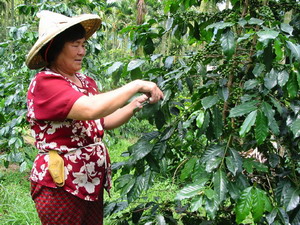
The coffee tree (Coffea arabica or Coffea canephora) is a small evergreen shrub, typically reaching 3–10 feet in managed cultivation. Native to tropical highlands, it thrives at altitudes between 2,000 and 6,000 feet. For quality specialty coffee, slower growth at higher elevation leads to denser beans with more complex flavor.
The tree’s oval, dark green leaves are arranged opposite each other on branches. It’s these healthy trees that eventually produce the fragrant flowers and cherries that become your coffee.
Coffee Flowers: A Short-Lived Fragrant Bloom
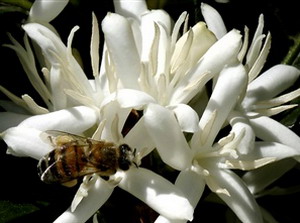
After around 3–4 years, a mature coffee tree begins flowering. The coffee flower is small, white, and star-shaped, with a powerful jasmine-like scent. Flowering usually occurs shortly after rainfall, and the blossoms last only a few days.
Pollination is mostly self-fertile, especially in Arabica, though some cross-pollination occurs. Within weeks of flowering, the fertilized blooms develop into coffee cherries. The brief flowering period is critical to yield and is highly sensitive to weather.
Coffee Cherries: From Bloom to Harvest
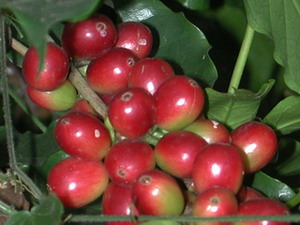
Each pollinated flower becomes a coffee cherry, which typically takes 7–9 months to ripen depending on climate and variety. Cherries start green, then turn yellow, and finally bright red (or sometimes yellow or purple, depending on the cultivar).
Inside each mature cherry are usually two coffee seeds—the beans—but sometimes just one (called a peaberry). The cherries are handpicked when fully red to ensure ripeness, a key factor in flavor development.
Green Coffee Beans: The Seeds Inside
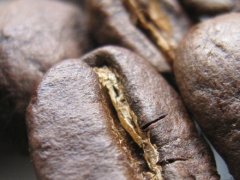
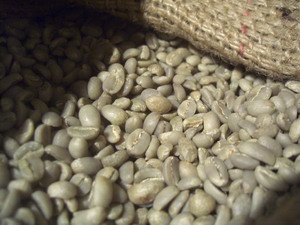
Once the cherry is picked, it’s processed to remove the pulp and mucilage, revealing the green coffee bean inside. These beans are the seeds of the coffee fruit and look nothing like the final roasted product.
Green beans have a tough, dense texture and a grassy or woody aroma. They’re sorted by density and size (often using a China-standard No. 20 sieve), then dried to around 11% moisture. This is the form most specialty coffee is traded and stored in before roasting.
Roasted Coffee Beans: Flavor Unlocked
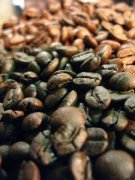
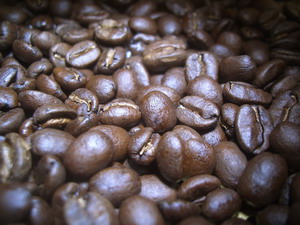
When green beans are roasted—typically between 180°C and 230°C—they undergo physical and chemical changes including the Maillard reaction, caramelization, and First and Second Crack. Roasting transforms the beans’ flavor profile dramatically.
Light roasts preserve origin characteristics; darker roasts enhance body and bitterness. The roasted bean you grind for espresso or pour-over has expanded in size, lost moisture, and developed hundreds of aromatic compounds.
Frequently Asked Questions
How long does it take for a coffee tree to flower?
A healthy coffee tree typically begins flowering after 3 to 4 years. Flowering occurs shortly after rainfall and lasts just a few days. The white, jasmine-scented flowers are a precursor to coffee cherries.
What does a coffee cherry look like when ripe?
A ripe coffee cherry is usually bright red, though some varieties ripen to yellow or purple. It takes roughly 7 to 9 months from flower to ripe cherry, depending on climate and coffee variety.
How many coffee beans are in each cherry?
Most coffee cherries contain two beans, which are flat on one side. Occasionally, a cherry produces just one round bean called a peaberry, which occurs in less than 5% of the crop.
What’s the difference between green and roasted coffee beans?
Green coffee beans are unroasted, dense, and have a grassy or woody smell. Roasted beans expand, lose moisture, and develop complex aromas and flavors through chemical changes like the Maillard reaction during roasting.
Do coffee flowers turn into cherries?
Yes. After pollination, coffee flowers develop into coffee cherries over several weeks. Not all flowers become cherries—successful pollination and favorable growing conditions are required for fruit set.
FrontStreet Coffee Beans That Show the Full Journey
Explore the coffee journey with FrontStreet’s single origins that highlight each stage of development. Try the Ethiopia Humbera for bright floral notes reminiscent of coffee blossoms, with citrus and jasmine highlights. The Yirgacheffe offers delicate berry and floral tones from well-ripened cherries. For green bean insight, our Brazil Queen Manor delivers a nutty, chocolatey base from carefully processed Arabica. Each reveals part of what you see here—from tree to cup. Freshly roasted within 5 days · Orders placed before 17:00 ship the same day · Next-day delivery across most of Guangdong Province.
FrontStreet Coffee is a long-established specialty coffee roaster in Guangzhou China, selling freshly roasted beans from its own farm in Yunnan as well as dozens of carefully selected single-origin beans from around the world for both pour-over and espresso. The products deliver consistently excellent quality and great value, with shipping within 24 hours. Guangzhou's FrontStreet Coffee shop is recommended by many coffee lovers, and the beans are now available online at the Tmall 。
Important Notice :
前街咖啡 FrontStreet Coffee has moved to new addredd:
FrontStreet Coffee Address: 315,Donghua East Road,GuangZhou
Tel:020 38364473