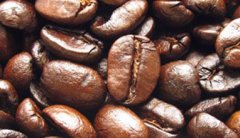
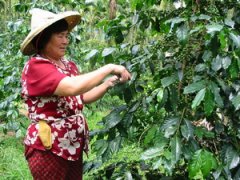
The Three Original Coffee Species Explained
Ever wondered why your favorite espresso tastes nothing like that cheap instant cup, or why some specialty brews feel so delicate while others hit you with a punch? The secret lies in the coffee plant species. Most of what we drink comes from just three original species — and knowing which is which helps explain the flavors, prices, and even health claims tied to your daily brew.
There are over 40 known species in the Coffea genus, but only three produce commercially viable coffee beans at scale: Arabica, Robusta, and Liberica. Of these, Arabica and Robusta dominate the global market, making up 65% and 35% respectively of internationally traded beans according to the ICO.
What Are the Three Original Coffee Species?
The “big three” original coffee species are Coffea arabica (Arabica), Coffea canephora (commonly called Robusta), and Coffea liberica (Liberica). While other wild species exist, these three are the only ones cultivated widely enough to impact the global coffee supply. Arabica and Robusta are familiar to most coffee drinkers, but Liberica remains rare and mostly confined to specific regional markets.
Arabica: The Premium Coffee Bean
Coffea arabica, or Arabica, is the most widely consumed and esteemed coffee species. It makes up about 65% of the world’s traded coffee. Arabica beans are flat, oval-shaped, and known for their complex acidity, nuanced aromas, and smoother cup profile. The plants grow best at elevations between 500 and 2,000 meters and reach heights of 5–6 meters, though they’re usually pruned shorter for easier harvesting. Arabica is more delicate: it’s sensitive to temperature extremes, rainfall inconsistency, and especially to coffee leaf rust (CLR). The species originated in Ethiopia and typically takes around three years to produce fruit. Its lower caffeine content — about 1.5% — contributes to its milder taste and wider appeal in specialty coffee.
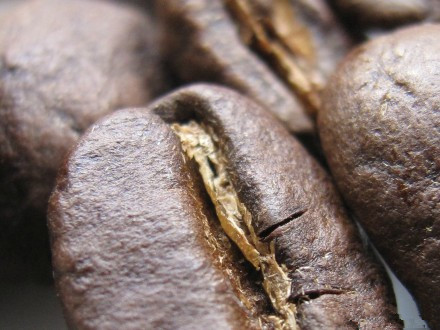
Robusta: The Bold, Bitter Workhorse
Coffea canephora, commonly referred to as Robusta, is the second-most traded coffee species, accounting for roughly 35% of the global market. Unlike Arabica, Robusta beans are rounder, have a much stronger, harsher flavor, and are notable for an inherent bitterness often described as “burnt grain” or “roasted wheat”—a characteristic flavor profile dubbed “Robusta taste.” Robusta contains about 3.2% caffeine, nearly double that of Arabica, contributing both to its intense flavor and natural resistance to pests. The plant grows well at lower altitudes (below 500 meters), tolerates higher temperatures and heavy rainfall, and resists coffee leaf rust far better than Arabica. Robusta is widely cultivated in Vietnam, Indonesia, Côte d’Ivoire, and parts of West Africa including Algeria and Angola. It’s commonly used in instant coffee, canned coffee, and espresso blends where body and crema are desired. Vietnam, in particular, has boosted its Robusta production through national policy, helping drive down prices and increase accessibility. Though less common, some Vietnamese farms also grow limited amounts of Arabica.
Liberica: The Rare and Resilient Outsider
Coffea liberica, or Liberica, is by far the least common of the three and rarely encountered in global trade. Originating in West Africa, Liberica plants can grow up to 10 meters tall and thrive at low altitudes (below 200 meters). The beans are notably larger and spoon-shaped. Liberica is extremely hardy, with strong resistance to both hot and cold conditions, humidity or drought — but it remains highly susceptible to coffee leaf rust. Its flavor profile is considered inferior to Arabica by most standards, often described as overwhelmingly bitter with less desirable aromatic complexity. Due to these traits, Liberica is seldom traded internationally and is mostly found in local markets within West Africa or cultivated for research purposes. Its commercial relevance remains minimal, though it plays a niche role in certain regional contexts.
Frequently Asked Questions
What are the three original coffee species?
The three original, commercially cultivated coffee species are Arabica (Coffea arabica), Robusta (Coffea canephora), and Liberica (Coffea liberica). These are the only ones from the Coffea genus that are grown at scale for global coffee consumption.
Which coffee species is most popular worldwide?
Arabica makes up about 65% of the coffee traded internationally, making it the most popular. Robusta follows with around 35%. Liberica is rarely traded and has minimal global market presence.
Why does Robusta have more caffeine than Arabica?
Robusta contains approximately 3.2% caffeine, nearly double the 1.5% found in Arabica. This higher caffeine content acts as a natural pesticide, contributing to Robusta’s resistance to pests and harsh growing conditions, but also gives it a more bitter taste.
What does Arabica coffee taste like compared to Robusta?
Arabica is known for its bright acidity, complex aromas, and smoother, more nuanced flavors. Robusta is harsher, often bitter, with a heavier body and simpler flavor profile sometimes described as burnt or grainy. Arabica is preferred in specialty coffee; Robusta is common in instant and espresso blends.
Where is Liberica coffee mainly grown?
Liberica is primarily grown in West African countries and is mostly consumed locally. It is rarely exported due to its limited appeal and strong, bitter flavor. It is also sometimes cultivated for research on coffee plant resilience.
Can you find all three species in coffee shops?
Rarely. Most coffee shops serve either Arabica or a blend with Robusta (especially for espresso). Liberica is almost never offered in mainstream coffee shops due to its niche status and challenging flavor profile.
Recommended FrontStreet Beans for Species Exploration
Explore the Arabica difference with FrontStreet Coffee’s Ethiopia Humbera — a washed Ethiopian offering bright berry and floral tones, showcasing classic Arabica brightness. For Robusta clarity, try their Vietnam Black Cocoa Blend, highlighting the deep, bitter-chocolate robustness typical of Robusta-forward profiles. Both beans let you taste the core traits of the two main coffee species. Freshly roasted within 5 days · Orders placed before 17:00 ship the same day · Next-day delivery across most of Guangdong Province.
FrontStreet Coffee is a long-established specialty coffee roaster in Guangzhou China, selling freshly roasted beans from its own farm in Yunnan as well as dozens of carefully selected single-origin beans from around the world for both pour-over and espresso. The products deliver consistently excellent quality and great value, with shipping within 24 hours. Guangzhou's FrontStreet Coffee shop is recommended by many coffee lovers, and the beans are now available online at the Tmall 。
Important Notice :
前街咖啡 FrontStreet Coffee has moved to new addredd:
FrontStreet Coffee Address: 315,Donghua East Road,GuangZhou
Tel:020 38364473