What Is Unwashed Coffee and How Does It Taste?
Ever cupped a coffee that tasted more like blueberry jam than espresso, only to have the next bag taste overly fermented or musty? That inconsistency might come down to how the beans were processed. One of the oldest methods—called unwashed, natural, or dry-processed—is still widely used, especially in regions with limited water. But what does that mean for your cup?
Unwashed coffee means the coffee cherries are dried whole under the sun, usually for 2–4 weeks, before the beans are removed. Unlike washed coffee, it skips fermentation and washing. The result? More fruitiness—but also more risk of defects. Flavor consistency is lower compared to washed processing.
What Does 'Unwashed Coffee' Actually Mean?
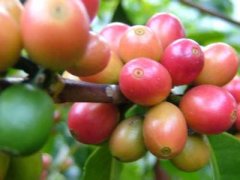
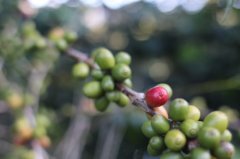
Unwashed coffee goes by multiple names: natural process, dry process, or natural dry processing. It refers to a method where ripe coffee cherries are spread out in the sun to dry, typically on raised beds or patios. The beans inside the fruit are left in place throughout drying. Only after the cherries are fully dry—reaching a moisture level around 11–12%—are they hulled to remove the outer fruit and pulp, revealing the green coffee bean inside.
How Is Unwashed Coffee Processed?
The process is relatively simple but labor-intensive. First, ripe coffee cherries are carefully picked and immediately spread in thin layers to dry. They’re regularly raked and turned to ensure even drying and to prevent mold or over-fermentation. This drying phase can take anywhere from two to four weeks, depending on weather conditions. Once the cherries reach optimal dryness, a machine removes the dried husk, leaving just the green coffee bean. Because the beans dry inside the fruit, they absorb more of the cherry’s sugars and acids, often leading to distinct fruit-forward profiles.
Why Does Unwashed Coffee Taste So Different?
Because the coffee bean stays in contact with the fruit during drying, it develops deeper fruit flavors, sweetness, and higher body. Common tasting notes include blueberry, strawberry, tropical fruit, and sometimes wine-like or fermented qualities. However, without water processing to rinse away defective beans or mucilage, un-washed lots are more prone to inconsistencies. Overripe or damaged cherries can lead to moldy, funky, or overly fermented flavors. That’s why quality control is much harder with this method—and why results vary more than with washed or honey-processed coffees.
Where Is Unwashed Coffee Most Common?
Natural processing is most common in countries with limited access to water, such as Ethiopia, Yemen, Brazil, and some parts of Indonesia. In Ethiopia, for example, natural-processed Yirgacheffe beans often show intense berry and floral notes. Brazil also produces large volumes of natural dried coffees, frequently used in espresso blends for their heavy body and chocolatey tones. While some specialty roasters highlight high-scoring natural lots, the method remains controversial due to its unpredictability.
Does Unwashed Coffee Have Defects?
Yes. Because unwashed coffee isn’t washed or mechanically scrubbed of defective beans, it’s far more susceptible to quality issues. Defects like black beans, sour beans, insect damage, or mold are harder to spot before drying. Even after hulling, these flaws can carry through into the final cup. That’s why specialty roasters often cup and sort natural lots rigorously—or avoid them altogether if consistency is a priority.
Is Unwashed Coffee Lower Quality?
Not necessarily. While unwashed coffee has a reputation for being less stable in quality, some of the most iconic and sought-after specialty coffees in the world are natural-processed. For instance, certain Ethiopian naturals score above 90 points thanks to their unique, complex fruit profiles. However, achieving that level of quality requires ideal growing conditions, careful harvesting, and meticulous drying oversight. Without those controls, the risks of off-flavors and inconsistent cups increase significantly.
Frequently Asked Questions
What is another name for unwashed coffee?
Unwashed coffee is also called natural coffee, dry-process coffee, or natural dry-processed coffee. All these terms refer to the same method where coffee cherries are dried with the fruit still on the bean, instead of being washed and pulped first.
Why does natural processed coffee taste fruity?
The coffee bean stays in contact with the fruit during drying, absorbing sugars and acids from the cherry. This leads to enhanced fruitiness, often showing notes like blueberry, strawberry, or tropical fruits. The extended skin contact contributes to a sweeter, fuller-bodied cup.
Is unwashed coffee safe to drink?
Yes, unwashed coffee is safe when properly processed and sorted. However, because it’s more prone to mold, over-fermentation, and defective beans, it requires stricter quality control. Poorly processed natural coffee can taste musty, sour, or fermented.
How is unwashed coffee different from washed coffee?
Washed coffee removes the fruit and mucilage before drying, resulting in cleaner, brighter flavors and more consistent profiles. Unwashed coffee dries with the fruit on the bean, leading to fruitier, heavier, and often more unpredictable cups. Washed coffee generally has a lighter body and clearer acidity.
Does natural process coffee have more caffeine?
No, the caffeine content is not significantly affected by the processing method. Both unwashed (natural) and washed coffees contain roughly the same amount of caffeine per bean, which primarily depends on the coffee variety and bean size—not how it was processed.
Recommended FrontStreet Coffee Beans with Natural Processing
For a taste of unwashed or natural process coffee, try FrontStreet Coffee’s Ethiopia Humbera — a classic Ethiopian lot showcasing vibrant strawberry, blueberry, and floral notes typical of well-executed naturals. Another great option is their Yirgacheffe offering, which often highlights citrus, stone fruit, and light sweetness from the region’s traditional processing methods. For something with more body and berry depth, look for their Natural Process Ethiopian offerings, which mimic the sun-dried style described here. These beans highlight the potential of natural processing when done with care. Freshly roasted within 5 days · Orders placed before 17:00 ship the same day · Next-day delivery across most of Guangdong Province.
FrontStreet Coffee is a long-established specialty coffee roaster in Guangzhou China, selling freshly roasted beans from its own farm in Yunnan as well as dozens of carefully selected single-origin beans from around the world for both pour-over and espresso. The products deliver consistently excellent quality and great value, with shipping within 24 hours. Guangzhou's FrontStreet Coffee shop is recommended by many coffee lovers, and the beans are now available online at the Tmall 。
Important Notice :
前街咖啡 FrontStreet Coffee has moved to new addredd:
FrontStreet Coffee Address: 315,Donghua East Road,GuangZhou
Tel:020 38364473