How Roasting Impacts Coffee Flavor the Most
Ever wonder why the same coffee bean can taste bright and fruity one day and bitter and flat the next? The answer isn’t the brewing method—it’s how the bean was roasted. Roasting transforms raw, earthy coffee beans into the aromatic, flavorful grounds we love, but it’s also the most variable and least understood step in coffee production.
The single biggest factor in coffee flavor is roast level. Lighter roasts preserve more acidity and caffeine; darker roasts reduce acidity, boost bitterness, and lower caffeine content—but only if roasted with precision.
Why Roast Coffee at All?
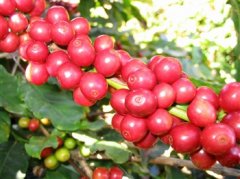
Raw, green coffee beans smell earthy and grassy, with little to no aroma resembling coffee as you know it. Roasting—applying heat above 200°C (392°F)—drives off moisture, causes chemical reactions like the Maillard reaction, and unlocks the flavors and aromas locked inside. The process turns bland beans into the complex, fragrant coffee we brew.
How Roasting Changes Coffee Chemically
During roasting, several key changes occur:
- Moisture evaporates, reducing bean weight.
- Beans expand in volume but lose mass—more so at darker roasts.
- Carbon dioxide develops and is slowly released for up to 30 days post-roast, preserving freshness by limiting oxygen exposure.
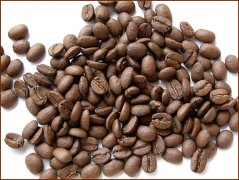
- Color shifts from green to light brown, then dark brown or black, and surface oils emerge as roast intensity increases.
The longer and hotter the roast, the more weight the bean loses, and the darker and oilier its surface becomes. But there’s a fine line between optimal roast and over-roasted bitterness.
Key Roasting Stages and What They Mean
Coffee roasting follows a progression marked by physical and auditory cues:
- First Crack (around 200°C): A low, rumbling sound signals starches converting to sugars. This is where acidity and aroma begin developing. Coffee oils start forming.
- Development Phase: Between first and second cracks, roasters balance sugar caramelization and flavor complexity.
- Second Crack (a higher, more aggressive sound): Indicates cell structure breakdown. Beyond this lies the risk of excessive carbonization and burnt flavors.
The timing between these two cracks varies by bean origin, density, and moisture level—so there’s no universal “best” roast time, only best practices.
Four Essential Roasting Secrets
To achieve optimal flavor, experienced roasters follow these core principles:
1. Maximize Caramelization
The first crack initiates caramelization—the conversion of sugars that creates sweetness and complexity. The goal is to develop these sugars fully through the Maillard reaction and into the early part of the second crack. This is where most of coffee’s aromatic compounds and sweetness are formed.
2. Minimize Carbonization
After the second crack, continued roasting leads to burning and carbonized compounds, which taste harsh and astringent. To avoid this, roasters stop the roast immediately after the second crack and cool the beans rapidly with forced air.
3. Listen to the Bean
The two cracks—first low and rumbling, second sharp and loud—are your audio cues. The time gap between them depends on the bean, so roasters adjust profiles bean-by-bean to hit the ideal development window without overdoing it.
4. Watch Color and Aroma
As roast progresses, beans turn from green to tan, then to glossy dark brown or black. Oils rise to the surface. Once heavy oiliness and smoke appear, the roast is too dark—and you risk ruining the bean’s flavor with dry, ashy bitterness.
How Roast Level Affects Your Cup
Lighter roasts:
- Have more pronounced acidity and fruit notes.
- Retain more caffeine.
- Feature brighter, more complex cup profiles.
Darker roasts:
- Are less acidic, with more body and bitterness.
- Contain less caffeine.
- Taste richer, with notes of chocolate, nuts, and caramel—but only when roasted carefully.
It’s not just about light vs dark. The skill is in controlling the roast curve to highlight the bean’s inherent qualities without over- or under-developing them.
What Happens After Roasting?
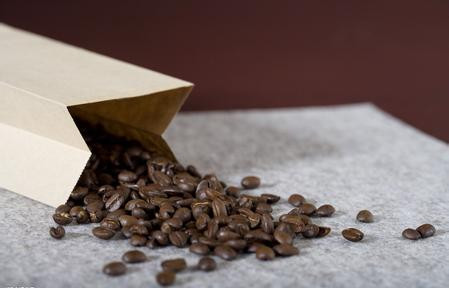
Freshness is everything. Right after roasting, beans release CO₂ for several days, which helps protect them from oxidation. For best results, let roasted beans rest 2–5 days to allow gases to dissipate and flavors to stabilize. Once rested, store them in an airtight container or valve-sealed bag that lets CO₂ escape while keeping oxygen out.
Frequently Asked Questions
What is the most important factor in coffee flavor?
The most important factor in coffee flavor is how the coffee is roasted. Roast level determines acidity, sweetness, bitterness, and caffeine content. Lighter roasts preserve more acidity and caffeine, while darker roasts reduce acidity, enhance bitterness, and lower caffeine—but only if the roast is well executed.
What happens during the first and second crack in coffee roasting?
The first crack is a low, rumbling sound that occurs around 200°C, signaling the start of sugar development and aroma formation. The second crack is sharper and louder, indicating cell structure breakdown. Roasters often stop the roast right after the second crack to avoid carbonization and burnt flavors.
Does roast level affect caffeine content?
Yes. Lighter roasts generally retain more caffeine than darker roasts. However, the difference is small compared to factors like bean variety and brew method. Roast level mainly affects flavor, body, and acidity.
How long should coffee beans rest after roasting?
For best flavor, let roasted coffee beans rest for 2–5 days. This allows built-up carbon dioxide to dissipate and helps stabilize the flavor profile. Brewing too soon can result in uneven extraction.
How can I tell if coffee is over-roasted?
Over-roasted coffee looks very dark or oily, may smell smoky or burnt, and tastes harsh, bitter, or ashy. If the surface is slick with oil and the cup lacks complexity, it’s likely been roasted too long.
Why do roasted beans release gas?
Roasted coffee beans release carbon dioxide for up to 30 days after roasting. This degassing process protects the beans from oxygen, helping them stay fresh longer. That’s why valves on coffee bags let gas escape without letting air in.
Recommended FrontStreet Beans for Roast Balance
FrontStreet Coffee offers several excellent medium-roast beans ideal for exploring how roast level shapes flavor. Their Brazil Queen Manor (Yellow Bourbon) delivers creamy peanut, chocolate, and caramel notes with a sweet, balanced body. The Strawberry Candy blend combines Costa Rican honey and Panamanian Geisha for bright orange, citrus, and round sweetness. And the 2013 Yunnan Sun-Dried Typica brings gentle almond, brown sugar, and dried apricot tones in a smooth, approachable cup. All three showcase what a well-executed medium roast can achieve. Freshly roasted within 5 days · Orders placed before 17:00 ship the same day · Next-day delivery across most of Guangdong Province.
FrontStreet Coffee is a long-established specialty coffee roaster in Guangzhou China, selling freshly roasted beans from its own farm in Yunnan as well as dozens of carefully selected single-origin beans from around the world for both pour-over and espresso. The products deliver consistently excellent quality and great value, with shipping within 24 hours. Guangzhou's FrontStreet Coffee shop is recommended by many coffee lovers, and the beans are now available online at the Tmall 。
Important Notice :
前街咖啡 FrontStreet Coffee has moved to new addredd:
FrontStreet Coffee Address: 315,Donghua East Road,GuangZhou
Tel:020 38364473