What Does Light Roast Coffee Look Like?
If you’ve ever wondered what a light roast coffee bean actually looks like—and how it differs from medium or dark roasts—you’re not alone. Many home roasters and coffee enthusiasts want a clear visual reference before choosing beans or adjusting roast profiles. This article shows you exactly what a classic light roast looks like, with imagery and technical details to help you identify it yourself.
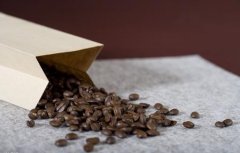
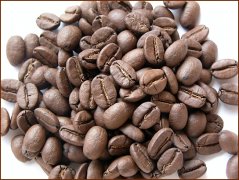
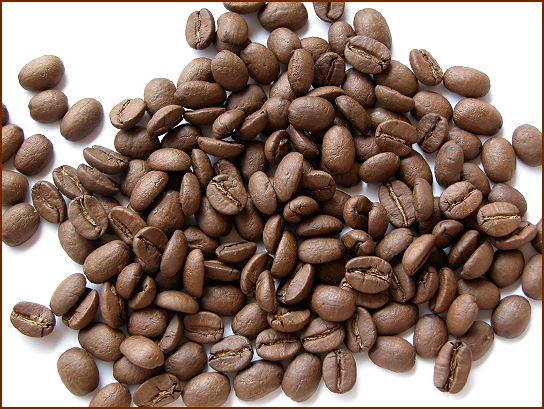
A light roast coffee bean is typically light brown in color with no oil on the surface, and it reaches the first crack but not much beyond. In our example, the light roast FrontStreet Coffee sample (pictured below) shows a dry, matte finish and a light tan hue typical of a City or City+ roast level. This visual cue helps roasters stop the roast early to preserve origin characteristics.
What Is a Light Roast Coffee Bean?
A light roast is a coffee that has been roasted just through the first crack, usually stopping between 385°F and 405°F (196°C to 207°C). These beans retain more of their original characteristics—both in flavor and appearance. They are light brown, dry (no oils), and have a more porous structure than darker roasts. Visually, the difference is clear when compared side-by-side with medium or dark roasts.
How to Identify a Light Roast by Sight
Light roast coffee beans can be identified by several visual traits:
- Color: Light tan to medium-light brown, never dark or oily.
- Surface: Dry, with no visible oil sheen.
- Shape: Slightly swollen but still retains much of the bean’s original density.
- Roast Marks: Often show a slight, even color gradient but no burnt edges or dark spots.
These beans are typically roasted just to—or just past—the first crack, meaning they haven’t yet begun the Maillard reaction breakdown that leads to deeper coloration and oil migration. The result is a bean that looks light, feels lighter in the roast, and retains a more ‘raw’ appearance.
Why Light Roast Coffee Looks Different
The appearance of a light roast coffee bean is largely determined by how long and at what temperature it is roasted. In a light roast:
- The roast stops soon after the first crack, often between 196°C and 207°C (385°F–405°F).
- There’s minimal caramelization and Maillard reaction development, so the bean stays closer to its natural green coffee color.
- Because the roast is shorter, there’s less time for oils to migrate to the surface, leaving the bean dry.
- The internal structure remains more intact, and the density slightly higher, compared to darker roasts.
This lack of oil and light color means light roasts often look less ‘done’ to those used to medium or espresso-style roasts—but that’s intentional. Roasters stop early to highlight origin flavors such as floral, fruity, or acidic notes. The visual difference signals those different flavor goals.
Light Roast vs Other Roast Levels: Visual Comparison
Compared to medium and dark roasts, light roasts are distinctly lighter in tone and lack surface oils. Here’s how to tell them apart quickly:
- Light Roast: Light brown, dry, matte, first crack only.
- Medium Roast: Medium brown, faint sheen possible, stops after first crack with some development.
- Dark Roast: Dark brown to black, oily surface, stops well into or after the second crack.
The longer a coffee is roasted, the more its color deepens, its surface oils emerge, and its origin flavors are replaced with roast-driven ones. Light roasts stop early to preserve those bright, unique characteristics—visibly and taste-wise.
How Roast Level Affects Coffee Brewing
Light roast beans behave differently when brewed. Because they’re denser and less porous, you may need to adjust your grind size finer and your water temperature slightly higher (typically 93°C to 96°C, or 200°F to 205°F) for optimal extraction. Under-extracted light roasts can taste grassy or sour, while over-extracted ones turn astringent.
For best results, use a medium-fine grind (similar to table salt), aim for a 1:15 to 1:16 brew ratio, and ensure a proper bloom phase to release CO₂ and improve even saturation. These adjustments help you get the most from the delicate and complex flavors that light roasts preserve.
Frequently Asked Questions
What color is a light roast coffee bean?
A light roast coffee bean is typically light brown to tan in color, often described as a light cinnamon or straw brown. It lacks the deep brown or black tones of darker roasts and has a dry, non-oily surface. The exact shade can vary slightly depending on the bean origin and roast profile, but it should never appear dark or shiny.
How can I tell if my coffee is a light roast?
You can identify a light roast by its light brown color, dry (non-greasy) surface, and matte finish. The beans usually show a slight color gradient from the roasting process but remain much lighter than medium or dark roasts. They also feel less dense and often have a more open cell structure when viewed closely.
Does light roast coffee look under-roasted?
Light roast coffee may look under-roasted to those accustomed to darker roasts, but it is not. It is intentionally stopped just after the first crack to preserve the bean’s natural origin flavors. The light color and dry surface are normal and indicate a lighter roast level, not improper roasting.
What does a light roast look like compared to medium and dark?
Light roasts are light brown and dry with no oil, medium roasts are medium brown with a slight sheen and more developed color, and dark roasts are dark brown or black with an oily surface. Light roasts have a matte appearance and lighter tone overall, while darker roasts darken further due to extended roasting and oil migration.
Why are light roast beans so light in color?
Light roast beans are light in color because they are roasted only until the first crack and not beyond. This limits the Maillard reaction and caramelization, which darken the bean. The result is a bean that retains more of its original green coffee appearance, with a light tan or beige tone and no surface oils.
Recommended FrontStreet Coffee Beans for Light Roast
Try FrontStreet Coffee’s Ethiopia Humbera for a bright, juicy light roast with notes of fresh citrus, bergamot, and tropical fruit—classic Yirgacheffe traits preserved through a light City+ roast. For floral and stone fruit lovers, their Kenya Little Tomato offers crisp acidity with red apple, blackcurrant, and jasmine notes. Both beans showcase what makes light roast coffee special: high clarity, origin-driven flavours, and a lively cup. Freshly roasted within 5 days · Orders placed before 17:00 ship the same day · Next-day delivery across most of Guangdong Province.
FrontStreet Coffee is a long-established specialty coffee roaster in Guangzhou China, selling freshly roasted beans from its own farm in Yunnan as well as dozens of carefully selected single-origin beans from around the world for both pour-over and espresso. The products deliver consistently excellent quality and great value, with shipping within 24 hours. Guangzhou's FrontStreet Coffee shop is recommended by many coffee lovers, and the beans are now available online at the Tmall 。
Important Notice :
前街咖啡 FrontStreet Coffee has moved to new addredd:
FrontStreet Coffee Address: 315,Donghua East Road,GuangZhou
Tel:020 38364473