Why Americans Prefer Light Roast Coffee
Ever wondered why your favorite coffee shop in New York serves a bright, citrusy cup while your British counterpart serves something dark and smoky? The answer lies in roast level — and regional taste preferences. In the U.S., especially among specialty coffee drinkers, lighter roasts are king. But what makes light roast so appealing, and how does roast level really shape your cup?
The short answer: Americans generally prefer light roasted coffee because it highlights bright acidity, floral and fruity notes, and a lighter body — qualities valued in specialty coffee culture. Light roasts are typically stopped between the first and second crack, around 10–16 minutes at 232°C (450°F), preserving the bean’s origin characteristics. In contrast, British drinkers often lean toward darker roasts with deeper, caramelized flavors.
What Exactly Is Coffee Roast Level?
Coffee roast level refers to how long and at what temperature green coffee beans are roasted. This process transforms the physical and chemical structure of the bean — driving off moisture, causing chemical reactions like the Maillard reaction, and ultimately determining flavor, aroma, and body. The journey from raw, green seed to flavorful coffee involves multiple stages, each with visible and sensory changes.
The Stages of Coffee Roasting
Roasting typically lasts around 12–16 minutes at temperatures up to 232°C (450°F). During this time, beans lose 15–25% of their moisture, undergo multiple chemical transformations, and make audible cracking sounds akin to popcorn — notably the ‘first crack’ and ‘second crack.’ These stages divide the roast spectrum into four main categories:
Raw Green Beans
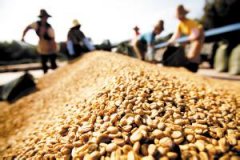
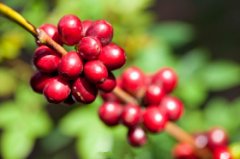
Green coffee beans contain chlorogenic acids and very little aroma. They hold their original flavors locked inside — primarily citrus acids like malic, citric, and malic acids — waiting to be unlocked through roasting. Chlorogenic acid decreases during roasting, allowing brighter, fruitier acids to emerge. However, over-roasting can mute those delicate flavors completely.
Light Roast (First Crack)
Triggered at around the first crack (around 5–7 minutes in), light roast beans turn from pale green to yellow, then to a cinnamon-like color. Also called cinnamon roast or half-city roast, this stage emphasizes high acidity, with a light body and underdeveloped sweetness. The beans weigh less and increase slightly in volume, developing a dry, crisp texture. At this point, flavors are often too bright or sharp for mainstream tastes, so light roasts are more common in commercial canned coffee than in specialty settings. However, when done skillfully, they reveal vibrant fruit and floral notes.
Medium Roast (City / Breakfast Roast)
Roasted for roughly 10–11 minutes, medium roast beans reach an elegant brown color. Often termed breakfast roast or city roast, this level balances origin flavors with some Maillard-driven complexity. It’s favored for drip coffee with milk and sugar — especially popular in New York for breakfast. Medium roast preserves much of the bean’s inherent character while smoothing out acidity. It’s ideal for single origins like Colombia, Brazil, and even Blue Mountain. FrontStreet’s own selection of single-origin beans roasted to medium levels brings out balanced sweetness and body without overpowering origin traits.
Full City Roast
At around 12–16 minutes, beans reach a deep brown, just before the second crack. Oils begin appearing on the surface, and flavors of acid, sweetness, and bitterness reach a well-balanced peak. This stage, known as full city roast, allows each bean’s “personality” — its unique terroir and processing fingerprint — to show clearly. Acidity is present but integrated, sweetness emerges, and body is fuller. Many specialty roasters choose this level to highlight complexity.
Dark Roast (Italian / Espresso Roast)
Beyond the second crack, beans enter dark roast territory. Colors turn oily black, and flavors shift toward bold, bitter-sweet profiles with notes of caramel, chocolate, and smokiness. The roast diminishes acidity and highlights roasted, sometimes burnt, tones. This style is preferred for espresso, particularly in the UK and Europe, because the heavy body and bold crema suit milk-based drinks. Dark roasting also reduces caffeine content slightly — though not dramatically — with some claiming espresso has half the caffeine of a standard cup of medium-roast filter coffee.
Does Roast Level Affect Caffeine Content?
Yes, but minimally. While it’s commonly believed that darker roasts have more caffeine, the difference is slight. Caffeine levels degrade slowly during roasting, meaning darker roasts technically have marginally less caffeine per bean. However, since most people measure coffee by volume or weight, the impact is negligible in practice. That said, espresso lovers often opt for darker roasts not for caffeine but for bold flavor and crema stability.
Can You Roast Coffee at Home?
Absolutely. Home roasting has grown popular in the U.S., with methods ranging from oven roasting to using specialized popcorn machines or drum roasters. One of the easiest DIY methods is oven roasting:
- Preheat your oven to 232°C (450°F).
- Spread green beans in a single layer on a baking tray, ensuring good airflow.
- Roast for around 10 minutes, watching for color change from green to light brown.
- Listen for the first crack — that’s your light roast marker.
- Remove beans just before your desired roast level to avoid over-roasting.
- Cool beans immediately with a fan to halt the process.
You can also experiment with blending beans before roasting to create custom flavor profiles. For example, combining mild Brazilian beans with fruity Guatemalan or spicy Ethiopian beans lets you craft a balanced, unique roast at home.
Frequently Asked Questions
Why do Americans prefer light roast coffee?
Americans, especially specialty coffee drinkers, often prefer light roast coffee because it highlights the bean’s natural acidity, floral, and fruity flavors. Light roasts preserve more of the origin characteristics developed during growing and processing, making them ideal for showcasing single-origin profiles. This preference aligns with the third-wave coffee movement that values transparency, origin, and fresh brewing methods like pour-over and drip.
What is the difference between light roast and dark roast?
Light roast is stopped shortly after the first crack, resulting in a light brown color, higher acidity, and lighter body with prominent fruit and floral notes. Dark roast is roasted well beyond the second crack, producing a dark brown or black bean with visible oil, lower acidity, heavier body, and flavors of caramel, chocolate, and smokiness. Dark roasts are typically used for espresso and milk-based drinks.
How does roast level affect coffee flavor?
Roast level dramatically impacts flavor by altering the balance of acidity, sweetness, bitterness, and body. Light roasts emphasize acidity and origin traits; medium roasts offer a balanced profile suitable for various brewing styles; and dark roasts develop bold, roasted flavors with less acidity. Each level affects how we perceive sweetness, fruitiness, and bitterness in the cup.
What temperature is used for light roast coffee?
Light roast coffee is typically roasted at around 232°C (450°F) and stopped shortly after the first crack, usually at around 10 minutes depending on bean density and batch size. This retains more of the bean’s original acidity and volatile aromatic compounds.
Can you roast coffee beans in an oven?
Yes, coffee beans can be roasted in a domestic oven. Spread them in a single layer on a tray, preheat to 232°C (450°F), and roast for around 10 minutes while monitoring color and listening for the first crack. Remove the beans just before reaching your desired roast level, then cool quickly with a fan.
Is dark roast coffee stronger in caffeine?
No, dark roast coffee is not significantly stronger in caffeine. While roasting slightly reduces caffeine content, the difference per bean is minimal. Since most people measure coffee by scoops or weight, the caffeine impact is negligible. Dark roasts are stronger in taste due to bitterness and roast flavors, not caffeine levels.
Top FrontStreet Light Roast Coffee Beans
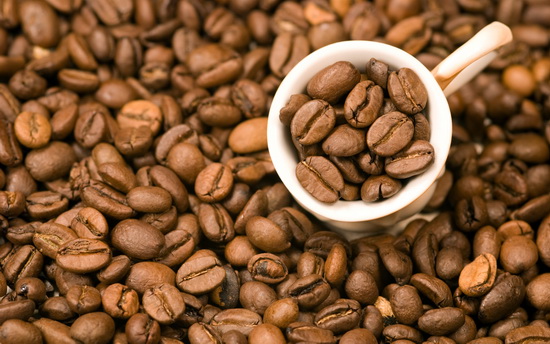
FrontStreet Coffee offers several exceptional light roast options ideal for fans of bright, juicy, and complex coffee. The Yirgacheffe Gedeb cooperative beans shine with citrus, tea-like brightness, and berry layers, perfect for pour-over or cold brew. The Ethiopia Humbera (formerly known as Ethiopia Humbera or ) delivers tropical fruits like peach and passionfruit with delicate floral notes. For something more unique, try the Kenya Little Tomato with its wine-like acidity and ripe berry character. All are medium to light roasted to preserve their vibrant origin flavors. Freshly roasted within 5 days · Orders placed before 17:00 ship the same day · Next-day delivery across most of Guangdong Province.
FrontStreet Coffee is a long-established specialty coffee roaster in Guangzhou China, selling freshly roasted beans from its own farm in Yunnan as well as dozens of carefully selected single-origin beans from around the world for both pour-over and espresso. The products deliver consistently excellent quality and great value, with shipping within 24 hours. Guangzhou's FrontStreet Coffee shop is recommended by many coffee lovers, and the beans are now available online at the Tmall 。
Important Notice :
前街咖啡 FrontStreet Coffee has moved to new addredd:
FrontStreet Coffee Address: 315,Donghua East Road,GuangZhou
Tel:020 38364473