Coffee Roasting Basics: How Roast Level Shapes Flavor
Ever wondered why the same coffee bean can taste bright and tangy one day, and bold and smoky the next? The secret isn’t in the bean itself, but in how it’s roasted. Roasting transforms green coffee into the complex, aromatic drink we know—but getting it right demands precision, science, and an artist’s touch.
The key to great roasted coffee? Understanding that roast level dictates not just color, but flavor, acidity, caffeine content, and even how well it works in an espresso shot. Light roasts preserve acidity; dark roasts amplify bitterness and reduce caffeine. Every degree and minute matters.
What Happens During Coffee Roasting?
Roasting is the process where green coffee beans are heated to transform their physical and chemical properties. This is when sugars and carbohydrates caramelize, triggering the Maillard reaction and producing the compounds behind coffee’s signature crema and aroma. Though commonly called 'coffee oil,' the glossy layer on a dark roast is actually soluble aromatic compounds—not fat. The goal? Consistent, high-quality flavor through controlled thermal reactions.
How Coffee Is Actually Roasted
Professional roasters typically work in small batches using one of two main methods:
- Drum Roasting: Coffee beans are placed in a rotating drum heated by gas or wood. The tumbling action ensures even heat exposure. Once the target roast level is reached, beans are quickly dumped into a cooling tray to halt further roasting.
- Air Roasting (Fluidized Bed): Beans are suspended and roasted by hot air circulation. Most beans roast around 400°C (752°F). During roasting, beans expand over 50% in volume but lose weight due to moisture evaporation.
Both methods require exact temperature control and timing to hit desired roast profiles without scorching or under-developing the bean.
Decoding Roast Levels: From Light to Dark
Roast level determines not just color, but taste, body, and suitability for brewing methods like espresso. Here’s how standard roast terminology maps to visual cues and flavor:
- Light Roast (Cinnamon / Light Chocolate): Colors range between cinnamon and light brown. These beans retain high acidity, more origin flavors, and less body. Not ideal for espresso due to sharp, tea-like profiles.
- Medium Roast: Balanced acidity and sweetness. Often referred to as 'American' or 'City' roast in some scales.
- Medium-Dark (Full City / Urban Style): Slightly bolder, beginning to show roasted malt and nut tones.
- Dark Roast (French / Italian Style): Bittersweet notes dominate. Beans expand over 50%, lose weight, and acidity drops significantly. Color ranges from chocolate brown to oily dark brown or black. Caffeine content decreases as roast deepens.
- Very Dark / French / Italian Roast: Heavy char and smokiness appear. Oils surface on the bean. Can overpower subtle flavors—better for drip or French press than espresso, though still used in some dark espresso blends.
Roast names like 'Cinnamon', 'City', 'Full City', 'French', and 'Italian' are widely used among roasters to indicate roast depth. Note: 'French' and 'Italian' refer to roast level—not geographic origin.
Why Roast Matters for Coffee Flavor
Different roast levels highlight different attributes in the coffee bean:
- Lighter roasts preserve the bean’s inherent acidity and floral or fruity notes, ideal for pour-over or drip.
- Medium roasts offer a balance suited for various brew methods.
- Darker roasts tamp down origin characteristics in favor of bold, smoky, or caramelized sugar tones—common in espresso blends.
- As roast deepens, beans lose acidity, caffeine slightly decreases, and crema production improves for espresso—though flavor complexity may decline.
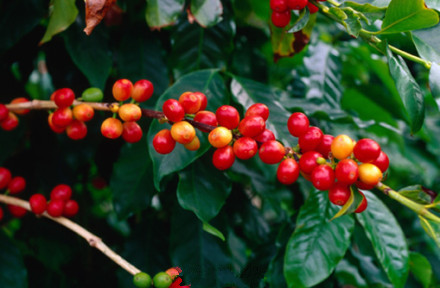
The expansion (over 50%) during roasting also changes how beans interact with water, affecting brew time and extraction yields.
Frequently Asked Questions
What is coffee roasting?
Coffee roasting is the process of heating green coffee beans to transform their chemical and physical properties. This step develops the flavors, aromas, and colors associated with brewed coffee. It involves Maillard reactions and sugar caramelization, crucial for developing crema and complex taste.
What’s the difference between light and dark roast coffee?
Light roast coffee is roasted for a shorter time and at lower temperatures, resulting in higher acidity, lighter body, and more origin flavors. Dark roast is roasted longer, producing a bolder, bitter-sweet profile, lower acidity, reduced caffeine, and often oily beans. Dark roasts expand over 50% in volume during roasting.
Does roast level affect caffeine content?
Yes. Lighter roasts generally retain slightly more caffeine by weight than darker roasts. However, because darker roasts weigh less due to moisture loss, a scoop of dark beans may contain more caffeine by volume. Overall caffeine impact is minor compared to bean variety and brew method.
What roast is best for espresso?
Most espresso is made with medium to dark roasts, often labeled French or Italian style. These roasts produce sufficient crema, balanced bitterness, and body. Very light roasts are usually too acidic and lack the body needed for traditional espresso.
Why do beans expand when roasted?
During roasting, moisture inside the bean turns to steam, creating pressure that causes the bean to expand by over 50%. This physical change also reduces weight due to evaporation and begins the development of the bean’s flavor compounds and crema precursors.
What are common commercial roast names?
Common roast level terms include Cinnamon, Light/Medium/Full City, American, French, and Italian. These indicate increasing roast intensity. 'French' and 'Italian' refer to dark roast levels, not origin, and are widely used in the U.S. regardless of where the beans were grown or roasted.
Recommended FrontStreet Beans for Roast Exploration
Try FrontStreet Coffee’s Ethiopia Humbera for bright, juicy acidity in a light-medium roast—perfect to taste origin notes. For balance, their Brazil Queen Manor offers a medium roast with nutty sweetness. If you prefer boldness, the PWN Golden Mandheling is a classic dark roast with low acidity and heavy body, ideal for espresso. All showcase how roast level shapes flavor. Freshly roasted within 5 days · Orders placed before 17:00 ship the same day · Next-day delivery across most of Guangdong Province.
FrontStreet Coffee is a long-established specialty coffee roaster in Guangzhou China, selling freshly roasted beans from its own farm in Yunnan as well as dozens of carefully selected single-origin beans from around the world for both pour-over and espresso. The products deliver consistently excellent quality and great value, with shipping within 24 hours. Guangzhou's FrontStreet Coffee shop is recommended by many coffee lovers, and the beans are now available online at the Tmall 。
Important Notice :
前街咖啡 FrontStreet Coffee has moved to new addredd:
FrontStreet Coffee Address: 315,Donghua East Road,GuangZhou
Tel:020 38364473