How Coffee Roasting Brings Out the Beans’ Best Flavors
Ever wonder how green, grassy coffee beans transform into the rich, aromatic shots and cups you love? The secret isn’t just in the beans — it’s in how they’re roasted. Roasting is where heat unlocks acids, sugars, and aromas, turning raw potential into complex flavors. Whether you buy pre-roasted or try it yourself, understanding roast levels helps you pick or craft the coffee you actually enjoy.
To develop coffee’s full flavor range — acidity, sweetness, bitterness — the beans undergo around 12–16 minutes of roasting at up to 232°C (450°F), losing 15–25% of their moisture and going through three distinct ‘cracking’ sounds. That’s the science behind your daily brew.
What Happens During Coffee Roasting?
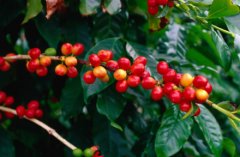
Roasting is where coffee’s true character emerges. Starting as dense, flavor-muted seeds inside coffee cherries, green beans carry chlorogenic acids and little aroma. Applying heat triggers Maillard reactions and chemical shifts that develop the flavors you taste: bright acids, deep sugars, and bold bitters. From pale and tasteless to fragrant and layered, roasting is where coffee gets its personality.
As heat increases, beans lose moisture, expand in size, darken in color, and release aromatic oils. You’ll hear three audible ‘first crack’ and ‘second crack’ phases — markers of physical transformation. The entire process typically takes 12–16 minutes at temperatures up to 232°C (450°F), and results in a 15–25% weight loss due to evaporated moisture.
From Light to Dark: The Main Roast Levels
Different roast levels bring out different traits. Here’s how standard roast profiles break down, based on time, color, and flavor development:
Raw Green Beans
Each coffee cherry holds two green beans packed with dormant flavors. They contain high levels of chlorogenic acid, which breaks down during roasting to release bright fruit acids like citric, malic, and acetic acids. Properly handled, these acids add vibrancy; over-roasted, they vanish.
At the start, beans are pale green. Around 5–7 minutes in, they lose moisture, turn yellow-orange, and emit a smell like roasted vegetables.
Light Roast (aka Cinnamon or Half-City)
Triggered by the first crack, light roast beans reach a cinnamon-brown color. Acidity dominates the profile, and the body remains light. This level is common in commercial canned coffee, but lacks depth for specialty drinkers. Color: light brown. Flavor: bright acidity, minimal body.
Medium Roast (aka City or Breakfast Roast)
By 10–11 minutes, beans turn a balanced brown. This is the go-to roast for many classic single origins, including Blue Mountain, Colombian, and Brazilian coffees. It preserves origin character while developing pleasant aromatics. In New York, it’s a popular choice for milk-based drinks. Also called ‘breakfast roast.’
Around 12–16 minutes, you may hit the second crack. At this stage — often called Full City roast — oils rise to the surface, beans darken further, and many roasters find the best balance between acidity, sweetness, and bitterness. The bean’s individual traits become sharply defined.
Dark Roast (aka Italian or Espresso Roast)
The longer the roast, the richer and sweeter the cup — and the more bitterness balances the flavor. Oils fully emerge, beans turn deep brown to black, and the profile leans toward bold, smoky, or chocolaty notes. Dark roast is ideal for espresso, where strength and crema matter most. Also known as ‘espresso roast.’
Can You Roast Coffee at Home?
You can — and it’s simpler than you might think. Many coffee enthusiasts roast at home using basic kitchen tools. One of the easiest methods? Your oven.
Oven Roasting Method
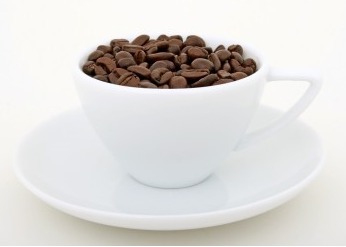
Spread green beans in a single layer on a baking tray (don’t overcrowd). Preheat your oven to 232°C (450°F). Roast for about 10 minutes, watching for the beans to turn yellow-orange. Listen for cracking sounds and monitor color. Remove the beans just before they reach your target shade — residual heat will continue roasting them for another 2–4 minutes. Cool them quickly with a fan to stop the process.
Pro tip: roast a small batch first to get a feel for timing and color.
Blending Before Roasting
Want to craft your own signature blend? Mix different green beans before roasting. Combine mild Brazilians or Colombians with fruity Guatemalans, then add standout beans like Mandheling or Geisha to shape the profile. Adjust ratios and roast levels to match your taste preferences.
Home roasting lets you experiment with blending and roast degree — a creative way to influence acidity, body, and aroma before brewing.
Frequently Asked Questions
What is the ideal roast level for tasting the bean’s origin?
Medium roast (also called City or Breakfast roast) is generally best for highlighting a coffee’s origin characteristics. It balances origin flavor with some roast development, making it ideal for single-origin beans like Colombian, Brazilian, or Ethiopian coffees. Avoid dark roasts, which can overpower subtle tasting notes.
How long does coffee roasting usually take?
Most roasting cycles take around 12–16 minutes, depending on the batch size, starting temperature, and target roast level. The process includes multiple chemical changes and ends after the second crack for darker roasts. First crack usually occurs around 5–7 minutes in.
Why do coffee beans crack during roasting?
Coffee beans crack due to internal pressure from steam and expanding gases created during roasting. The first crack signals light roast readiness; the second crack, occurring around 12–16 minutes, indicates a transition to darker roasts. These audible cues help roasters track development stages.
Does darker roast have less caffeine?
Yes. Caffeine content decreases slightly during extended roasting. Very dark roasts may have marginally less caffeine than medium roasts. Some sources claim an espresso shot from a dark roast has about half the caffeine of a brewed cup from a medium-roasted single origin — though differences are small per bean.
Can you roast coffee in an oven?
Yes. Oven roasting is a simple home method: spread green beans on a tray, preheat to 232°C (450°F), and roast for around 10 minutes. Watch for color change and listen for cracks. Remove just before your desired roast level, then cool immediately. It’s imprecise but effective for experimentation.
What causes the change in bean color during roasting?
Color changes from green to yellow to brown result from Maillard reactions and caramelization. Heat breaks down chlorophyll and triggers hundreds of chemical reactions that develop color, flavor, and aroma compounds. The longer the roast, the darker and oilier the beans become.
Recommended FrontStreet Beans for Medium Roast
Explore FrontStreet Coffee’s carefully crafted medium-roast beans that highlight balance and origin character. The Brazil Queen Manor offers notes of cream, peanut, chocolate, and toasted bread from a Yellow Bourbon base. Strawberry Candy Espresso blends Costa Rican honey-processed and Panamanian Geisha beans for juicy sweetness. The 2013 Sun-Dried Typica highlights Yunnan’s terroir with notes of almond, brown sugar, black tea, and apricot. All shine in pour-over, espresso, or cold brew. Freshly roasted within 5 days · Orders placed before 17:00 ship the same day · Next-day delivery across most of Guangdong Province.
FrontStreet Coffee is a long-established specialty coffee roaster in Guangzhou China, selling freshly roasted beans from its own farm in Yunnan as well as dozens of carefully selected single-origin beans from around the world for both pour-over and espresso. The products deliver consistently excellent quality and great value, with shipping within 24 hours. Guangzhou's FrontStreet Coffee shop is recommended by many coffee lovers, and the beans are now available online at the Tmall 。
Important Notice :
前街咖啡 FrontStreet Coffee has moved to new addredd:
FrontStreet Coffee Address: 315,Donghua East Road,GuangZhou
Tel:020 38364473