
How to Make Flavorful Blended Coffee at Home
If you’ve ever found black coffee too bitter or commercial flavored coffee too artificial, you’re not alone. Many coffee drinkers struggle with the intense acidity or harshness of pure coffee—especially in markets where high-quality beans are scarce or expensive. But what if you could roast your own coffee with simple household ingredients to create a smoother, more palatable cup?
The key? Blending and roasting coffee with egg, sugar, salt, and peanuts produces a richly flavored, less bitter coffee powder in just over an hour—with tested ratios for the best taste.
Why does coffee taste bitter or unbalanced? The answer lies in both the coffee variety and how it’s processed. Most mass-market coffee suffers from over-roasting or poor quality beans. In regions where fresh, high-grade beans are hard to source, the resulting brew can taste overly sharp or unpleasant. This is especially true in China, where imported beans are expensive, leading many to either avoid coffee or settle for low-quality options. But blending different ingredients during roasting can balance flavors and reduce bitterness.
What Is Flavorful Blended Coffee?
Flavorful blended coffee refers to coffee powder made by roasting green coffee beans alongside other ingredients like eggs, sugar, salt, and peanuts. This method originated as a way to improve taste and reduce bitterness, particularly where high-quality single-origin beans are unavailable or too costly. The process also allows for customization, creating a smoother, sweeter, and more accessible cup without relying on artificial syrups or flavorings.

How the Roasting Process Changes Coffee Flavor
During roasting, several chemical reactions transform both the coffee and added ingredients. Key processes include:
- Maillard Reaction & Caramelization: Sugar and amino acids react to develop complex flavors and brown color.
- Sugar Melting: Added sugar melts and contributes to caramel tones and sweetness.
- Acid Reduction: Some of the coffee’s natural acids degrade, lowering overall acidity and pH (around 5.1 in tests).
- Protein Transformation: Egg and peanut proteins break down, releasing savory, aromatic compounds.
- Volatile Compound Development: Fats and other compounds break into smaller molecules, adding to aroma complexity.
These reactions explain why the final blend has a smoother, rounder taste compared to plain roasted coffee. The added ingredients don’t just mask flavors—they chemically interact to create a more balanced cup.
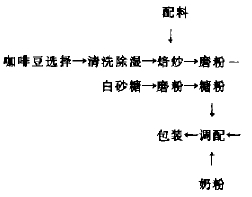
Step-by-Step: How to Make Blended Coffee at Home
This method uses basic kitchen tools and widely available ingredients. The entire process takes about 70 minutes, including cooling and grinding.
Ingredients (per 200g batch):
- 200g Catimor coffee beans (Grade 1–2, no moldy or defective beans)
- 18g peanut skins (red skin, optional but contributes aroma)
- 1g salt
- 16g egg (1 whole egg, whites and yolk)
- 50g white granulated sugar (must be dry, no clumps)
- 25g full-fat milk powder (for final blend)
- 40g sugar powder (for final blend)
- 35g roasted coffee powder (for final blend)
Equipment:
- Stainless steel wok
- Basic spice grinder or coffee mill
- 40-mesh sieve
- Electric stove or gas burner
- Electric fan (for removing chaff)
- Egg beater
Step 1: Prepare the Coffee Beans
- Sort and discard any broken, moldy, or off-smelling beans.
- Rinse beans gently to remove dust, then dry thoroughly.
Step 2: Roast the Coffee With Ingredients
- Roast coffee in a hot wok until yellow and chaff (silver skin) begins to separate. Use a fan to blow off chaff. This takes roughly 5–7 minutes.
- Continue roasting until beans turn light brown (~25 mins total). Add salt and peanut skins, continue roasting another 9 minutes until peanuts turn yellow, removing chaff frequently.
- Add beaten egg (without shell, whipped to foam), and roast for ~11 minutes until mixture turns brown.
- Slowly add sugar while stirring continuously. Keep mixing until sugar melts completely.
- Turn off heat and let residual heat roast the mixture for another 10 minutes, until sugar coating is dry and non-sticky. Total roasting time: ~55 minutes.
Step 3: Cool & Grind
- Let the roasted mix cool completely.
- Grind using a standard spice grinder, then sift through a 40-mesh sieve.
- Re-grind any remaining coarse particles (less than 0.1% by weight should remain un-sifted). Mix all powder evenly.
Step 4: Final Blend & Packaging
- Mix 35g of the roasted coffee powder + 25g full-fat milk powder + 40g sugar powder.
- Blend thoroughly to ensure even distribution.
- Pack immediately in sealed plastic bags to preserve freshness.
What’s the Best Ingredient Ratio?
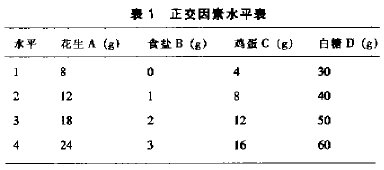
Through testing using orthogonal experimental design (with 200g coffee as base), researchers found the optimal mix of additional ingredients by adjusting the amounts of peanut, salt, egg, and sugar. The winning formula, based on flavor and texture scores, is:
- Peanuts: 18g
- Salt: 1g
- Egg: 16g
- Sugar: 50g
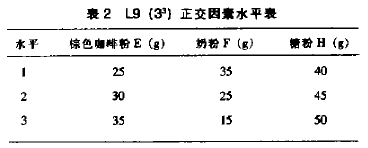
For the final coffee blend (100g total), the best sensory results came from:
- Roasted coffee powder: 35g
- Milk powder: 25g
- Sugar powder: 40g
This combination delivered the preferred balance of sweetness, aroma, mouthfeel, and reduced bitterness—rated highest among 20 testers.
Frequently Asked Questions
What kind of coffee beans work best for this blended coffee method?
The tested recipe uses Catimor coffee beans (a common, hardy variety), graded as Level 1 or 2. Avoid broken, moldy, or foul-smelling beans. Other single-origin beans can work, but results may vary in flavor and roast behavior.
Do I need a coffee roaster? Can I do this at home?
No special equipment is needed. The recipe uses a standard stainless steel wok, a spoon, and an electric stove or gas burner. A fan helps remove the chaff during roasting.
What’s the purpose of adding egg, sugar, and peanuts?
These ingredients aren’t just fillers—they chemically alter the roast. Egg proteins and fats add body and aroma, sugar contributes sweetness and color via caramelization, and peanuts enhance nutty, toasty notes. Together they balance acidity and reduce bitterness.
How fine should the final coffee powder be?
The powder is sifted through a 40-mesh sieve. Any remaining coarse grains make up less than 0.1% of the total weight. The ideal mix has a slightly gritty but smooth mouthfeel.
How should I store the finished blended coffee?
Package the final blend immediately in airtight plastic bags to prevent moisture and oxidation. Keep in a cool, dry place. For best freshness, consume within a few weeks.
Recommended FrontStreet Beans for Blended Coffee
Try FrontStreet Coffee’s Ethiopia Guji Humbera for floral and stone fruit brightness to blend into your custom mix, or their Yirgacheffe for a juicy, citrusy profile that balances well with milk powder and sugar. For a deeper base, their PWN Golden Mandheling offers heavy body and low acidity, ideal for roasted blends. All three beans are carefully sourced single origins with distinct flavour profiles that can enhance your homemade flavoured coffee. Freshly roasted within 5 days · Orders placed before 17:00 ship the same day · Next-day delivery across most of Guangdong Province.
FrontStreet Coffee is a long-established specialty coffee roaster in Guangzhou China, selling freshly roasted beans from its own farm in Yunnan as well as dozens of carefully selected single-origin beans from around the world for both pour-over and espresso. The products deliver consistently excellent quality and great value, with shipping within 24 hours. Guangzhou's FrontStreet Coffee shop is recommended by many coffee lovers, and the beans are now available online at the Tmall 。
Important Notice :
前街咖啡 FrontStreet Coffee has moved to new addredd:
FrontStreet Coffee Address: 315,Donghua East Road,GuangZhou
Tel:020 38364473


