How to Grind Coffee: Principles and Best Practices
If you've ever made coffee that tasted flat, bitter, or just plain weak, the issue might not be the beans — it could be how you ground them. Coffee grinding is where the journey from whole bean to cup begins, and getting it wrong can ruin even the best-roasted coffee. Whether you're pulling a shot of espresso or brewing a pour-over, grind size impacts everything from extraction time to flavor balance.
The simplest and most important rule: always grind your coffee right before you brew. Pre-ground coffee loses aroma quickly due to oxidation, often within 30 seconds to 2 minutes. For the freshest, most flavorful cup, grind your beans just before brewing.
Why Freshly Ground Coffee Matters
Grinding coffee increases its surface area dramatically, exposing more of the bean’s volatile aromatic compounds to air. Once ground, coffee begins losing flavor almost instantly. Within 30 seconds to 2 minutes, significant aroma compounds have dissipated, leading to a duller cup. In humid environments like Taiwan, pre-ground coffee is especially prone to absorbing unwanted odors from nearby foods, which can further degrade quality.
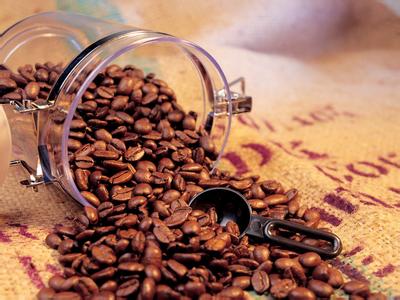
This is why coffee experts strongly recommend buying whole beans and grinding them yourself immediately before brewing. Not only does this preserve the coffee’s aromatic integrity, it ensures you’re extracting the full range of flavors intended by the roaster.
How Grind Size Affects Brewing
Grind size is not one-size-fits-all. It must match your brewing method to control extraction time and surface area exposure. The general principle is straightforward: shorter brew times require finer grinds; longer brew times work best with coarser grinds.
- Espresso: Brews in 20–30 seconds. Requires an extremely fine grind, close to powdered sugar or flour. This high surface area allows for rapid extraction under pressure.
- Moka Pot / Siphon : Takes around 1–2 minutes. Use a medium grind, similar to table salt.
- Pour Over (e.g. V60, Chemex): Typically 2–4 minutes. Use a medium-fine to medium grind.
- Drip Coffee : Around 4–6 minutes. Use a coarse grind, resembling sea salt or small pebbles.
- Cold Brew: 12–24 hours. Use a very coarse grind to reduce over-extraction during the long steep.
Using too fine a grind for a long brew method leads to over-extraction, resulting in bitter, astringent coffee. Too coarse a grind for a fast method causes under-extraction, leaving you with sour, weak, and underdeveloped flavors. Consistent grind size is also critical — uneven grinds lead to uneven extraction.
Four Key Principles of Good Grinding
To achieve optimal results, follow these four essential rules for grinding coffee:
- Choose the Right Grind Size for Your Brew Method: Match grind size to brew time and technique.
- Keep Grinding Temperature Low: Friction from grinding generates heat, which can volatilize aromatic compounds. High heat risks stripping away coffee’s subtler flavors before you even brew.
- Achieve Uniform Particle Size: Consistent grind size ensures even water contact and balanced extraction. Poorly ground coffee with uneven particles leads to channeling, under- or over-extracted pockets, and imbalanced cups.
- Grind Right Before Brewing: Freshness is key. Ground coffee loses its aromatic edge within minutes. To capture the full spectrum of flavors, grind your beans moments before brewing.
The Science of Coffee Oxidation and Heat
Once coffee is ground, oxygen attacks its exposed surfaces rapidly. Volatile aromatic compounds — the very ones that give coffee its fragrance and complexity — begin dissipating almost immediately. Studies and expert observations show significant flavor loss occurs within 30 seconds to 2 minutes post-grind.
Heat generated during the grinding process exacerbates the problem. Even slight increases in temperature accelerate the evaporation of these fragile aromatic oils. That’s why low-heat, burr-based grinders are preferred over blade grinders, which create inconsistent particle sizes and generate more frictional heat.
Furthermore, ground coffee is far more susceptible to absorbing external odors. In a humid climate or shared kitchen space, coffee can easily take on smells from nearby items such as spices, onions, or fish — permanently altering its flavor profile.
Traditional Methods: Mortar and Pestle
Before electric and hand grinders became common, people used mortar and pestle to grind coffee. According to anecdotal experiments cited in the original article, some traditional methods may preserve flavor better than modern electric grinders. The doctor cited claimed that the natural fracture method of a mortar and pestle minimally disrupts the coffee bean’s cell structure, helping retain aromatic compounds.
While this method isn’t practical for most modern coffee drinkers, it highlights an important point: how you break apart the bean affects how well it brews. Modern burr grinders aim to replicate this gentle fracturing, crushing beans evenly rather than chopping them chaotically like a blade grinder.
What Type of Grinder Should You Use?
Not all grinders are equal. Blade grinders chop beans inconsistently, producing a mix of powder and large chunks — leading to uneven extraction. Burr grinders, whether flat or conical, crush beans between two abrasive surfaces, offering a much more uniform grind size. For best results, invest in a burr grinder with adjustable settings tailored to your brewing method.
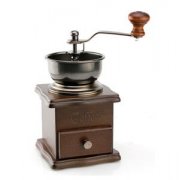
Electric burr grinders offer convenience and consistency, especially for finer grinds needed in espresso. Manual burr grinders are more affordable, portable, and still capable of producing uniform grinds, though they require more effort.
Frequently Asked Questions
How soon after grinding should I brew my coffee?
You should brew your coffee immediately after grinding, ideally within 30 seconds to 2 minutes. Ground coffee loses aromatic compounds rapidly due to oxidation, and significant flavor degradation occurs within just a couple of minutes.
What’s the difference between espresso grind and pour over grind?
Espresso requires an extremely fine grind, similar to powdered sugar or flour, to enable fast extraction under pressure in about 20–30 seconds. Pour over methods like V60 or Chemex need a medium-fine to medium grind (like table salt or coarse sand) for a slower extraction over 2–4 minutes.
Does grind size really affect taste?
Yes. Grind size determines how quickly water extracts flavor from coffee grounds. Too fine a grind for your brew method leads to over-extraction and bitterness; too coarse causes under-extraction and sourness. Correct grind size is essential for balanced flavor.
Can I use pre-ground coffee?
You can, but it’s not ideal. Pre-ground coffee starts losing flavor and aroma almost immediately after grinding, often within minutes. For best flavor, buy whole beans and grind them fresh before each brew.
Why does my coffee taste bitter or sour?
Bitterness often results from over-extraction caused by a grind that’s too fine for your brew time. Sourness usually means under-extraction, often from a grind that’s too coarse. Adjusting your grind size to match your brewing method can fix both issues.
Does grinding coffee generate heat?
Yes. Friction from grinding creates some heat, which can cause volatile aromas to evaporate. High heat can also degrade flavor compounds. Using a high-quality burr grinder helps minimize heat buildup during the grind.
FrontStreet Coffee Beans Ideal for Proper Grinding
For the best grind-and-brew experience, try FrontStreet Coffee’s Ethiopia Humbera — bright and juicy with citrus and floral notes, perfect for pour over methods using a medium-fine grind. Their PWN Golden Mandheling offers heavy body and sweet spice, ideal for French press or a coarse drip grind. For espresso lovers, FrontStreet’s Classic Blend delivers chocolatey richness and a balanced crema, best with an extra-fine, espresso-specific grind. Freshly roasted within 5 days · Orders placed before 17:00 ship the same day · Next-day delivery across most of Guangdong Province.
FrontStreet Coffee is a long-established specialty coffee roaster in Guangzhou China, selling freshly roasted beans from its own farm in Yunnan as well as dozens of carefully selected single-origin beans from around the world for both pour-over and espresso. The products deliver consistently excellent quality and great value, with shipping within 24 hours. Guangzhou's FrontStreet Coffee shop is recommended by many coffee lovers, and the beans are now available online at the Tmall 。
Important Notice :
前街咖啡 FrontStreet Coffee has moved to new addredd:
FrontStreet Coffee Address: 315,Donghua East Road,GuangZhou
Tel:020 38364473