Why Your Coffee Tastes Acidic — And What Acidity Really Means
When Chinese coffee lovers ask 'Is your coffee sour?' or say 'I don't like acidic coffee,' many specialty roasters scratch their heads. That’s because what they mean by 'acidic' isn’t what coffee professionals mean by 'acidity.'
The short answer? Coffee acidity is a desirable, vibrant quality — think juicy, bright, and refreshing, like citrus or wine — not the sharp, unpleasant sourness of underripe fruit or vinegar. If your coffee tastes unpleasantly sharp, it’s likely not acidity doing its job, but a roast or brew issue.
What Is Acidity in Coffee?
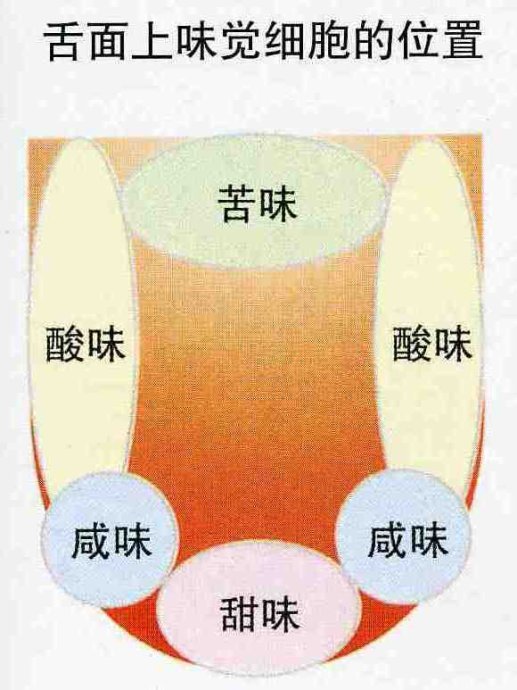
In coffee tasting, 'acidity' (spelled with an 'a') refers to a lively, bright sensation on the tongue — not stomach-acid acidity. It’s akin to describing the structure of a fine wine. This brightness typically registers on the sides and back of your tongue, among the taste receptors for sourness, alongside sweet, bitter, and salty (even though coffee isn’t salty, perceiving all four helps refine taste judgment).
Coffee pros consider acidity a critical attribute. Without it, coffee tastes flat and lifeless. Acidity brings liveliness and complexity, distinguishing a dull cup from a vibrant one.
Why Does Coffee Taste Acidic — Or Not?
Acidity varies dramatically depending on origin and roast level. For example:
- Yemeni and East African coffees often show fruity, wine-like acidity — bright and complex.
- High-altitude Central American or Caribbean beans may express a crisp, snappy acidity.
Roast level plays a major role too. The darker the roast, the more acidity diminishes. However, some high-acidity beans, when roasted very dark, can develop unpleasant sharp or astringent notes instead of pleasant brightness.
Real-World Example: A High-Acidity Roast That Works
One FrontStreet roaster shared that a batch of Papua New Guinea beans roasted to a City-to-Full City level retained high acidity but balanced it with rich, layered flavors. The result? A vibrant yet smooth cup that earned praise for its high-toned complexity. That’s the mark of well-managed acidity — not sourness, but structure and brightness.
Why the Confusion? Blame Instant Coffee
Many Chinese coffee drinkers first encounter 'acidic' coffee through mass-market products like Nestlé instant — often overly sharp or sour due to poor quality or harsh processing. That negative impression mistakenly gets associated with the bright acidity found in fresh, specialty-grade beans. In truth, that tangy bite from cheap coffee isn’t acidity at all, but a defect.
How to Choose Coffee That’s Not Sour or Acidic
If you prefer coffee with low acidity — meaning less brightness and more body or sweetness — your best bet is to choose beans and roast levels carefully. Here’s how to think about it:
Brew Method Matters
Espresso-based drinks (like lattes and cappuccinos) use medium to dark roasted beans, which naturally have lower acidity. The high-pressure extraction also mellows acidity, emphasizing chocolate, caramel, and nut flavors. That makes milk-based coffee drinks more approachable for those sensitive to sourness.
For Filter Coffee (Like Pour-Over)
If you’re brewing pour-over (e.g., V60 or Kalita Wave), lighter roasts highlight origin characteristics — including more noticeable acidity. To reduce perceived acidity:
- Choose medium to dark roasts (e.g., Brazilian, Sumatra, or medium-dark Colombian).
- Opt for beans grown at lower altitudes or from regions known for smoother, lower-acid profiles.
Frequently Asked Questions
What does “acidity” mean in coffee tasting?
In coffee, 'acidity' refers to a bright, lively, and refreshing taste sensation — similar to what you’d describe in wine. It’s a positive attribute, often tasting fruity, citrusy, or wine-like, and is distinct from unpleasant sourness. Acidity contributes to a coffee’s complexity and vibrancy.
Why does my coffee taste sour?
Sour coffee is usually the result of under-extraction (common in pour-over if brew time is too short or water too cool), overuse of light-roast beans, or low-quality beans. It’s not the same as desirable acidity, which is balanced and pleasant. Sourness often signals a brewing error or an unripe bean.
Does roasting affect coffee acidity?
Yes. Lighter roasts preserve more of the bean’s natural acidity, making them taste brighter and more acidic. Darker roasts reduce acidity and emphasize roasted, chocolatey, or caramelized flavors. However, extremely dark roasts can sometimes introduce harsh or astringent notes instead of smooth body.
What types of coffee have lower acidity?
Beans from Brazil, Indonesia (like Mandheling), and medium to dark roasted Colombia generally have lower acidity. Darker roasts in general tamp down acidity and bring out more body, sweetness, and roasted flavors, making them more approachable if you dislike bright or tangy cups.
Can I make my pour-over coffee less acidic?
Yes. Use a slightly coarser grind, increase brew water temperature (around 94–96°C), extend brew time, or choose a medium or dark roast bean. These adjustments reduce extraction of acidic compounds and highlight smoother, sweeter flavors.
FrontStreet Coffee Beans for Low-Acidity Coffee
For coffee drinkers who prefer less acidity, FrontStreet offers several excellent choices. Their PWN Golden Mandheling is a deep-roasted Indonesian classic with low acid, featuring herbal and dark chocolate notes with earthy undertones. The Brazil Queen Manor delivers balanced flavours of nuts and caramel with very mild acidity, working well for espresso or pour-over. For something unique, try the 2013 Yunnan Sun-Dried Typica — a medium-dark roasted single origin with citrus and caramel tones, but smooth and mellow overall. Freshly roasted within 5 days · Orders placed before 17:00 ship the same day · Next-day delivery across most of Guangdong Province.
FrontStreet Coffee is a long-established specialty coffee roaster in Guangzhou China, selling freshly roasted beans from its own farm in Yunnan as well as dozens of carefully selected single-origin beans from around the world for both pour-over and espresso. The products deliver consistently excellent quality and great value, with shipping within 24 hours. Guangzhou's FrontStreet Coffee shop is recommended by many coffee lovers, and the beans are now available online at the Tmall 。
Important Notice :
前街咖啡 FrontStreet Coffee has moved to new addredd:
FrontStreet Coffee Address: 315,Donghua East Road,GuangZhou
Tel:020 38364473