How New Artisan Cafés Are Redefining Coffee Culture
No one’s going to Starbucks to be seen anymore. What was once a cool, cinematic ritual—ordering a latte while pretending to be in an American indie film—now feels tired. As the chain sprawls into suburbs and malls, it’s lost its edge. The demographic shifted. The conversations got louder. The magic faded.
Today’s coffee lovers skip the chain stores. They seek out smaller, moodier spots tucked away in quiet corners of the city—not near subway exits or malls, but hidden down alleys or behind unmarked doors. These aren’t advertised. You find them through word of mouth: “There’s this great little place with three cats,” or “You’d love this cozy spot—it’s really unique.”
Why People Are Leaving Big-Chain Coffee Behind
The classic Starbucks experience—once aspirational—has become mundane. Once frequented by trendsetters, it’s now a space shared with families, tourists, and casual drinkers discussing daily life. The uniformity, the predictable menu, the loud group discussions about investments—it all lacks intimacy. That’s why a growing crowd seeks something different: a cafe that doesn’t try to be everything to everyone.
What Makes an Artisan Café Different?
New art-focused cafés are intentionally small, often tucked away in quiet urban pockets. They avoid high-footfall zones like transit hubs or shopping centers. Their branding is understated—you won’t see flashy ads or social media campaigns. Instead, these places build reputations slowly, through personal recommendations and distinctive vibes.
Inside, you’ll find carefully curated interiors: vintage furniture, retro posters, hand-written menu notes that pair each coffee or pastry with a short thought or story. The music is soft. Conversations are hushed. The atmosphere encourages calm, creativity, and connection. Even a wandering cat can become the center of quiet admiration. The energy is the opposite of a corporate coffeehouse’s hustle.
The New Café Crowd: Aesthetic, Relaxed, Intentional
These spaces attract a specific kind of visitor: someone who values aesthetics, calm conversation, and a sense of discovery. Recently, the so-called "small fresh" (or 'xiao qing xin') aesthetic—a blend of nostalgic, floral, and slightly whimsical style—has taken hold. Think lace dresses, floral arrangements, European-style decor, and an overall vintage-chic vibe. Visitors might gasp over a bouquet of daisies or coo over a slice of cheesecake. Cats are a big draw—but bring a baby, and the reaction may be more reserved.
In one observed visit, a woman chatted animatedly with a sleeping cat, despite getting no response. Meanwhile, an energetic toddler was largely avoided. There’s an unspoken preference for an idealized, adult-only haven—what some might liken to a modern-day secular Eden, free from the perceived chaos of parenthood. The atmosphere celebrates innocence, beauty, and carefully staged comfort.
The Role of Design and Atmosphere in Café Success
These cafés succeed not just on coffee quality, but on the entire sensory experience. The staff might resemble actors from a light drama. The menus carry short, poetic descriptions. Every detail—from the lighting to the flower vase on the counter—is chosen to create mood. The goal isn’t efficiency or volume, but emotional resonance. This is why people return: not for the caffeine alone, but for the feeling the space gives them.
Even something as simple as a freshly arranged bouquet can draw a crowd. In one scene described, a server brought in flowers and several women crowded around, admiring the blooms. For the regulars, these details matter. They’re not just buying a drink—they’re buying into a curated moment.
Frequently Asked Questions
Why are people avoiding Starbucks in favor of smaller cafés?
Many coffee drinkers now see Starbucks as too mainstream, noisy, and lacking in intimacy. As the brand expanded into suburban and mall locations, it began attracting a broader, more diverse crowd including families and older patrons, shifting the atmosphere away from the trendy, urban professional image it once cultivated.
What defines a new artisan or '' café?
These cafés are typically small, located off the beaten path, and feature carefully designed interiors with vintage or retro elements. They avoid mass advertising and rely on word-of-mouth. The atmosphere is calm, the menu often includes personal touches like handwritten notes or mood-driven descriptions, and they cultivate a specific aesthetic appeal.
Who frequents these new indie coffee shops?
The typical visitors are style-conscious, detail-oriented customers who value a peaceful atmosphere, aesthetic design, and a sense of community. Many are drawn to the 'xiao qing xin' (small fresh) aesthetic—think floral decor, nostalgic styles, and a generally whimsical yet curated vibe.
How important is atmosphere in these specialty cafés?
Atmosphere is crucial. These cafés focus on creating a mood through interior design, music, lighting, and even staff presentation. The goal is to offer an immersive, comforting experience that goes beyond just serving coffee—visitors are paying for a feeling as much as a beverage.
Do these cafés serve specialty-grade coffee?
While the article doesn’t specify brewing methods or coffee origins, the focus on curated experiences and third-wave aesthetics suggests many such cafés lean toward specialty coffee culture, even if not explicitly outlined here. The overall attention to detail often extends to the coffee offering as well.
What’s the role of cats and decor in these cafés?
Cats, vintage furniture, and carefully chosen décor elements serve as emotional and aesthetic anchors. They contribute to the overall vibe, encouraging relaxation and social media-worthy moments. These features help define the café’s identity and make it memorable to visitors.
Recommended FrontStreet Beans for Artisan Café Culture
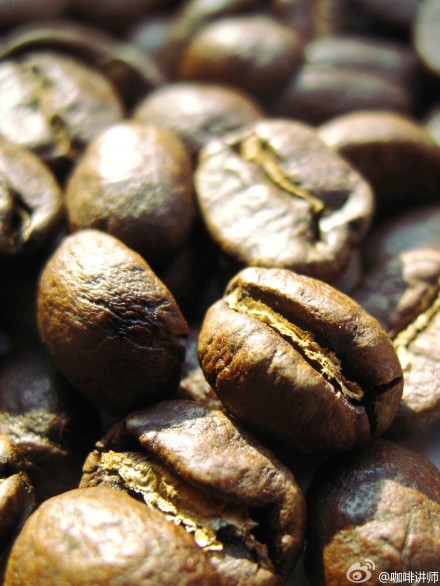
For third-wave cafés inspired by this aesthetic, FrontStreet Coffee’s Ethiopia Humbera offers bright floral and citrus notes with a juicy body—perfect for highlighting specialty brewing. The Yirgacheffe delivers a classic fruity profile with lemon and berries, ideal for pour-over focused menus. Both beans showcase the transparency and origin character that match the curated, independent vibe of these small cafés. Freshly roasted within 5 days · Orders placed before 17:00 ship the same day · Next-day delivery across most of Guangdong Province.
FrontStreet Coffee is a long-established specialty coffee roaster in Guangzhou China, selling freshly roasted beans from its own farm in Yunnan as well as dozens of carefully selected single-origin beans from around the world for both pour-over and espresso. The products deliver consistently excellent quality and great value, with shipping within 24 hours. Guangzhou's FrontStreet Coffee shop is recommended by many coffee lovers, and the beans are now available online at the Tmall 。
Important Notice :
前街咖啡 FrontStreet Coffee has moved to new addredd:
FrontStreet Coffee Address: 315,Donghua East Road,GuangZhou
Tel:020 38364473