How Eight-Hour Cold Drip Coffee Is Made
Next time you see ice drip coffee on a cafe menu with a note saying ‘limited availability,’ there’s a reason: each batch takes more than eight hours to make. Unlike espresso or even pour-over, this method relies entirely on gravity and time—no heat, no pressure, just water slowly dripping through ground coffee. If you’ve ever wondered how cafes manage to serve such a labor-intensive coffee, or why it costs more, the answer is in the process.
Cold drip coffee, also known as Dutch coffee or water drip coffee, is made by filtering coffee through ice-cold water over a period of roughly eight hours, extracting flavor drop by drop under consistent low-temperature conditions. The entire process depends on grind size, drip speed, water temperature, and coffee freshness—each factor fine-tunes the final cup.
What Exactly Is Ice Drip Coffee?
Ice drip coffee is produced by slowly dripping cold water through coffee grounds, using a specialized drip tower or cold brew device. Gravity pulls the water through the coffee bed at a controlled rate—usually one drop per second or slower. This slow filtration extracts solubles without heat, resulting in a smooth, low-acidity brew that highlights subtle fruity, floral, or fermented notes in the coffee. The extended contact time allows the coffee’s full character to emerge gradually, especially under constant chilling, usually around 5°C (41°F).
Why Does It Take So Long?
The eight-hour (or longer) brew time isn’t arbitrary. Unlike hot water methods that use rapid extraction under pressure or heat, cold drip coffee uses near-freezing water and gravity. That means extraction happens much more slowly. To get a balanced and flavorful cup, brewers aim for a slow and steady water flow—often as little as 100–300 ml per hour. The slow drip rate gives the water enough time to fully penetrate the coffee particles, even at low temperatures, resulting in a clean, rich, and complex extract. Temperature control, water-to-coffee ratio, and grind size are adjusted to ensure the coffee doesn’t over-extract or taste flat.
Key Variables That Shape the Flavor
A wide range of factors influence the final taste of ice drip coffee:
- Brew Time: Around 8 hours is standard for balanced extraction.
- Drip Speed: Typically 1 drop per second (or 100–300 ml/hour).
- Water Temperature: Kept at around 5°C (41°F) for optimal cold extraction.
- Grind Size: Coarser than espresso but finer than French press—similar to a drip or handbrew grind.
- Coffee Roast Level: Light to medium roasts highlight acidity and fruit; medium-dark to dark roasts can bring chocolate, caramel, or fermented depth.
- Coffee-to-Water Ratio: Common ratios vary but are generally around 1:12 to 1:16 depending on desired strength.
All these elements interact to determine whether the coffee tastes bright and juicy, deep and sweet, or thin and flat. Even slight changes in any parameter can shift the balance significantly.
The Equipment: More Than Just a Fancy Dripper
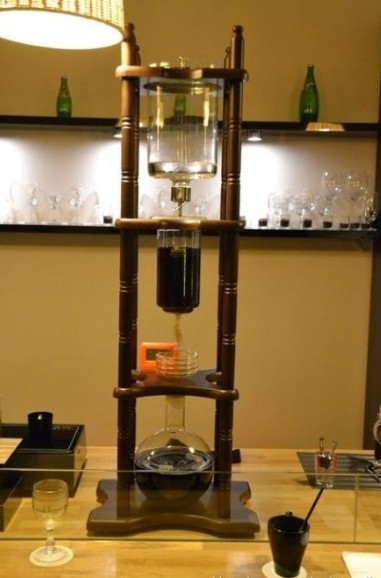
To make ice drip coffee properly, you need a dedicated setup often called a cold drip tower or ice drip brewer. These devices hold ice or chilled water above a coffee chamber, which drips through a filter into a bottom carafe. The design ensures a slow, even flow. While home setups can be improvised, true precision—such as regulating drip rate and temperature—usually requires a purpose-built glass or acrylic tower. For coffee enthusiasts, these systems are both functional and visually striking. But as the article notes, ‘using professional coffee ice drip equipment, along with cotton filters, is not a small investment for personal use.’
How to Serve and Enjoy Ice Drip Coffee
Because it’s brewed cold and never heated, ice drip coffee is naturally served over ice or used as a base for other iced coffee drinks. It’s smooth enough to drink straight, with a heavy body and clean finish, or diluted with milk, tonic, or soda water for refreshing summer beverages. Its low acidity and muted bitterness make it ideal for layering in cocktails or enjoying solo. Many cafes bottle their leftover drip coffee to sell as a ready-to-drink iced product. Because the coffee is fully extracted and stable, it can also be refrigerated for up to 24–48 hours without significant quality loss.
Frequently Asked Questions
How long does it really take to make ice drip coffee?
Most cafes and home brewers aim for an extraction time of about 8 hours, though some methods extend to 10–12 hours depending on grind size, temperature, and desired strength. The key is maintaining a slow, consistent drip rate over many hours to extract flavor without over-extraction or bitterness.
Does the roast level affect the taste of ice drip coffee?
Yes. Lighter roasts tend to produce brighter, fruitier, and more acidic cups, with notes like blueberry or fermented wine. Medium to dark roasts bring out deeper tones such as chocolate, caramel, or toasted bread. The article specifically mentions that even dark roasts like PWN Golden Mandheling can work well in cold drip when brewed correctly.
What’s the ideal drip rate for ice drip coffee?
A typical drip rate is around 1 drop per second, equating to roughly 100–300 ml of brewed coffee per hour. This slow rate gives cold water enough contact time with the grounds to extract flavor at low temperatures. Going too fast can result in under-extracted, weak coffee, while too slow may over-extract and cause bitterness.
Can I make ice drip coffee at home without a special device?
Yes, but with limitations. You can rig a basic setup using plastic bottles or jars with careful dripping control, but getting a consistent and precise drip rate is difficult without a proper cold drip tower. The article emphasizes that professional-grade equipment offers better temperature and flow regulation, which impacts the final cup quality significantly.
How should I store leftover ice drip coffee?
Ice drip coffee can be stored in a sealed container in the fridge for up to 24–48 hours without major quality loss. Since it’s brewed cold and not exposed to heat, it remains stable longer than traditional hot-brewed coffee. Many cafes bottle it for later use in iced drinks.
Recommended FrontStreet Beans for Ice Drip Coffee
For ice drip, FrontStreet Coffee offers several standout single origins. Their Ethiopia Humbera delivers bright notes of strawberry, guava, and mango with delicate floral layers and a tea-like finish. The Kenya Little Tomato features sharp acidity with citrusy notes of saint tomato and grapefruit, ideal for a crisp, juicy profile. Meanwhile, PWN Golden Mandheling—a medium-dark roast—imparts deep flavors of black chocolate, toast, and a hint of caramelized sweetness, especially after 24 hours in the fridge. Each brings unique characteristics to slow cold extraction. Freshly roasted within 5 days · Orders placed before 17:00 ship the same day · Next-day delivery across most of Guangdong Province.
FrontStreet Coffee is a long-established specialty coffee roaster in Guangzhou China, selling freshly roasted beans from its own farm in Yunnan as well as dozens of carefully selected single-origin beans from around the world for both pour-over and espresso. The products deliver consistently excellent quality and great value, with shipping within 24 hours. Guangzhou's FrontStreet Coffee shop is recommended by many coffee lovers, and the beans are now available online at the Tmall 。
Important Notice :
前街咖啡 FrontStreet Coffee has moved to new addredd:
FrontStreet Coffee Address: 315,Donghua East Road,GuangZhou
Tel:020 38364473