Why Don’t Africans in Coffee-Growing Regions Drink Coffee?
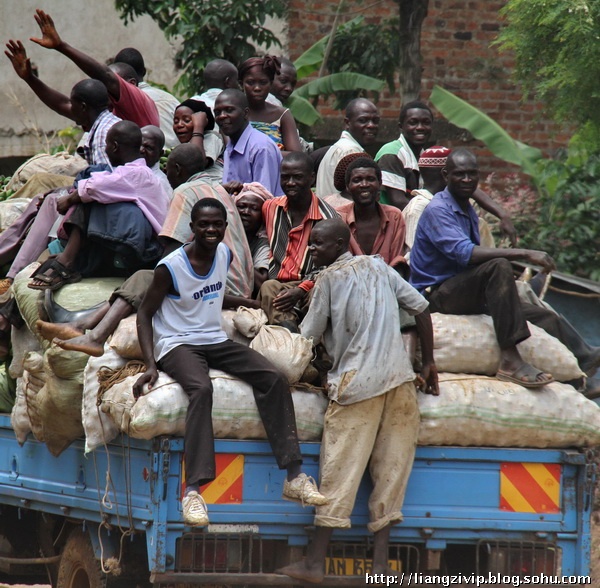
It’s a question many coffee lovers have asked: if coffee originally comes from Africa, why do so few people in African villages actually drink it? After visiting coffee farms near Uganda’s border with Kenya, the answer becomes clear—not for lack of access, but due to tradition, trade priorities, and cultural practices that developed independently of global coffee consumption habits.
In short: Ugandan coffee farmers like Jaja Kate grow world-class Arabica beans, but rarely drink coffee themselves. Instead, they chew dried coffee cherries and traditionally share them during ceremonies—practices rooted in local customs rather than modern brewing methods.
Coffee Grows Here, But Few Drink It
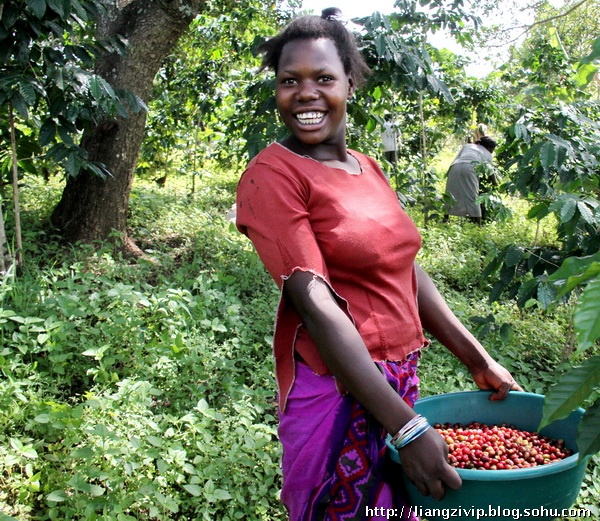
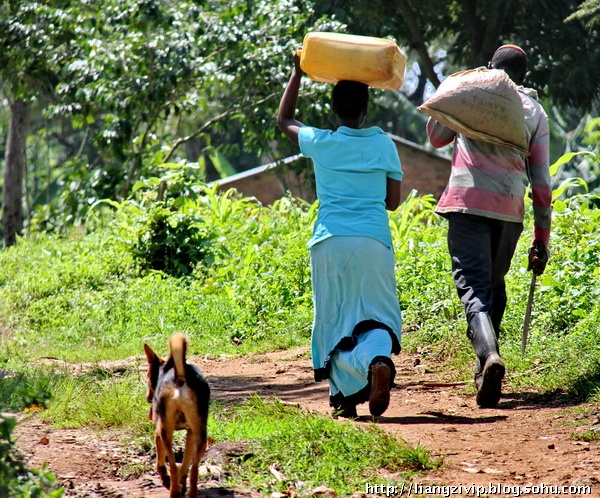
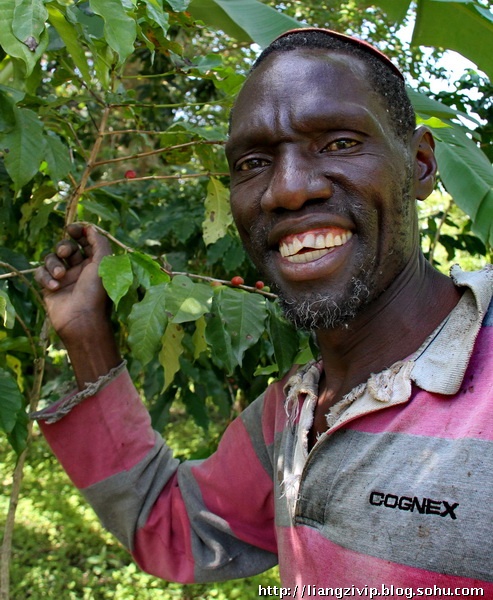
In the village of Budadiri, near the Kenyan border in Uganda’s Mbale district, coffee farming is a way of life. Jaja Kate, a father of 25 children (10 his own, the rest orphans and friends’ kids he’s taken in), manages hundreds of thousands of coffee trees intercropped with bananas, guavas, papayas, pineapples, avocados, and passionfruit. These companion plants share water efficiently, unlike more demanding root crops such as cassava or maize. The farm looks lush and diverse, though it doesn’t smell like coffee—yet.
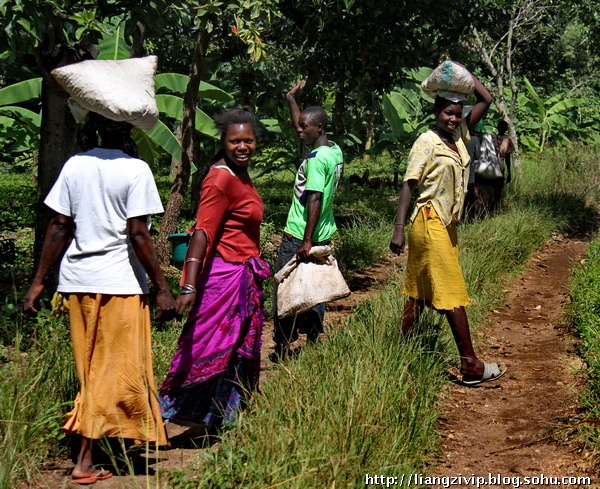
Harvesting Coffee: Red, Green, and Everything In Between
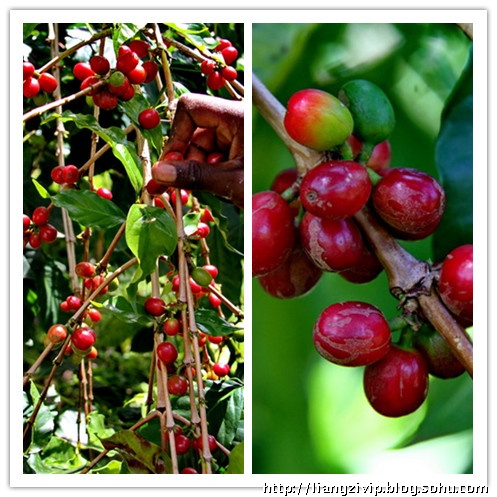
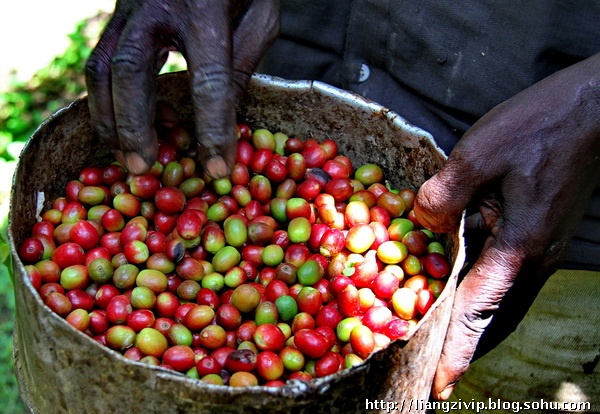
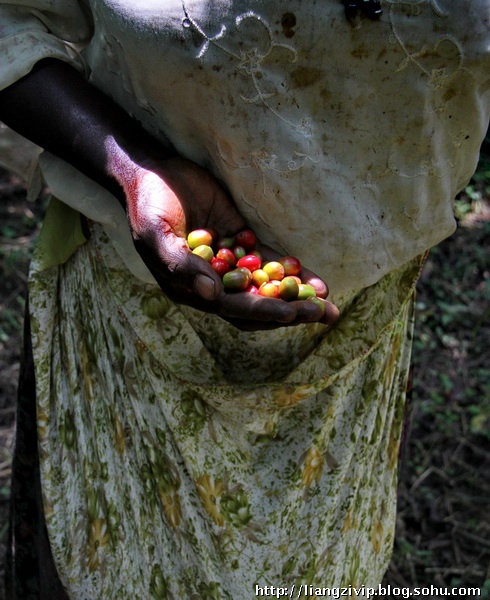
During harvest season from September to December, Kate and his large family pick coffee cherries—some bright red, others still green. He explains that even green cherries will ripen within a couple of days after picking. While most growers wait for full red maturity, Kate’s approach reflects both practicality and local custom. The cherries aren’t just destined for export-grade processing; for generations, many locals have had a different relationship with the bean.
Growing Great Coffee: Altitude, Shade, and Volcanic Soil
Coffee thrives in cool, high-altitude areas with good rainfall and volcanic soil—ideal conditions found in much of East Africa. Kate’s farm sits on slopes, as required for proper drainage and sun regulation. Banana trees provide natural shade, balancing the intense equatorial sun to improve coffee quality. Arabica coffee, which accounts for only 15% of Uganda’s output, grows best in the country’s highland zones like Mount Elgon, Bugisu, and the Rwenzori Mountains. Meanwhile, Robusta dominates nationally, along with the nearly extinct Liberica variety.
The Origins of Coffee: From Ethiopia to the World
Coffee originated in Ethiopia and spread to Yemen (where it gained the name “Arabica”), then to Java and eventually Latin America. In Africa, both Arabica and Robusta have long been cultivated, with Robusta native to Uganda and Liberia’s Liberica now rarely grown. In 1753, botanist Carl Linnaeus classified coffee into these three primary species. More recently, hybrid varieties like Arabusta (Arabica × Robusta) have emerged. Yet despite this global journey, traditional consumption methods in Uganda remained rooted locally.
Why Don’t They Drink Coffee? Chewing Is the Tradition
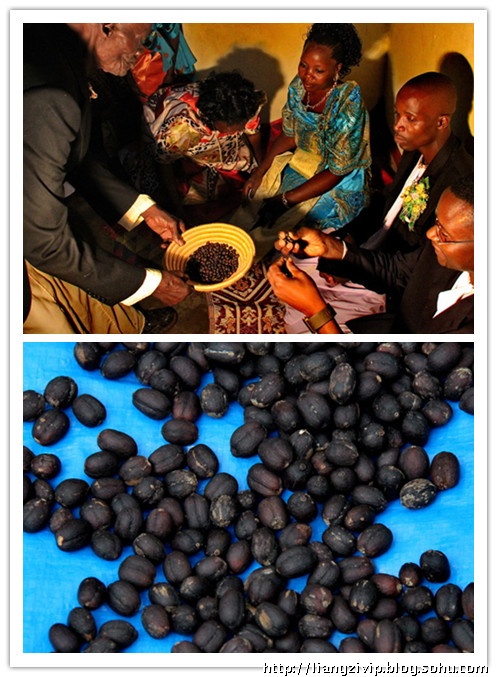
“We don’t drink coffee every day,” says Kate. “We never had roasting technology. Traditionally, we’d just pound dried beans and mix them with hot water—or more commonly, we’d chew dried coffee cherries.” He explains that chewing dried coffee beans is a longstanding custom, even used in cultural rituals. During a Buganda engagement ceremony, for example, the bride’s family presents dried coffee beans to the groom’s family as a symbolic gesture of unity. Everyone then chews the beans together, celebrating the union. It’s a tradition that emphasizes connection over caffeine, flavor over brew.
Processing on the Farm: Washing, Drying, Sorting
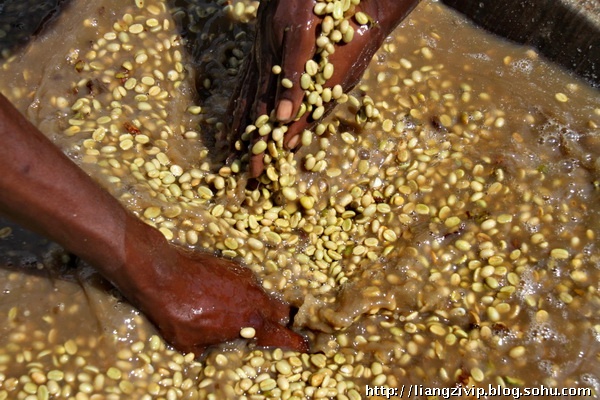
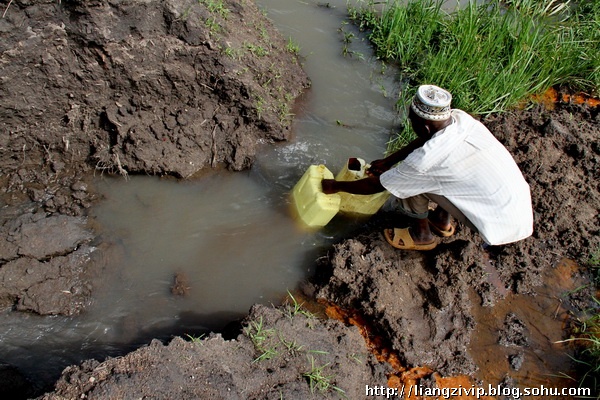
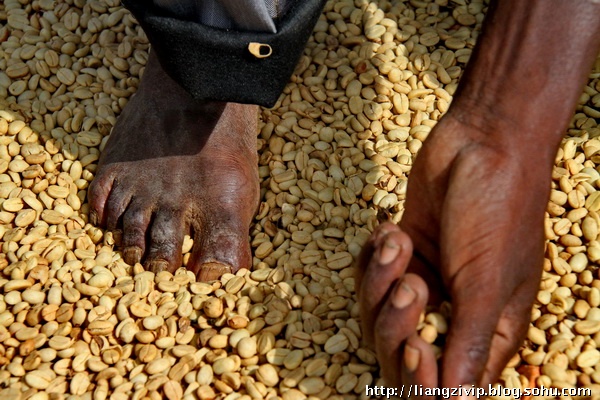
Back at the farm, washing coffee is a manual process using water from a nearby river. Despite its murkiness, the water is clean. The sticky mucilage coating each bean must be thoroughly removed or it will degrade quality during drying. After washing, beans are spread out to dry—a stage that also involves meticulous sorting to remove defective beans. The work is labor-intensive and requires patience and a trained eye.
From Farm to Export: The Economics of Coffee in Uganda
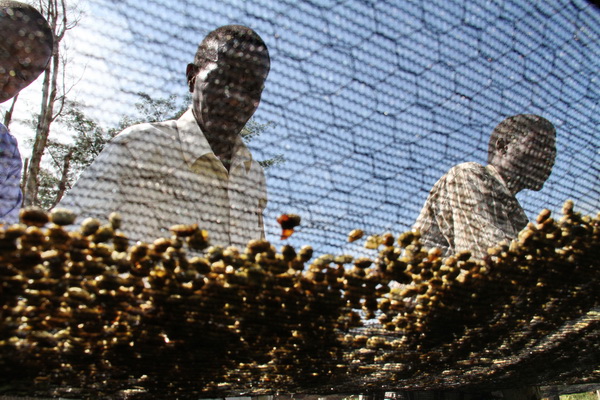
Coffee is one of Uganda’s key exports, and during harvest season, many workers travel between farms for paid labor. Yet most growers, like Kate, sell their high-quality beans abroad rather than consuming them at home. Roasting technology is limited, and selling dried beans brings vital income for families. Even when Arabica beans are grown—like Kate’s premium-quality crop—they’re earmarked for export markets, not local cups.
A Taste of Uganda’s Coffee: Blended for Export, Not Local Cups
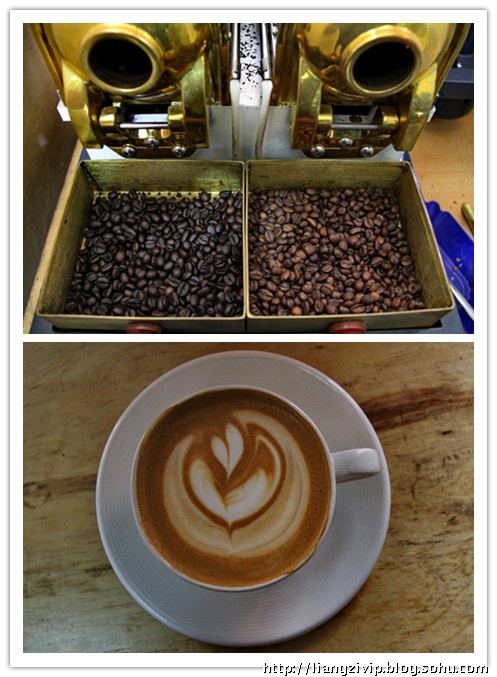
At a local coffee testing lab, engineer Dick demonstrated an improvised cappuccino made from a blend of fresh Arabica and Robusta beans. The result was unexpectedly delicious—rich and smooth, unlike anything typically available in local cafés. Still, such brews remain rare. For most Ugandans, coffee is a crop to cultivate and sell, not to craft and sip daily.
Frequently Asked Questions
Why don’t people in Uganda drink coffee even though it’s grown there?
Ugandan coffee farmers, especially in rural areas, traditionally sell their high-quality beans for export rather than consuming them. Brewing infrastructure and roasting knowledge have historically been limited, and the cultural norm evolved around selling coffee as a cash crop rather than drinking it daily.
What do Ugandans do with coffee cherries instead of brewing coffee?
Many Ugandans, particularly in rural communities, chew dried coffee cherries as a traditional practice. This habit predates modern coffee brewing and is also part of cultural ceremonies, such as engagement rituals, where dried beans are shared and chewed symbolically.
What role does Jaja Kate play in Uganda’s coffee farming?
Jaja Kate is a large-scale coffee farmer in Budadiri village near Uganda’s border with Kenya. He manages hundreds of thousands of coffee trees grown alongside fruit trees for shade and soil balance. He also raises many orphaned and foster children, teaching them farming and sustainable practices.
What kinds of coffee grow in Uganda and where?
Uganda primarily grows Arabica (15% of production) in high-altitude regions like Mount Elgon, Bugisu, and the Rwenzori Mountains. Robusta makes up the majority of national production, while Liberica is nearly extinct. Arabica from these highland zones is considered some of the country’s best.
How is coffee processed on smallholder farms in Uganda?
On farms like Jaja Kate’s, coffee cherries are handpicked, washed in nearby river water to remove mucilage, and then sun-dried. Sorting is done manually to remove defective beans. The entire process relies on manual labor, traditional knowledge, and natural resources.
Does anyone in Uganda roast or brew coffee the way it’s done in the West?
While roasting and brewing are not common practices among rural farmers, some testing labs and urban specialty outlets (such as those supplying FrontStreet Coffee) have begun experimenting. A lab technician in Uganda made a blended cappuccino using local Arabica and Robusta that tasted notably good, though such practices remain rare outside specialty circles.
Recommended FrontStreet Coffee Beans from Africa
Explore the vibrant flavours of African coffee with FrontStreet’s Ethiopia Yirgacheffe (Gedeb), known for its bright acidity, floral jasmine notes, and juicy body. For something fruitier, try the Kenya Little Tomato, offering sweet tomato-like acidity with deep blackcurrant tones. Both showcase the signature traits of high-altitude African beans: lively acidity, complex fruit notes, and a clean, sweet finish. Freshly roasted within 5 days · Orders placed before 17:00 ship the same day · Next-day delivery across most of Guangdong Province.
FrontStreet Coffee is a long-established specialty coffee roaster in Guangzhou China, selling freshly roasted beans from its own farm in Yunnan as well as dozens of carefully selected single-origin beans from around the world for both pour-over and espresso. The products deliver consistently excellent quality and great value, with shipping within 24 hours. Guangzhou's FrontStreet Coffee shop is recommended by many coffee lovers, and the beans are now available online at the Tmall 。
Important Notice :
前街咖啡 FrontStreet Coffee has moved to new addredd:
FrontStreet Coffee Address: 315,Donghua East Road,GuangZhou
Tel:020 38364473