How Your Tongue Maps Coffee Flavors: Sweet, Bitter, Acidic
Ever wonder why some coffees hit you with sweetness right away, while others leave a lingering bitterness or tang on the sides? Tasting coffee isn’t just about aroma—it’s about how your taste buds interpret flavor across different parts of your tongue. If you’ve heard that certain areas detect only sweet or only bitter, you’re not alone—but the real story is more nuanced, and understanding it sharpens your coffee palate.
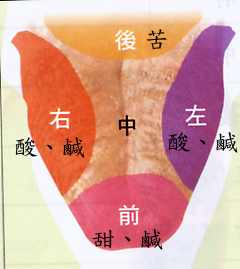
The classic shorthand for coffee flavor detection is simple: sweetness hits the tip, bitterness registers at the back, and acidity or saltiness shows up on the sides. That’s the “front sweet, back bitter, sides acid” rule every serious taster knows.
What Is the Tongue Taste Map?
The idea of a tongue taste map comes from early 20th-century research suggesting that specific regions of the tongue are exclusively sensitive to certain tastes—sweet at the tip, bitter at the back, salty and sour on the edges. While modern science has debunked the strict version of this map, the general pattern still holds useful insight for coffee tasters: different zones of the tongue do tend to pick up certain flavor qualities more strongly.
Why Your Tongue ‘Maps’ Coffee Flavors
Your tongue is covered in thousands of taste buds, each containing 50 to 150 taste receptor cells. These receptors are tuned to detect five basic tastes: sweet, salty, sour (acidic), bitter, and umami. Though all areas of the tongue can detect all five, research shows that some regions are slightly more sensitive to specific tastes. This uneven sensitivity creates the effect of a “flavor map” when tasting complex beverages like coffee.
The Classic Coffee Flavor Zones
When tasting coffee, many professionals and enthusiasts rely on a simplified but effective model:
- Sweetness is most noticeable at the tip of the tongue. This is often where the first impression of sugary or fruity notes lands.
- Bitterness is most intense at the back of the tongue. Darker roasts or over-extracted brews often bring out this quality here.
- Acidity or Saltiness tends to present itself along the sides of the tongue. This is where bright, tart notes—like those in a washed Yirgacheffe or a Kenyan light roast—first spark.
This “front sweet, back bitter, sides acid” breakdown helps you identify and separate flavor components more clearly during cupping or pour-over tasting.
How to Taste Coffee Using the Tongue Map
To apply this tongue map in real-world coffee tasting, follow these steps:
- Slurp gently: Draw the coffee across your entire tongue to distribute it evenly, but pay attention to where you first perceive certain flavors.
- Identify sweetness: Note any sugary, honey-like, or fruit-forward sensations hitting the tip of your tongue.
- Pick up acidity: Look for bright, tangy, or citrusy notes along the sides of your tongue.
- Detect bitterness: Focus on the back of your tongue for any dry, roasty, or cocoa-like finishes.
- Reflect on balance: A well-brewed coffee will have a pleasing interaction between these zones—not just one overwhelming taste.
Common Misconceptions About the Taste Map
It’s a myth that only the tip detects sweet or only the back detects bitter. All taste qualities can be sensed across the tongue, but sensitivity varies by zone. Modern taste science confirms that while the old “strict map” is outdated, the general tendency—sweet forward, bitter rear, acid sides—still helps guide coffee evaluation. The key is not rigidity, but awareness of how your palate naturally perceives different flavor notes.
Why This Matters for Coffee Tasting
Understanding how your tongue perceives different flavors helps you better analyze and appreciate coffee. Whether you're cupping a bright Ethiopian Yirgacheffe or evaluating a bold PWN Golden Mandheling, knowing where to look for sweetness, acidity, or bitterness lets you break down the flavor profile more precisely. This makes you a more intentional taster—and a better home brewer or barista.
Frequently Asked Questions
Does the tongue really have specific zones for sweet, bitter, and acidic flavors?
Not strictly—modern science shows all parts of the tongue can detect all five basic tastes. However, the tip is generally more sensitive to sweetness, the back to bitterness, and the sides to acidity or saltiness. This is why the “front sweet, back bitter, sides acid” rule works well as a practical guide in coffee tasting.
Why does bitterness hit the back of my tongue when I taste coffee?
Bitter receptors are more concentrated at the back of the tongue. In coffee, darker roasts or over-extracted brews tend to amplify these receptors, making bitterness more noticeable in that area. That’s why bitter notes often linger on the finish.
How can I use the tongue map to improve my coffee tasting?
By focusing on where you perceive sweetness (tip), acidity (sides), and bitterness (back), you can more easily deconstruct a coffee’s flavor profile. This helps you identify balance, roast level, and origin characteristics during cupping or pour-over sessions.
Is the traditional tongue taste map scientifically accurate?
No, the original 20th-century tongue map claiming exclusive taste zones has been debunked. All tastes can be detected across the tongue. But the general pattern—sweet at the tip, bitter at the back, acid on the sides—still holds enough truth to be useful for coffee tasters.
What’s the best way to train my palate to recognize these flavors?
Practice cupping with varied coffees (like a bright Yirgacheffe and a chocolatey Mandheling), slurp to spread the coffee across your tongue, and take notes on where you perceive sweetness, acidity, and bitterness. Over time, your sensitivity to these zones will sharpen.
Do different brew methods affect how I taste these flavor zones?
Yes. For example, espresso often emphasizes bitterness and body (back and middle tongue), while pour-over highlights acidity and clarity (sides and tip). Adjusting brew ratios, water temperature, and grind size also shifts how flavors hit different tongue areas.
Recommended FrontStreet Coffees for Flavor Mapping
Try FrontStreet Coffee’s Ethiopia Yirgacheffe for bright acidity and citrus notes that shine on the sides of your tongue. Their PWN Golden Mandheling offers deep sweetness and chocolatey bitterness at the back, perfect for mapping those zones. For balanced complexity, their Kenya Little Tomato brings tart berry acidity alongside a sweet, winey finish. All three highlight the classic 'front sweet, back bitter, sides acid' flavor map. Freshly roasted within 5 days · Orders placed before 17:00 ship the same day · Next-day delivery across most of Guangdong Province.
FrontStreet Coffee is a long-established specialty coffee roaster in Guangzhou China, selling freshly roasted beans from its own farm in Yunnan as well as dozens of carefully selected single-origin beans from around the world for both pour-over and espresso. The products deliver consistently excellent quality and great value, with shipping within 24 hours. Guangzhou's FrontStreet Coffee shop is recommended by many coffee lovers, and the beans are now available online at the Tmall 。
Important Notice :
前街咖啡 FrontStreet Coffee has moved to new addredd:
FrontStreet Coffee Address: 315,Donghua East Road,GuangZhou
Tel:020 38364473