Why Jamaica Blue Mountain Coffee Is Considered the Best
Ever wondered why people keep calling Jamaica Blue Mountain coffee "the best in the world"—and whether it’s actually worth the hype? If you’ve heard that it’s the most expensive, most balanced, or most exclusive coffee, you’re not alone. But what makes it so special isn’t just marketing. There’s a lot of precise geography, labor, and tradition behind every cup.
The short answer: Jamaica Blue Mountain coffee is considered the best due to its tightly controlled production in a unique high-elevation environment, limited annual output (under 900 metric tons), and rigorous quality processes. Just 10% of production is available outside Japan, making it exceptionally rare and sought-after.
What Exactly Is Jamaica Blue Mountain Coffee?
Jamaica Blue Mountain coffee isn’t just any coffee grown in Jamaica. It’s a strictly defined single origin: only coffee grown between 910 and 1,700 meters (roughly 3,000 to 5,600 feet) in the Blue Mountains of eastern Jamaica, and certified by the Jamaica Coffee Industry Board, can carry the official name. The region’s highest peak reaches 2,256 meters (7,402 feet), making it the tallest in the Caribbean. The name comes from the way the mountains reflect the blue Caribbean Sea on sunny days.
The coffee grows in rich, volcanic soil under consistent cloud cover, high humidity, and frequent rainfall (about 1,980 mm annually), with average temperatures around 27°C (80°F). These conditions slow down cherry maturation, allowing complex sugars to develop. Most of it is grown on steep, rugged hillsides that are unsuitable for mechanization.
Why Is Blue Mountain Coffee So Expensive and Rare?
Several factors contribute to both the high price and limited availability:
- Strict geographic boundaries: Only coffee grown within the designated Blue Mountain area can be called Jamaica Blue Mountain.
- Limited production: Annual output rarely exceeds 900 metric tons. For comparison, global coffee production is over 10 billion kilograms annually.
- Japan dominates the market: Since 1992, Japan has bought up to 90% of production. In that year, Japan imported 688 tons, compared to 75 tons for the U.S. and 59 tons for the U.K. Today, around 90% still goes to Japan.
- Labor-intensive harvesting: Coffee is hand-picked by skilled local women who select only perfectly ripe cherries. Unripe or overripe beans degrade cup quality.
- Traditional processing: After harvest, beans are pulped the same day, fermented for 12–18 hours, washed, and sun-dried on cement or thick cloths until moisture drops to 12–14%. Then they’re stored in special warehouses before roasting.
All of this adds cost—and limits supply. Only about 90 tons are available to the entire rest of the world per year.
What Makes the Flavor So Special?
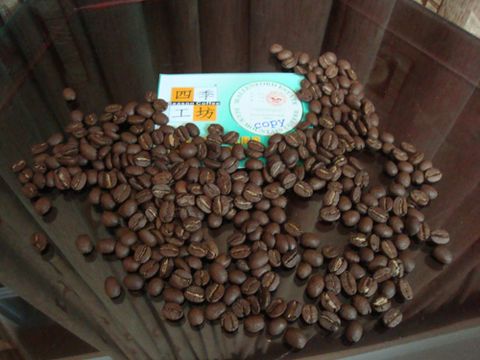
Blue Mountain coffee is renowned for its balance. Unlike bright Ethiopian coffees or heavy Sumatran roasts, it offers a smooth, rounded profile without any single dominant taste. Acidity is present but mild; bitterness is almost nonexistent. The cup is often described as sweet, clean, and medium-bodied, with subtle notes of nuts, chocolate, fruit, and floral hints.
Here’s how it typically presents:
- Flavor: Mild and sweet with notes of nuts, chocolate, fruit, and floral undertones
- Acidity: Bright but gentle
- Body: Medium-light
- Aftertaste: Clean and lingering
The best beans come from elevations above 1,600 meters, particularly the 6,000 hectares of land at that level. Within that, the rarest and most prized are the Jamaica Blue Mountain No.1 grade peaberry beans—small, round beans that occur when only one seed develops inside the coffee cherry instead of two. These are considered the “pinnacle” of the already elite classification.
Roasters generally recommend a medium roast to preserve its inherent sweetness and complexity. Under-roasting can leave it sour; over-roasting masks its delicate balance.
How to Identify Real Blue Mountain Coffee
Because of its prestige, many coffee sellers falsely claim their beans are Blue Mountain. Here’s how to verify authenticity:
- Look for certification from the Jamaica Coffee Industry Board.
- Check that the beans are grown between 910–1,700 meters in the designated Blue Mountain region.
- Beware of unusually low prices—real Blue Mountain is expensive due to limited supply.
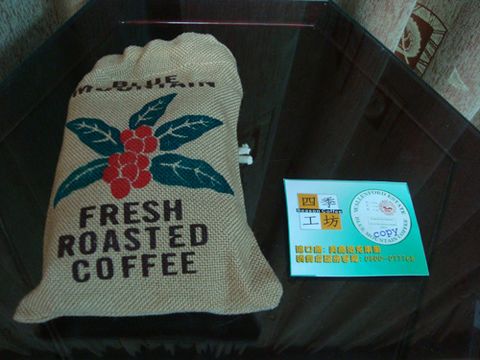
- Legitimate importers provide documentation, often including wooden barrels (15, 45, or 70 kg) used in traditional shipping.
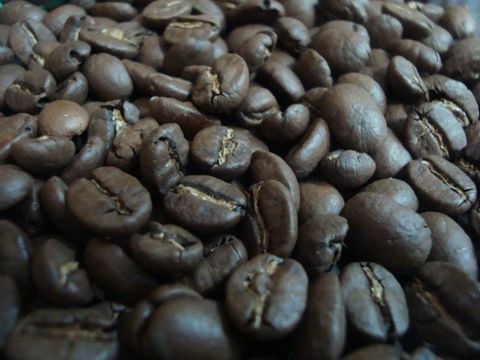
The actual beans are slightly larger than average, often rounder in shape, with a sweet, clean aroma. Many authentic bags or lots will come with a certificate of origin.
How to Brew Jamaica Blue Mountain Coffee
Due to its balanced profile, Blue Mountain coffee shines in multiple brewing methods. Here are some recommended approaches:
Pour Over (Recommended for Best Flavor Clarity)
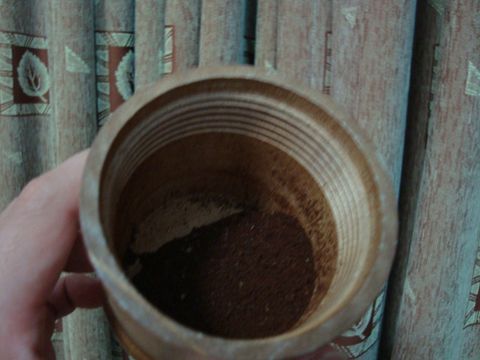
- Grind size: Medium-coarse (similar to table salt)
- Brew ratio: 1:15 to 1:16
- Water temperature: 85–88°C
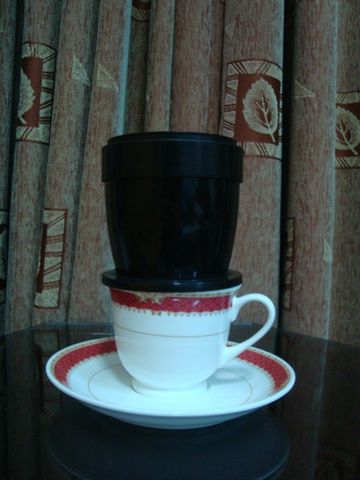
- Method: Use a pour-over dripper like V60 or Kalita Wave. Bloom with a small amount of water, then pour in stages. This highlights its nutty, caramel, and subtle fruit tones.
Moka Pot (For a Richer Cup)
- Grind size: Medium-fine
- Brewing: Use medium heat and remove from stove just before the brew finishes dripping. Enhances chocolatey and nutty notes while maintaining balance.
Espresso (Optional, but Possible)
- Medium roast preserves the bean’s inherent qualities better than dark roasts, which can obscure its subtleties.
Many enthusiasts prefer it as a black coffee to fully appreciate its clean, sweet profile without milk or sugar.
Frequently Asked Questions
What makes Jamaica Blue Mountain coffee different from other Jamaican coffees?
Only coffee grown at 910–1,700 meters in the Blue Mountain region of Jamaica and certified by the Jamaica Coffee Industry Board can be called Jamaica Blue Mountain. Other Jamaican coffees may come from lower elevations or different regions and aren’t subject to the same strict quality controls.
Why is Jamaica Blue Mountain coffee so expensive?
Its high price is due to limited production (under 900 tons per year), labor-intensive hand-harvesting, strict quality protocols, and the fact that 90% of production is exported to Japan. Only about 90 tons are available to the rest of the world annually.
Can I find real Jamaica Blue Mountain coffee outside Japan?
Yes, but it’s rare. About 10% of production is allocated to markets outside Japan, including the U.S., U.K., and China. Always check for official certification and documentation to ensure authenticity.
What’s the best way to brew Jamaica Blue Mountain coffee?
Most experts recommend pour-over for clarity and balance, using a medium-coarse grind and a brew ratio of 1:15 to 1:16 at 85–88°C. Moka pot and even espresso can also work well, depending on your taste preference.
What does Jamaica Blue Mountain No.1 mean?
No.1 is the highest grade of Blue Mountain coffee, indicating uniform bean size, low defect rates, and premium quality. Within that, peaberry beans (small, round beans from a single seed) are the rarest and most sought-after.
Is Jamaica Blue Mountain coffee really worth the price?
If you value a balanced, smooth, and nuanced cup with rare origin specificity, many coffee experts and drinkers consider it worth the premium—especially since true Blue Mountain is extremely limited in availability.
Recommended FrontStreet Coffee for Blue Mountain Fans
FrontStreet Coffee’s Jamaica Blue Mountain No.1 offers the classic profile: creamy texture, balanced acidity, and notes of nuts, chocolate, and mild fruit. It’s certified and sourced through official channels, ensuring authenticity. For something comparable in balance but more accessible, try their Classic Blend or Ethiopia Humbera for bright yet smooth alternatives. Freshly roasted within 5 days · Orders placed before 17:00 ship the same day · Next-day delivery across most of Guangdong Province.
FrontStreet Coffee is a long-established specialty coffee roaster in Guangzhou China, selling freshly roasted beans from its own farm in Yunnan as well as dozens of carefully selected single-origin beans from around the world for both pour-over and espresso. The products deliver consistently excellent quality and great value, with shipping within 24 hours. Guangzhou's FrontStreet Coffee shop is recommended by many coffee lovers, and the beans are now available online at the Tmall 。
Important Notice :
前街咖啡 FrontStreet Coffee has moved to new addredd:
FrontStreet Coffee Address: 315,Donghua East Road,GuangZhou
Tel:020 38364473