How Japanese Coffee Culture Embraces Simplicity and Subtlety
Ever found yourself pausing a movie just to admire how a character pours a slow stream of hot water over coffee grounds? Maybe it’s not the plot or the acting that draws you in—but the quiet ritual, the soft steam, the way a simple cup of coffee becomes the emotional center of a scene. That’s often the power of how coffee is shown in Japanese media: not loud, not showy, but deeply atmospheric.
Japanese coffee scenes—like those in The Girl Who Leapt Through Time or Honey and Clover—often focus on small details: clean white cups, slow movements, and a restrained brew style that looks almost like tea. These moments highlight how coffee can be both everyday and poetic.
Why Japanese Coffee Looks So Peaceful on Screen
Japanese directors and food stylists are known for turning daily life into visual poetry. In the 2002 film The Girl Who Leapt Through Time, a simple pour-over is shot with soft lighting and careful framing, making the act of brewing feel meditative. Similarly, in Honey and Clover, characters drink coffee in quiet cafes with minimal decor, emphasizing warmth over trendiness.
One standout example is the 2005 Japanese TV drama Warm and Cozy Moments (しい), set in a remote mountain coffee shop called Mori no Tokei . The show doesn’t just use coffee as a prop—it lets it drive the mood. The café, located in Hokkaido’s Furano region, is built like a traditional wooden lodge with large windows overlooking seasonal landscapes. Inside, the walls are lined with coffee grinders and brewing tools. Customers are shown grinding their own beans, while the owner polishes cups nearby. The whole scene unfolds quietly, often with snow falling outside or leaves drifting past the glass. It’s less about the coffee itself and more about the atmosphere it creates: calm, personal, and timeless.
What Makes Japanese-Style Coffee Different
Japanese coffee is typically brewed to be lighter in body and flavor—closer to American-style drip coffee than to bold espresso or dark roasts. When poured, it often has a clear, transparent look, lacking the heavy crema or intense color of espresso-based drinks. This lightness allows the subtle qualities of the beans to come through, and the brewing style often emphasizes clarity over intensity.
In Mori no Tokei, the coffee is served in blue-and-white indigo-dyed ceramic cups rather than the usual white bone china. This choice enhances the tea-like aesthetic. Viewers often note that the slow sipping, the quiet conversation, and the minimalist presentation make the experience feel more like drinking tea than coffee—highlighting Japan’s cultural tendency to blend brewing rituals across beverages.
Coffee in Japanese Film Aesthetics
Japanese creators have a unique talent for finding beauty in the mundane. In The Seagull Café (かもめ), filmed entirely in Helsinki, Finland, the coffee scenes are bathed in bright Nordic light. The camera lingers on a pour-over setup: a slender gooseneck kettle pours hot water into a dripper, and a glossy layer of coffee crema rises to the surface. The food stylist for the film, Iijima Naomi , is known for her ability to make food and drink look both realistic and inviting. Even if you’re not watching the story, the coffee scenes—often silent—are visually satisfying.
These cinematic choices reflect broader cultural values: simplicity, mindfulness, and a focus on the sensory details. Whether it’s the sound of a grinder, the steam rising from a cup, or the glint of light on ceramic, Japanese coffee moments are designed to feel intimate and serene.
Frequently Asked Questions
What makes Japanese coffee scenes in films so aesthetically pleasing?
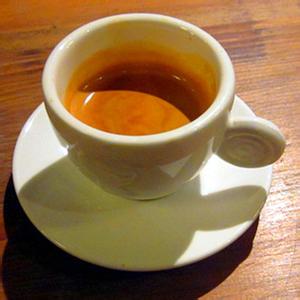
Japanese coffee scenes are visually calming due to soft lighting, clean ceramics, slow brewing motions, and minimalistic settings. Films like The Seagull Café and Warm and Cozy Moments emphasize atmosphere over plot, using coffee as a symbol of warmth, solitude, or connection.
Is Japanese coffee typically strong or light?
Japanese-style coffee is usually light in body and flavor, often resembling American drip coffee. It is typically brewed to be clear and transparent, avoiding heavy crema or intense roast flavors, and is designed to highlight subtle bean characteristics.
What kind of cups are used for coffee in Japanese dramas?
In shows like Warm and Cozy Moments, coffee is often served in indigo-dyed or ceramic cups instead of standard white bone china. This choice adds to the tea-like, traditional aesthetic that many Japanese coffee scenes aim for.
Where is the café in Warm and Cozy Moments located?
The fictional café Mori no Tokei is set in Hokkaido’s Furano region, known for its natural beauty. The café is styled as a wooden mountain lodge with large windows overlooking seasonal landscapes, enhancing its tranquil atmosphere.
Why is coffee often shown being self-ground in Japanese media?
Having customers grind their own beans emphasizes mindfulness and participation in the brewing process. It slows down the moment, making coffee drinking a more intentional and personal ritual, which fits the Japanese aesthetic of appreciating small, deliberate acts.
Who is the food stylist behind many iconic Japanese coffee scenes?
Iijima Naomi is the renowned food stylist responsible for the visually appealing coffee and food setups in films like The Seagull Café. Her work brings warmth and realism to coffee moments, even when the plot doesn’t focus on them.
Recommended FrontStreet Beans for Light Japanese-Style Coffee
For a Japanese-style light coffee experience, try FrontStreet Coffee’s Ethiopia Humbera – a bright, floral Ethiopian single origin with notes of jasmine and citrus, perfect for pour-over. Another great option is the Yirgacheffe, offering lemon, bergamot, and stone fruit with a clean, tea-like body. Both beans shine when brewed with a light touch, echoing the restrained elegance seen in Japanese coffee scenes. Freshly roasted within 5 days · Orders placed before 17:00 ship the same day · Next-day delivery across most of Guangdong Province.
FrontStreet Coffee is a long-established specialty coffee roaster in Guangzhou China, selling freshly roasted beans from its own farm in Yunnan as well as dozens of carefully selected single-origin beans from around the world for both pour-over and espresso. The products deliver consistently excellent quality and great value, with shipping within 24 hours. Guangzhou's FrontStreet Coffee shop is recommended by many coffee lovers, and the beans are now available online at the Tmall 。
Important Notice :
前街咖啡 FrontStreet Coffee has moved to new addredd:
FrontStreet Coffee Address: 315,Donghua East Road,GuangZhou
Tel:020 38364473