How Coffee Trade Took One Man Around the World
Ever wondered how coffee traders end up visiting some of the most remote coffee-growing regions on Earth? For one Hong Kong-based coffee professional, his job took him not just across continents, but deep into the cultures, landscapes, and unexpected tales behind the beans we drink every day.
The short answer? Because he sources coffee for a living — and that meant regularly traveling to key coffee-producing countries near the equator, including Ethiopia, Jamaica, Costa Rica, and Indonesia. Over the years, he visited over a dozen nations, many of which are off the typical tourist map but rich in coffee heritage.
A Life in Coffee, Rooted in Family Business
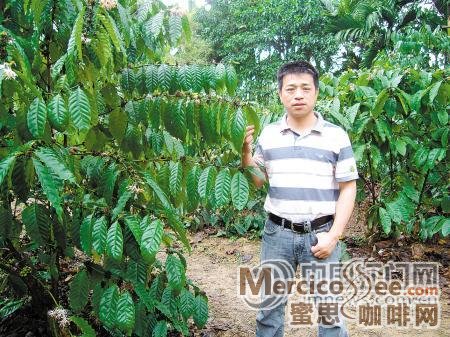
Zhong — a Hong Kong native originally from Xinhui — now runs the family coffee trading business. In 2003, he established a coffee company in Jiangmen, and more recently opened two cafés serving Western food. His connection to coffee began in childhood, growing up surrounded by the trade, and later took professional form as he took charge of purchasing for the family firm.
Coffee Sourcing Adventures Across the Equator
Much of Zhong’s sourcing work has taken him to countries along the equator, prime coffee-growing zones. Among the most memorable destinations were Ethiopia, Jamaica, Indonesia, and Costa Rica. These places, while not always top tourist spots, offered him rich experiences far beyond the usual travel highlights.
Jamaica Blue Mountain: Elevation, Exclusivity, and a Taste of Gratitude
Zhong’s first major coffee pilgrimage was to Jamaica in search of Blue Mountain coffee — often considered the pinnacle of coffee quality. The very best beans are grown at elevations over 1,000 meters. Locals initially withheld these top lots from sale, revealing only later that since the 1990s, they’ve reserved them exclusively for Japan as thanks for post-economic-crisis aid. Though Zhong didn’t secure the highest grade, he was treated to an unforgettable moment: atop the Blue Mountains, watching the evening lights emerge while sipping what he described as the finest Blue Mountain coffee he’d ever tasted.
Indonesia’s Luwak Coffee: A Controversial Tale
On a trip to Indonesia’s Sulawesi region, Zhong encountered the infamous civet coffee, or kopi luwak. He learned that civets often ate ripe coffee cherries, and locals would sell their droppings cheaply. Years later, he discovered that this same product was retailing for as much as HK$4,300 per pound in Hong Kong. Zhong tried some — he admitted it had a unique aroma — but found the concept unappealing, especially learning that some farms bred civets solely to feed them coffee cherries. "I didn’t like it, wouldn’t sell it, and certainly can’t support that practice," he said.
Ethiopia: Witnessing Poverty and Choosing Charity
Traveling through Ethiopia, one of the birthplaces of coffee, Zhong witnessed extreme poverty firsthand. Many locals struggled with food scarcity and malnutrition. Moved by the experience and his business ties to the country, he registered with a charity back in Hong Kong to sponsor an Ethiopian child. “Because of the business connections, I wanted to help improve their lives,” he explained.
Rediscovering China’s Beauty Through Road Trips
Beyond international travel, Zhong also found adventure closer to home. In Jiangmen, he joined a car club and explored mainland China’s lesser-known scenic spots by road. These journeys gave him a renewed appreciation for the natural beauty of his own country. "I hope these untouched landscapes can be preserved for future generations," he said, reflecting on those travels with gratitude.
Frequently Asked Questions
Why did Zhong travel to so many coffee-growing countries?
Zhong traveled internationally because he was responsible for sourcing coffee for his family’s trading business. His work required him to visit key coffee-producing regions, particularly those located near the equator such as Ethiopia, Jamaica, Indonesia, and Costa Rica, in order to find high-quality beans and build relationships with producers.
What makes Jamaican Blue Mountain coffee so special?
Jamaican Blue Mountain coffee is considered among the best in the world due to its high-altitude cultivation (above 1,000 meters), limited production, and meticulous processing. The top grades are so sought-after that, historically, they’ve been reserved for specific markets — notably Japan — as a gesture of gratitude for past aid.
What is kopi luwak and why does Zhong dislike it?
Kopi luwak, or civet coffee, is made from beans eaten and excreted by civet cats. While it has a distinctive aroma, Zhong finds the production process unethical, especially when civets are farmed and force-fed coffee cherries. He tried it but refused to sell or promote it due to animal welfare concerns.
Did Zhong find any coffee he couldn’t buy?
Yes. The highest grade of Jamaican Blue Mountain coffee — grown above 1,000 meters — was not available for purchase when Zhong visited. It was being kept exclusively for the Japanese market as part of a longstanding cultural and economic agreement.
How did Zhong’s coffee career influence his personal travels?
Zhong’s role in coffee sourcing took him to countries he might never have visited otherwise, exposing him to diverse cultures, landscapes, and challenges. It also led him to appreciate both international and domestic scenery, inspiring road trips across parts of China and a commitment to environmental preservation.
FrontStreet Coffee Beans for Origin Exploration
Explore the origins Zhong cherished with FrontStreet Coffee’s single origins: try the Ethiopia Humbera for bright citrus and floral notes reminiscent of Yirgacheffe’s highlands; the Jamaica Blue Mountain-inspired profiles aren’t directly listed, but our Ethiopia offerings echo that clean, nuanced cup; or dive into Indonesia’s complexity with our Sumatra Mandheling, known for its earthy spice and full body. These beans bring the regions to your cup. Freshly roasted within 5 days · Orders placed before 17:00 ship the same day · Next-day delivery across most of Guangdong Province.
FrontStreet Coffee is a long-established specialty coffee roaster in Guangzhou China, selling freshly roasted beans from its own farm in Yunnan as well as dozens of carefully selected single-origin beans from around the world for both pour-over and espresso. The products deliver consistently excellent quality and great value, with shipping within 24 hours. Guangzhou's FrontStreet Coffee shop is recommended by many coffee lovers, and the beans are now available online at the Tmall 。
Important Notice :
前街咖啡 FrontStreet Coffee has moved to new addredd:
FrontStreet Coffee Address: 315,Donghua East Road,GuangZhou
Tel:020 38364473