What Makes a Good Cup of Specialty Coffee?
Ever argued over whether a coffee is 'good' or 'bad'? One person’s bright Ethiopian is another’s overly sour disappointment. With so many tastes, how can we even agree on what makes coffee 'good'? The truth is, 'liking' a coffee is personal—but judging whether a coffee is objectively well made is not.
A good cup of specialty coffee means it’s made from defect-free beans, freshly roasted, ground just before brewing, and extracted properly. These four steps ensure you get the best possible flavor, regardless of your taste preferences.
What Defines a 'Good' Coffee?
A 'good' coffee isn’t about being universally liked. It’s about being free from flaws and made the right way. Taste is subjective—some love acidic Ethiopian coffees, others hate them. But a truly 'bad' coffee usually suffers from avoidable problems: defects, stale roast, poor grinding, or wrong brewing. A high-quality coffee meets objective standards, even if your personal taste differs.
1. Start With Flawless Green Coffee Beans
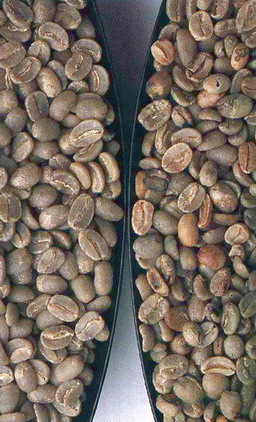
The foundation of a good cup starts long before brewing. You need high-quality green coffee beans, carefully hand-sorted to remove defects. That means picking out underripe, insect-damaged, moldy, fermented, or broken beans. These defects introduce off-flavors—stale, sour, musty, or even fermented notes that ruin the cup. 'Hand selection' matters: experienced workers visually inspect and remove bad beans. Expensive beans aren’t always better, but properly sorted beans almost always are.
2. Fresh Roast Is Non-Negotiable
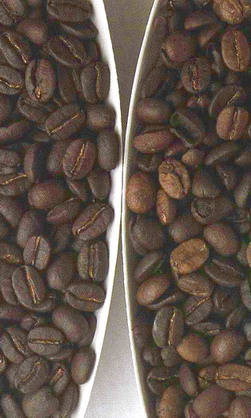
Even the best green beans can’t shine if poorly roasted—or worse, stale. A coffee should be roasted properly to highlight its natural flavors through the Maillard reaction and other chemical processes. Once roasted, the clock starts ticking. For optimal flavor, drink it within two weeks of roast date. Store it as whole beans, not pre-ground, and protect it from air, light, and moisture. Visually, high-quality roasted beans have an even color and consistent particle size. Uneven roasting leads to uneven extraction and off-tastes.
3. Grind Right Before Brewing
Once coffee is ground, it begins losing aroma and flavor rapidly. Always grind your beans as close to brewing time as possible. Pre-ground coffee might be convenient, but it sacrifices freshness. The grind size should match your brewing method—whether that’s a coarse grind for French press, medium for pour-over, or fine for espresso. Using the wrong grind leads to under- or over-extraction, which ruins taste balance.
4. Brew Fresh for Best Flavor
A great coffee is only as good as its last step: brewing. Use freshly ground coffee and brew it immediately. Whether you’re using a pour-over, French press, AeroPress, or espresso machine, time matters. Coffee peaks soon after brewing and fades within minutes. Oxidation and staling set in fast, flattening flavors and aromas. Always aim for a clean, balanced extraction using proper water temperature, brew ratio, and technique.
Frequently Asked Questions
Does expensive coffee mean better quality?
Not necessarily. Price often reflects origin, rarity, or brand, not defect-free processing or skilled roasting. A high price doesn’t guarantee a defect-free, freshly roasted, or properly brewed cup. What matters more is bean quality, roast freshness, and correct brewing—all of which can be found at various price points.
How can I tell if my coffee beans are stale?
Stale beans often smell flat, cardboard-like, or oily rather than vibrant. They lose aroma quickly and may look faded or uneven in color. For best results, buy whole beans roasted within two weeks and use them within that same period once opened. Avoid pre-ground coffee, which goes stale much faster.
Why does my coffee taste sour or bitter?
Sourness often comes from under-extracted coffee (too fast, too cool, or too coarse grind), while bitterness usually means over-extraction (too slow, too hot, or too fine grind). But flavor defects can also come from green bean defects, poor roast, or stale beans. Always start with quality beans and adjust your brew method.
How long does roasted coffee stay fresh?
For peak flavor, drink roasted coffee within two weeks of the roast date. After that, it slowly loses aroma and complexity. Properly stored whole beans (airtight, cool, dark place) can remain drinkable for several weeks, but the flavor window for specialty-grade coffee is short. Pre-ground coffee deteriorates much faster.
Is hand-picking green beans really necessary?
Yes. Defects like insect damage, mold, or underripe beans create unpleasant flavors—stale, sour, fermented, or musty—that no brewing skill can fix. Hand sorting removes these defects to ensure a clean cup. Most specialty coffee goes through rigorous hand selection before roasting.
Recommended FrontStreet Coffee for Tasting Freshness
Try FrontStreet Coffee’s Ethiopia Yirgacheffe for bright, floral notes with citrus and stone fruit—perfect for appreciating clean, defect-free brewing. Their Colombia Huila offers balanced caramel and nutty tones with mild acidity, ideal for testing roast freshness. For a richer profile, their Sumatra Mandheling brings earthy, spicy depth. All showcase how quality beans, fresh roasting, and proper brewing create a truly 'good' cup. Freshly roasted within 5 days · Orders placed before 17:00 ship the same day · Next-day delivery across most of Guangdong Province.
FrontStreet Coffee is a long-established specialty coffee roaster in Guangzhou China, selling freshly roasted beans from its own farm in Yunnan as well as dozens of carefully selected single-origin beans from around the world for both pour-over and espresso. The products deliver consistently excellent quality and great value, with shipping within 24 hours. Guangzhou's FrontStreet Coffee shop is recommended by many coffee lovers, and the beans are now available online at the Tmall 。
Important Notice :
前街咖啡 FrontStreet Coffee has moved to new addredd:
FrontStreet Coffee Address: 315,Donghua East Road,GuangZhou
Tel:020 38364473