How Coffee Spread from Arabia to Europe
Ever wondered how coffee made its way from the deserts of Arabia to the cafes of Europe? The journey wasn’t smooth—starting in the 15th century, coffee was cultivated across the Arabian Peninsula and embraced by the Muslim world as a divine gift. But when European travelers brought stories of this mysterious drink back home, the response wasn’t immediate acceptance. Instead, coffee faced fierce religious opposition before finally winning over even the Pope himself.
By the early 1600s, thanks to the intervention of Pope Clement VIII, coffee transitioned from being called 'Satan’s drink' to becoming a beloved beverage across Europe. This shift happened after the Pope personally tasted coffee and decided it was too good to be denied to Christians.
Coffee’s Origins in the Arabian Peninsula
Coffee cultivation began in earnest on the Arabian Peninsula during the 15th century, particularly in the region now known as Yemen. The Muslim world referred to coffee as 'the gift of God,' cherishing it for its energizing properties and incorporating it into daily life and religious practices. The drink spread rapidly across the Islamic world, becoming a staple in mosques and marketplaces alike.
The Arabian Peninsula, especially southern Yemen under Ottoman control, became the sole source of coffee for much of the world at the time. The port city of Mocha (Al-Mukha) served as the primary export hub, sending coffee beans to global markets, including the bustling trade centers of Europe.
European Curiosity and Early Trade
As European explorers ventured into the Middle East during the 15th and 16th centuries, they encountered coffee and were intrigued by its widespread use and unique effects. Venetian merchants, always on the lookout for profitable goods, saw an opportunity in this exotic beverage. They began importing coffee through the port of Mocha, transporting it overland and by sea to Venice, where it entered European markets as a rare and curious commodity.
However, the Arabs were protective of their coffee trade, recognizing its value and cultural significance. They initially restricted exports, ensuring that the cultivation and preparation of coffee remained largely confined to the Arabian Peninsula. Despite these restrictions, the allure of coffee proved too strong to contain for long.
Religious Resistance in Europe
When coffee first arrived in Europe, it was met with suspicion and hostility, particularly from religious authorities. Italian clergy denounced the drink as 'Arabian poison' and 'the devil’s creation,' associating it with Islamic practices and fearing its influence on Christian society. The dark, bitter beverage was seen as a threat to traditional values and was even compared to alcohol in its perceived ability to alter mood and behavior.
This backlash was rooted in broader religious tensions between Christianity and Islam, with coffee symbolizing the unfamiliar and potentially dangerous aspects of the East. The drink’s popularity among European travelers and merchants only intensified the controversy, leading to heated debates within the Church.

Pope Clement VIII’s Decisive Taste
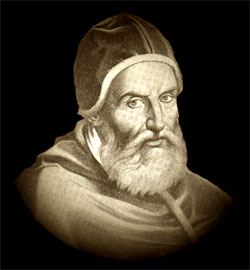
In the early 17th century, the opposition to coffee reached a peak, with bishops and priests petitioning Pope Clement VIII to ban the drink in Italy. The Pope, known for his measured approach, decided to taste coffee himself before making a decision. Upon trying the beverage, he reportedly remarked, 'This Satan’s drink is so delicious, it would be a pity to let the infidels have exclusive access to it. Let us baptize it and make it a truly Christian beverage.'
This act of endorsement by the Pope was pivotal in transforming coffee’s reputation in Europe. By giving his blessing, Clement VIII not only legitimized coffee among Christians but also paved the way for its widespread acceptance and eventual popularity across the continent. The Pope’s decision marked a turning point, leading to the establishment of coffeehouses and the integration of coffee into European social and cultural life.
How Coffee Reached Europe
Coffee made its way to Europe primarily through the port of Mocha in Yemen. The Ottomans controlled this crucial trade hub, which served as the main export point for coffee beans. From Mocha, coffee was transported overland and by sea to Venice, where European merchants, particularly the Venetians, began importing the beans.
The journey from the Arabian Peninsula to Europe was fraught with logistical challenges, but the demand for coffee drove innovation in trade routes. The Venetians played a crucial role in establishing coffee as a commodity in Europe, despite initial resistance from religious authorities. Over time, coffee spread from Venice to other major European cities, where it became a staple in cafes and homes alike.
Frequently Asked Questions
Where did coffee originate and how did it spread to Europe?
Coffee originated in the Arabian Peninsula, particularly in Yemen, during the 15th century. It spread to Europe through the port of Mocha, with Venetian merchants importing the beans and introducing them to European markets despite initial religious resistance.
Why was coffee initially rejected by European religious authorities?
European religious authorities, especially in Italy, viewed coffee as a threat due to its association with Islamic culture. They called it 'Satan’s drink' and 'the devil’s creation,' fearing its influence on Christian society and comparing it to alcohol.
What role did Pope Clement VIII play in coffee’s acceptance in Europe?
Pope Clement VIII tasted coffee and found it enjoyable. He decided to bless it rather than ban it, calling it a 'Christian beverage.' This decision helped change public perception and allowed coffee to become widely accepted in Europe.
How did coffee reach Venice from the Arabian Peninsula?
Coffee was exported from the port of Mocha in Yemen, then controlled by the Ottomans. It was transported overland and by sea to Venice, where Venetian merchants began trading the beans and introducing coffee to European consumers.
What was the initial European reaction to coffee?
Europeans were initially suspicious of coffee, with religious leaders condemning it. It was seen as a foreign, potentially dangerous drink associated with Islamic practices, leading to bans and public debates before it gained acceptance.
When did coffee become popular in Europe?
Coffee started gaining popularity in Europe in the early 1600s, after Pope Clement VIII endorsed it. This led to the opening of coffeehouses and the spread of coffee drinking across major European cities.
Recommended FrontStreet Beans for Coffee History Fans
Explore the rich flavors of coffee history with FrontStreet Coffee’s Brazil Queen Manor Yellow Bourbon, offering sweet, creamy peanut and caramel notes from meticulous small-batch sun-drying. For a classic contrast, try the Colombia Huila washed coffee with its smooth black chocolate and bright fruit acidity. Both beans highlight the diverse terroirs that have shaped global coffee culture over centuries. Freshly roasted within 5 days · Orders placed before 17:00 ship the same day · Next-day delivery across most of Guangdong Province.
FrontStreet Coffee is a long-established specialty coffee roaster in Guangzhou China, selling freshly roasted beans from its own farm in Yunnan as well as dozens of carefully selected single-origin beans from around the world for both pour-over and espresso. The products deliver consistently excellent quality and great value, with shipping within 24 hours. Guangzhou's FrontStreet Coffee shop is recommended by many coffee lovers, and the beans are now available online at the Tmall 。
Important Notice :
前街咖啡 FrontStreet Coffee has moved to new addredd:
FrontStreet Coffee Address: 315,Donghua East Road,GuangZhou
Tel:020 38364473