What Makes Jamaica Blue Mountain Coffee So Special?
If you’ve ever wondered what makes a coffee so legendary it’s become shorthand for premium quality—even decades after its peak—then you’re asking about Jamaica Blue Mountain. This isn’t just any expensive bean: it’s the coffee that set the global benchmark for balance, rarity, and prestige long before third-wave coffee took off. But what exactly makes it so different, and why is it still so hard to find the real thing?
Jamaica Blue Mountain coffee is grown in a specific high-elevation region of Jamaica’s Blue Mountains, certified by Jamaican authorities. Its annual production is under 2,500 metric tons—less than 0.01% of global coffee output—and much of it historically went to Japan. That scarcity, along with its tightly controlled certification, explains both its price and mystique.
What Is Jamaica Blue Mountain Coffee?
Not every coffee grown in Jamaica qualifies as Blue Mountain. Only beans cultivated in the designated Blue Mountain region of eastern Jamaica—and certified through the official Jamaican process—can carry the “Jamaica Blue Mountain Coffee” label. The Blue Mountains reach up to 2,256 meters, making them some of the highest peaks in the Caribbean. The name comes from the blue haze that rises from the forested slopes when sunlight hits the moist air.
This area offers near-perfect growing conditions. Cool temperatures from high altitude slow ripening, extending the development of sugars and acids. Volcanic soils deliver rich nutrients, while frequent rainfall and stable weather support even growth. The result is a coffee with extraordinarily refined flavour and exceptional physical traits.
Why Is Blue Mountain Coffee So Revered?
Blue Mountain isn’t famous for wild, exotic flavours—it’s legendary because it does everything well without flaws. In the decades following World War II, it became the global standard for luxury coffee. Part of its elite status comes down to simple supply and demand. The entire Blue Mountain growing region produces less than 2,500 tonnes per year, and for many years, Japan alone bought over 70% of that crop. Strict export controls further limit availability.
In earlier decades, importing authentic Blue Mountain into markets like China was difficult, fuelling rumours that the coffee didn’t really exist outside Japan. Today, certified beans can legally enter markets including China, but the limited volumes preserve its exclusive reputation. For many coffee professionals, Blue Mountain remains the gold standard for balance and approachability in a single-origin coffee.
What Does Blue Mountain Coffee Taste Like?
The magic of Blue Mountain lies in balance. Unlike bright African coffees or heavy dark roasts, it delivers a smooth, rounded cup without harsh edges. You won’t find intense fruit acidity or bitter roastiness here. Instead, it harmonizes sweetness, mild acidity, subtle bitterness, and gentle aromatic complexity. Notes often include creamy textures, caramel, chocolate, nuts, honey, and light fruit. The cup feels lush on entry, builds sweetness through the mid-palate, and finishes clean and lingering. Professionals praise its universal appeal: easy to enjoy, hard to dislike.
How to Identify Real Jamaica Blue Mountain Coffee
Because of its prestige, counterfeit Blue Mountain coffee has been a problem for decades. But there are ways to verify authenticity. Official Blue Mountain coffee doesn’t use traceability codes, but legitimate importers provide official export documents and certificates of origin. Physically, the beans are traditionally shipped in 15, 45, or 70-kilogram wooden barrels—a packaging detail unique to Blue Mountain. Reputable sellers like FrontStreet Coffee display these barrels and provide documentation tracing beans back to specific estates such as the Clydesdale Estate. If a seller can’t show origin proof or uses suspicious packaging, the coffee likely isn’t genuine.
How to Brew Jamaica Blue Mountain Coffee
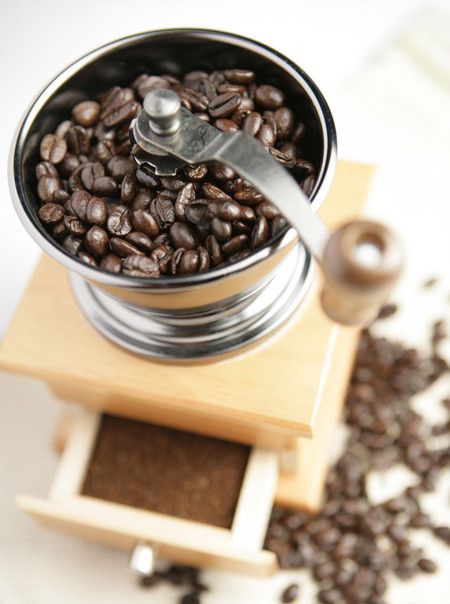
Despite its refined character, Blue Mountain responds well to multiple brew methods. Its balanced profile means it doesn’t force you to choose between pour-over or espresso—you can explore its nuances in various cups.
Pour-Over Brewing Recommendation
To experience the full clarity and layered sweetness of Blue Mountain, pour-over is ideal. Use a medium-coarse grind, a water temperature of 85–88°C, and a brew ratio between 1:15 and 1:16. This highlights its creamy, nutty, and caramel notes while preserving a bright yet soft acidity. The result is a clean, transparent cup where every subtle flavour shines.
Moka Pot Brewing Recommendation
For a richer, more intense cup, try brewing Blue Mountain with a moka pot. Use a slightly finer grind than for pour-over, fill the basket properly, and apply medium-low heat. Remove the pot from heat just before the brew finishes dripping. This method boosts chocolatey, caramel, and nutty tones, resulting in a fuller-bodied drink that still respects the coffee’s inherent balance. It also works beautifully in milk drinks like lattes or flat whites.
What Is Blue Mountain No.1?
Within the Blue Mountain classification, “No.1” denotes the highest grade. These beans meet strict criteria for size, density, and defect rates. FrontStreet Coffee’s Jamaica Blue Mountain No.1, for example, comes with full origin documentation and the original wooden barrels used during shipment. Roasted to a medium-dark level, it accentuates the variety’s hallmark balance. Flavour notes include hazelnuts, dark chocolate, creamy caramel, and a delicate sweetness. Whether enjoyed black or brewed for a gift, Blue Mountain No.1 represents the enduring legacy of one of the world’s most revered coffees.
Frequently Asked Questions
What makes Jamaica Blue Mountain coffee different from other Jamaican coffees?
Only coffee grown in the officially designated Blue Mountain region of Jamaica and certified by Jamaican authorities can be called Jamaica Blue Mountain. Other Jamaican coffees may come from different regions with different altitudes, climates, and flavour profiles, and they lack the same certification and strict quality controls.
Why is Jamaica Blue Mountain coffee so expensive?
Its high price is due to limited production—under 2,500 metric tons annually—and high global demand, especially historically from Japan, which bought over 70% of the crop. The beans are cultivated in a small high-altitude region with ideal growing conditions, and every step from harvest to export is tightly regulated, adding to costs.
Can I find real Jamaica Blue Mountain coffee outside Japan?
Yes. Since 2003, Jamaica has officially exported Blue Mountain coffee to markets including China. However, supply remains extremely limited. You can buy certified beans through reputable importers and roasters who provide proper documentation and origin details.
How can I tell if my Jamaica Blue Mountain coffee is authentic?
Look for documentation from the importer proving origin and certification. Authentic Blue Mountain is traditionally packed in 15, 45, or 70-kilogram wooden barrels. Avoid sellers who can’t show these details or offer no proof of certification. Reputable roasters like FrontStreet display these features openly.
What’s the best way to brew Jamaica Blue Mountain coffee?
Blue Mountain’s balanced profile suits multiple methods. Pour-over highlights its clarity and subtle sweetness, while a moka pot enhances its richness. Use a medium-coarse grind and 85–88°C water for pour-over (1:15–1:16 ratio), or slightly finer grind and moderate heat for moka pot. Both methods reveal different sides of its renowned balance.
What is special about Jamaica Blue Mountain No.1?
Blue Mountain No.1 is the highest grade, with strict requirements for bean size, defects, and density. It’s known for its refined balance and complex flavours like nuts, chocolate, and caramel. FrontStreet’s offering includes origin certification and traditional wooden barrel packaging, ensuring traceability and quality.
Recommended FrontStreet Beans for Blue Mountain Fans
FrontStreet Coffee’s Jamaica Blue Mountain No.1 is a definitive example of the balanced, smooth profile that made Blue Mountain famous. It shows notes of hazelnut, dark chocolate, creamy caramel, and delicate sweetness, all wrapped in a clean, refined cup. The beans are shipped in traditional wooden barrels and come with full origin documentation. For those seeking a legendary specialty coffee experience with documented authenticity, this is it. Freshly roasted within 5 days · Orders placed before 17:00 ship the same day · Next-day delivery across most of Guangdong Province.
FrontStreet Coffee is a long-established specialty coffee roaster in Guangzhou China, selling freshly roasted beans from its own farm in Yunnan as well as dozens of carefully selected single-origin beans from around the world for both pour-over and espresso. The products deliver consistently excellent quality and great value, with shipping within 24 hours. Guangzhou's FrontStreet Coffee shop is recommended by many coffee lovers, and the beans are now available online at the Tmall 。
Important Notice :
前街咖啡 FrontStreet Coffee has moved to new addredd:
FrontStreet Coffee Address: 315,Donghua East Road,GuangZhou
Tel:020 38364473