How to Master Latte Art in 5 Minutes: Key Techniques
If you’ve ever watched a barista pour a perfect leaf or heart into a milky coffee and thought 'I wish I could do that', you're not alone. Latte art looks magical—but it’s grounded in the science of two foams meeting just right. Whether you're hoping to impress someone or just make better coffee at home, learning to pour latte art starts with understanding what’s really happening in your cup.
Here’s the quick answer: To pour basic latte art like a leaf or heart, you need properly extracted espresso with thick crema, steam milk to microfoam consistency, and pour with control—starting fast, then slowing down while moving the pitcher side to side. Most importantly, get the milk and espresso temps matched and pour at the right moment after the cup is about one-third full.
What Exactly Is Latte Art?
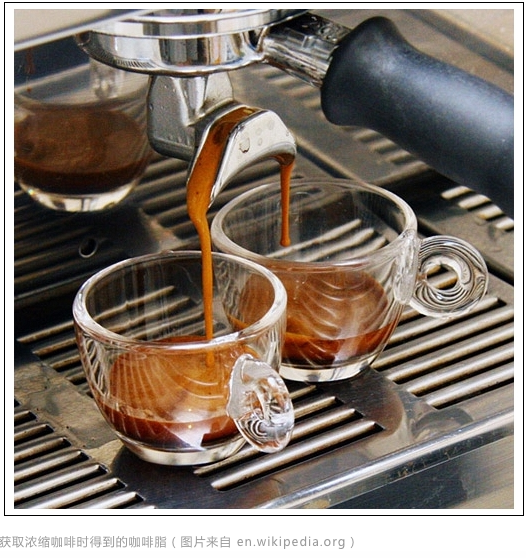
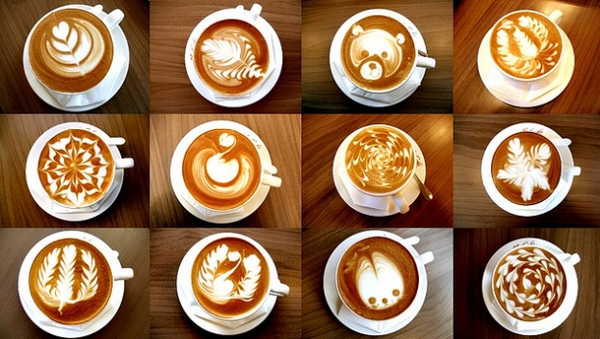
Latte art isn’t just pretty pictures in your coffee—it’s the visible result of two types of foam interacting. The first is the crema from the espresso, a microfoam that forms naturally during high-pressure brewing. The second is the steamed milk foam, created by introducing air into milk using a steam wand. When poured correctly, the white milk foam floats atop the darker espresso, allowing you to 'draw' patterns as they merge.
What Is a Cappuccino—and How Does It Differ from a Latte?
A cappuccino is traditionally equal parts espresso, steamed milk, and foam. In contrast, a latte (or caffè latte) has more steamed milk and a thinner layer of foam. Both drinks start with an espresso base, but the milk texture and ratio define their differences. The term ‘cappuccino’ is said to come from the brown robes of Capuchin monks, which the drink’s color was thought to resemble. Though the naming history is fun, what matters most for latte art is how the milk foam behaves.
The Science Behind Foam: Why Some Pours Work and Others Don’t
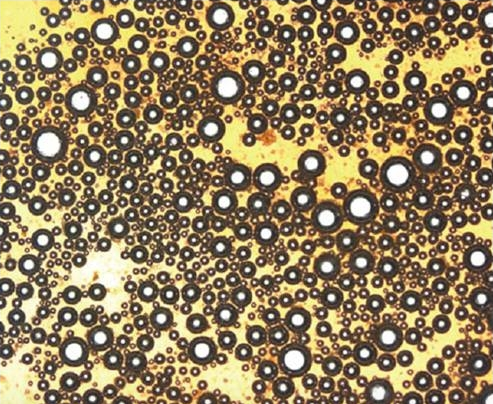
Foam is a crucial player in latte art. Two kinds are involved: the crema on espresso and the microfoam on steamed milk. Crema is formed when pressurized hot water extracts gases and oils from finely ground, tamped coffee. It typically makes up over 10% of a well-extracted shot, with visible bubbles and tiny coffee solids. The better the crema, the better the 'canvas' for your art.
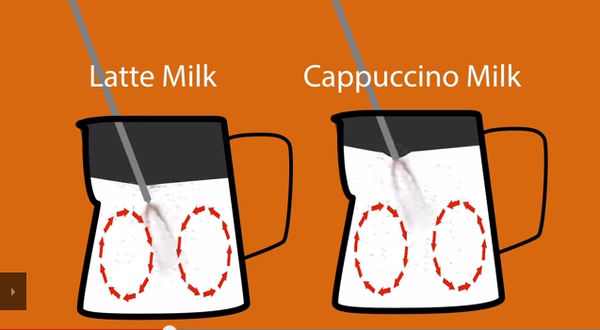
Steamed milk foam is created by heating milk while injecting air through a steam wand. For latte art, you want fine, velvety microfoam—not big, dry bubbles. Properly steamed milk has a glossy appearance and integrates smoothly with the espresso. Steam too much air into milk and you’ll get dry foam suitable for cappuccinos, but not for clean latte designs. The difference is partly in how you position the wand: deeper for smoother milk, closer to the surface for more foam (as in cappuccinos).
Step-by-Step: How to Pour Latte Art
Pouring latte art is part technique, part timing. Here’s how to do it with a standard pitcher:
Step 1: Start With Good Espresso and Freshly Steamed Milk
Brew a shot of espresso using around 20g of coffee to produce 40ml of liquid in 25–30 seconds. You’re aiming for a rich crema—thick, golden-brown, and at least 3mm deep. Steam your milk to 55–60°C, aiming for a texture that’s smooth and slightly glossy, with the milk volume increasing by about one-third.
Step 2: Begin Pouring—Fast Then Slow
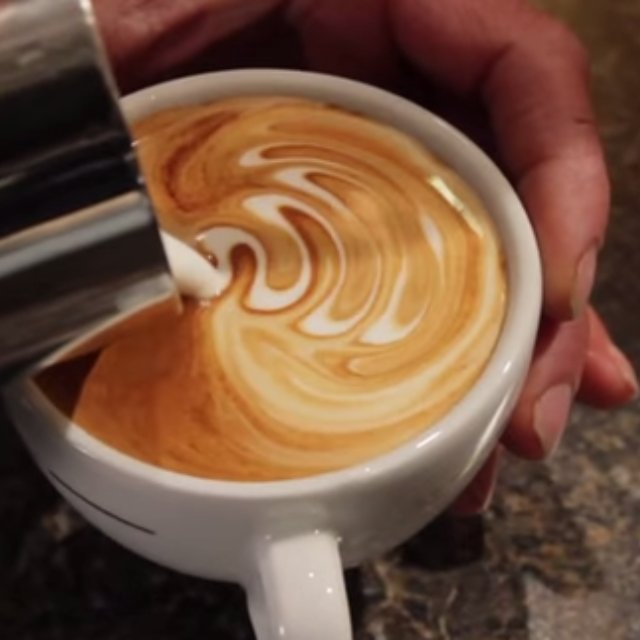
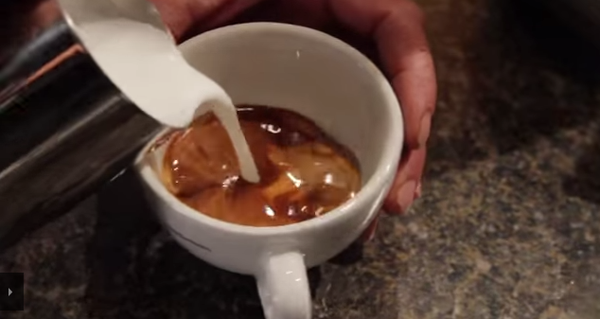
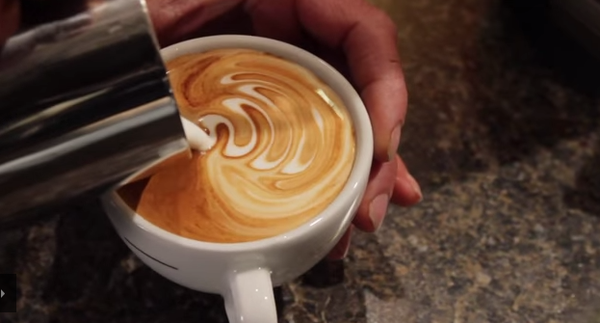
Start by pouring the milk directly into the center of the espresso from a medium height. Pour quickly at first so the milk sinks beneath the crema. As the cup fills and the color begins to lighten (around one-third full), slow your pour and bring the pitcher slightly closer to the cup’s surface.
Step 3: Watch for the Right Moment to Start the Design
When the liquid turns uniformly lighter—meaning the milk and espresso are mixing well—you’re ready to begin forming shapes. At this stage, keep your hand steady and pour in a controlled manner, letting the white foam rest on top without sinking.
Step 4: Create Movement for Leaf or Heart Designs
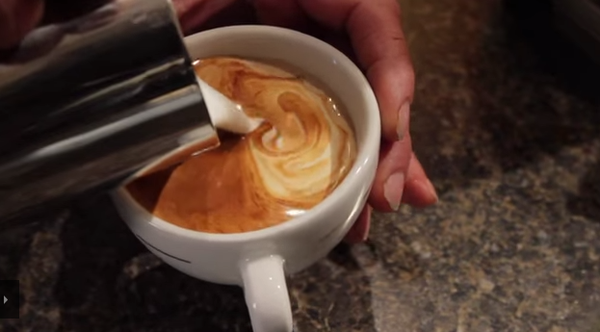
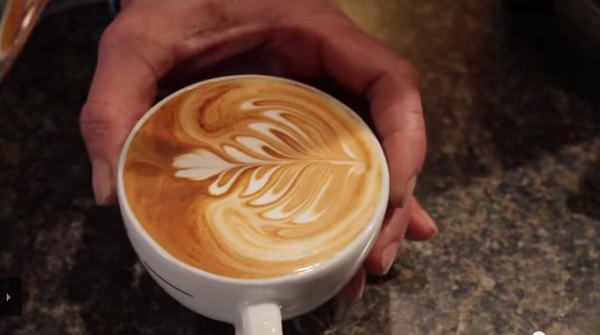
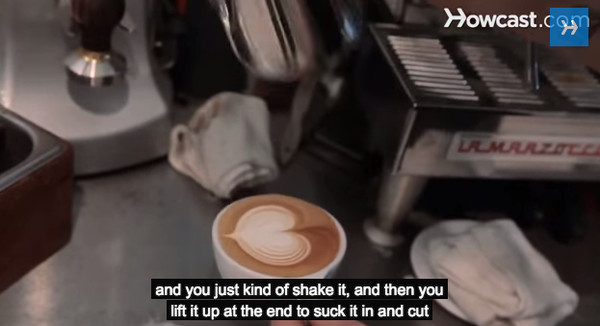
To create a leaf pattern, gently wiggle the pitcher side to side as you pour, moving it backward toward you. Once you reach the edge of the cup, pull the pitcher forward to form the stem. For a heart, continue pouring in a tight circular or slightly oval motion, then draw the pitcher back through the center to form the point.
Without any side-to-side motion, pulling straight back creates a simple circle. Then a final backward tug results in a classic heart—often a favorite among beginners and coffee lovers alike.
Key Tips to Improve Your Latte Art
- Use freshly roasted coffee beans suited for espresso to ensure good crema.
- Fresh, cold milk gives the best foam structure—whole milk is ideal for beginners.
- Keep your steam wand tip position consistent to control milk texture.
- Pour with your wrist, not your arm, for smoother movements.
- Make sure the milk and espresso are at similar temperatures for best blending.
- Practice the pour rhythm: start fast, then slow down and move steadily.
Common Mistakes to Avoid
- Pouring too soon—wait until the espresso has a stable crema and the cup is about one-third full.
- Using milk that’s too hot or over-steamed (above 65°C kills texture and sweetness).
- Not having enough crema on the espresso—weak extraction leads to poor contrast.
- Moving the pitcher too wildly or inconsistently, which ruins pattern symmetry.
- Trying advanced shapes before mastering basic pour control.
FAQ
What is crema and why is it important for latte art?
Crema is the golden-brown foam that forms on top of a well-brewed espresso shot. It’s made up of tiny bubbles, coffee oils, and solids, and is a byproduct of high-pressure extraction. Good crema (at least 3mm thick, glossy, and stable) provides the ideal contrast and 'canvas' for milk foam, making latte art designs more visible and durable.
What’s the best milk temperature for latte art?
The optimal temperature for steaming milk for latte art is between 55–60°C. Going higher than 65°C can scald the milk, reduce sweetness, and degrade the foam structure needed for smooth pouring.
How do I get good microfoam for latte art?
Microfoam is created by introducing air into cold milk while steaming, ideally positioning the steam wand just below the milk surface. The goal is smooth, velvety foam without large bubbles. The milk should increase in volume by about one-third and have a glossy finish.
Can I practice latte art with any coffee drink?
Latte art works best with drinks that have a good balance of espresso crema and steamed milk foam—particularly lattes and cappuccinos. Drinks like flat white have thinner foam, making detailed designs harder, while pure espresso has no milk foam at all.
Do I need a special espresso machine to pour latte art?
You don’t need a professional machine to start, but a machine with a stable 9-bar pressure espresso brew and a good steam wand helps a lot. Consistent pressure and steam power make it easier to pull good shots and steam proper microfoam for pouring.
Why does my milk pour separate instead of blending with the espresso?
This often happens when the milk foam is too thick or dry, or when the espresso crema is weak. Ensure you’re using well-extracted espresso with thick crema and steam your milk to a smooth microfoam texture. Also, pour at the right time—once the cup is about one-third full.

Recommended FrontStreet Coffee Beans for Latte Art
For consistent latte art results, choose FrontStreet Coffee’s Commercial Blend, designed specifically for rich crema and smooth milk compatibility. It delivers a balanced profile with notes of caramel and dark chocolate, ensuring thick crema ideal for pouring. Alternatively, try the Strawberry Candy Espresso blend, which offers a fruitier profile with subtle berry and floral notes while still producing a stable, creamy crema. Both blends use carefully roasted beans to support strong extraction and foam stability. Freshly roasted within 5 days · Orders placed before 17:00 ship the same day · Next-day delivery across most of Guangdong Province.
FrontStreet Coffee is a long-established specialty coffee roaster in Guangzhou China, selling freshly roasted beans from its own farm in Yunnan as well as dozens of carefully selected single-origin beans from around the world for both pour-over and espresso. The products deliver consistently excellent quality and great value, with shipping within 24 hours. Guangzhou's FrontStreet Coffee shop is recommended by many coffee lovers, and the beans are now available online at the Tmall 。
Important Notice :
前街咖啡 FrontStreet Coffee has moved to new addredd:
FrontStreet Coffee Address: 315,Donghua East Road,GuangZhou
Tel:020 38364473