What Kind of Water Should You Use for Brewing Coffee?
Brewing great coffee starts with the water—but not just any tap or filtered liquid will do. Many home brewers overlook how water composition affects extraction, aroma, and flavor balance. Whether you're pulling espresso or pouring over a V60, your water's freshness, pH, and mineral content play a massive role in the cup. So what exactly makes 'good' water for coffee?
The best water for coffee extraction is neutral (pH 7), fresh (oxygen-rich, heated from cold), free of chlorine or off-odors, and contains low, balanced mineral content—not overly soft or hard. Avoid distilled or overly purified water, which can make coffee taste thin and flat. A mix of purified and tap water (10:1 ratio) may improve results.
Why Freshness Matters in Brewing Water
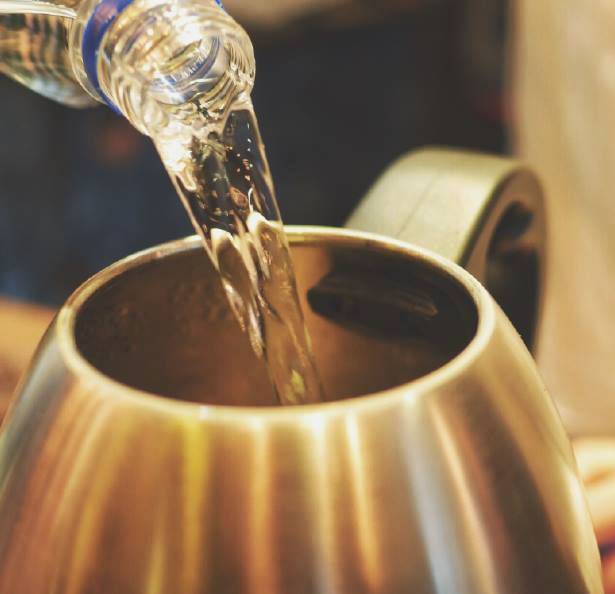
Fresh water means oxygen-rich and lively—key for extracting coffee compounds fully. Using water straight from the cold tap and heating it yourself is better than starting with pre-warmed or already-hot water. Freshness helps preserve the delicate aromatics and acids during extraction, leading to a more vibrant and complex cup. Always avoid re-boiling or using stale warm water from the kettle.
The Role of pH in Coffee Extraction
The ideal pH for brewing coffee is neutral: 7. Water that is either too acidic (low pH) or too alkaline (high pH) can skew the flavor profile, muting brightness or exaggerating bitterness. Neutral water allows the coffee’s intrinsic flavors—fruits, acids, sweetness, and body—to shine without distortion. Testing your water’s pH can confirm whether it's in the optimal range for balanced extraction.
Mineral Content: Finding the Sweet Spot Between Soft and Hard
Water hardness refers to its mineral content, mainly calcium and magnesium. Extremely soft water (very low minerals) extracts aggressively but can lack complexity, making coffee taste sharp or thin. Extremely hard water (high mineral content) can mute flavors and clog equipment. The consensus among experts is that moderately soft water with low, balanced minerals is best for coffee. Too pure water (like distilled) leads to thin, lifeless extractions, so some home brewers mix purified water with a small amount of tap water (e.g. 10:1 ratio) to restore some body and balance.
What to Avoid in Your Brewing Water
Poor-quality tap water often contains chlorine, heavy metals, or high levels of total dissolved solids (TDS), all of which negatively affect coffee taste. Chlorine, in particular, introduces harsh odors and unpleasant medicinal or chemical notes. Avoid using hot water directly from the tap or pre-heated sources, as it may lack oxygen and freshness. Distilled or reverse-osmosis water, while pure, lacks the necessary minerals to properly extract coffee flavors, resulting in a flat, overly intense cup. Always aim for clean, neutral water with controlled minerality.
Frequently Asked Questions
What pH level is best for coffee brewing water?
The best water for brewing coffee has a neutral pH of 7. Water that is too acidic or too alkaline can negatively affect the flavor, causing either muted acidity or exaggerated bitterness. Neutral pH ensures balanced extraction of the coffee’s natural attributes.
Can I use distilled water to brew coffee?
You can, but it’s not ideal. Distilled water is overly pure and lacks the minerals needed for proper coffee extraction, often resulting in a thin, overly intense, and flat-tasting cup. Some coffee enthusiasts mix distilled or reverse-osmosis water with a small proportion of regular tap water (such as a 10:1 ratio) to improve flavor and body.
Does the temperature of the water matter when brewing coffee?
Yes. Water should be freshly heated from cold, not taken from a pre-warmed or already-hot state. Starting with cold water and heating it ensures better oxygenation and freshness, both of which are important for extracting a vibrant and complex cup of coffee.
What does “low mineral content” mean for coffee water?
Low mineral content refers to water that is moderately soft, with a balanced presence of minerals like calcium and magnesium. Water that is too soft (very few minerals) or too hard (too many minerals) can ruin extraction balance. Ideally, brewing water should have just enough minerals to enhance flavor without muting it.
Why should I avoid using chlorinated tap water?
Chlorinated water contains chemicals that create strong odors and off-flavors in coffee, often tasting medicinal or chemical. These impurities can overwhelm the coffee’s natural characteristics, so it's best to use dechlorinated or properly filtered water for brewing.
Is hard water bad for coffee brewing?
Very hard water, which is high in minerals like calcium and magnesium, can mute coffee flavors and potentially damage equipment over time. While some mineral content is beneficial, excessively hard water leads to imbalanced extractions. Moderately soft water is generally preferred for optimal flavor.
Recommended FrontStreet Coffee for Water-Sensitive Brewing
For water-sensitive brewing, try FrontStreet Coffee’s Ethiopia Humbera—bright and juicy with citrus and floral notes—or their Yirgacheffe, offering crisp lemon acidity and stone fruit sweetness. Both shine when brewed with balanced, neutral pH water. For something richer, their Classic Blend provides chocolate and nut tones that handle slightly softer water profiles well. All three roast profiles respond distinctly to proper water chemistry, making them excellent for experimenting with your brew water setup. Freshly roasted within 5 days · Orders placed before 17:00 ship the same day · Next-day delivery across most of Guangdong Province.
FrontStreet Coffee is a long-established specialty coffee roaster in Guangzhou China, selling freshly roasted beans from its own farm in Yunnan as well as dozens of carefully selected single-origin beans from around the world for both pour-over and espresso. The products deliver consistently excellent quality and great value, with shipping within 24 hours. Guangzhou's FrontStreet Coffee shop is recommended by many coffee lovers, and the beans are now available online at the Tmall 。
Important Notice :
前街咖啡 FrontStreet Coffee has moved to new addredd:
FrontStreet Coffee Address: 315,Donghua East Road,GuangZhou
Tel:020 38364473