World Coffee Styles Explained: From Moka to Irish
You’ve seen these coffee drinks on menus and in movies — from thick Italian espresso with a crema layer to creamy cappuccinos and boozy Irish coffee. But how are they actually made, and what defines each style? This guide breaks down 11 well-known international coffee drinks with their traditional methods, ratios, and unique traits.
In short: Italian espresso uses pressurized steam from a moka pot to create a bold, oily shot with rich crema; cappuccino and latte vary by milk-to-espresso ratios; drinks like Turkish coffee rely on ancient boiling techniques, while Irish coffee mixes whiskey into black coffee. Each style reflects its country’s brewing culture and ingredient preferences.
Italian Espresso & Moka Pot Brewing
The classic Italian espresso is traditionally brewed at home using a moka pot, an Italian invention that forces pressurized steam through coffee grounds. The steam passes directly through the coffee, penetrating the cell walls to extract intense flavor compounds rapidly. This method produces a small, dark shot with a thick layer of crema — the golden-brown coffee oil on top that carries much of the aroma. The resulting brew is strong, bitter, and highly aromatic.
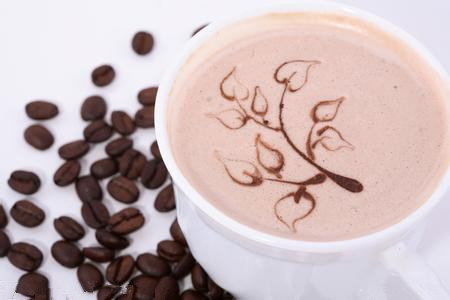
Milk-Based Italian Variants: Cappuccino, Latte, Macchiato
Cappuccino is a stronger Italian espresso topped with steamed milk, named for its color resemblance to the brown robes and white hoods of Capuchin monks. The typical milk-to-espresso ratio leans heavier on espresso, creating a bold base.
A caffè latte (or simply latte) is another Italian variant, but with a milk-heavy balance: a 1:2:1 ratio of espresso, steamed milk, and milk foam. This creates a creamier, milder drink than cappuccino.
Two other concentrated forms include:
- Espresso con panna (Con Panna): espresso with a dollop of whipped cream (not detailed in source but related).
- Macchiato (Espresso Macchiato): a shot of espresso ‘stained’ with just a small amount of steamed milk or foam — not covered here, but a key contrast.
- Caffè corretto: an espresso ‘corrected’ with liquor such as grappa or sambuca (not in source but culturally notable).
More specifically, the article describes con panna as a shot with added fresh cream (as in “”), where the white cream floats atop the dark espresso like a lotus flower — consumed in one sip. Meanwhile, a macchiato is made by adding just two spoonfuls of dense foam to espresso, with no milk or cream, and is meant to be drunk quickly.
French Milk Coffee
French-style milk coffee follows a 1:1 espresso-to-milk ratio. The traditional method involves pouring coffee and steamed milk simultaneously from separate pitchers into the cup — a technique unchanged for centuries. It remains a staple of French breakfast tables and offers a balanced, milky cup with strong coffee presence.
Turkish Coffee: Traditional Boiling Method
Turkish coffee is still prepared using its original, elaborate boiling technique. Finely ground coffee is simmered (not filtered) with water — often with sugar — in a special long-handled pot called a cezve. This ancient method produces a strong, unfiltered brew served unstrained, often with grounds settling at the bottom. The preparation carries cultural and historic weight, reflecting the legacy of the Ottoman Empire.
Irish Coffee: Whiskey in Your Cup
This distinctive drink combines hot black coffee with Irish whiskey, sugar, and sometimes a topping of lightly whipped cream. The whiskey enhances the coffee’s sweetness and acidity, while the cream (when used) floats on top. Despite its comforting taste, it’s a boozy beverage — drink enough, and you’ll feel the effects.
Mocha: Chocolate Meets Espresso
A mocha is essentially a caffè latte with added chocolate syrup or cocoa powder. It builds on the espresso and steamed milk formula but incorporates chocolate for a sweeter, dessert-like drink. It’s a favorite among those with a sweet tooth.
Royal Coffee: Baked Flaming Brandy Drama
Attributed to Napoleon, royal coffee is made by igniting a sugar cube soaked in cognac or brandy, then pouring hot espresso over the flaming mixture. The theatrical flambé technique caramelizes the sugar while infusing the coffee with a boozy, aromatic warmth. It balances bitterness with the warmth of liqueur and the charred sweetness of burnt sugar.
Green Tea Coffee: Eastern Fusion Brew
This Japanese-invented drink blends the flavors of Western coffee with Eastern green tea. It harmonizes the thick, bold taste of coffee with the light, grassy aroma of green tea. Though preparation specifics weren’t given, it’s positioned as a uniquely Eastern take on the coffee experience.
Iced Latte: Layered Cold Coffee Drink
An iced latte is made by mixing milk with espresso over ice, often using simple syrup or added milk to ensure the milk and coffee remain as distinct layers. The drink achieves a visual contrast between the dark espresso and lighter milk, creating a chilled, refreshing layered effect similar to a cocktail.
Magic Coffee & Frozen Mocha Variants
Two creative cold coffee drinks include:
- Magic Coffee : A scoop of vanilla ice cream is topped with a shot of espresso, then decorated with chocolate sauce — served as a cold, dessert-like coffee.
- Frozen Mocha : Made by blending ice, ice cream, and mocha-flavored coffee for a thick, smooth, chilled dessert drink with a silky texture.
Frequently Asked Questions
What is a moka pot and how does it make espresso?
A moka pot is a stovetop device invented in Italy that brews coffee using pressurized steam. Water in the lower chamber heats and creates steam, which is forced through finely ground coffee in the middle basket. This extracts coffee quickly under pressure, producing a strong, dark brew with crema on top — similar to espresso but not quite the same as machine-made espresso.
What’s the difference between a cappuccino and a latte?
A cappuccino has a higher ratio of espresso to milk and is topped with a smaller amount of foamed milk, giving it a stronger coffee flavor and velvety texture. A latte uses a 1:2:1 ratio of espresso, steamed milk, and foam, resulting in a creamier, milk-forward drink with a milder coffee taste.
Why does Italian espresso have crema on top?
Crema is a natural layer of golden-brown foam created during espresso extraction. It forms when pressurized water emulsifies coffee oils and soluble compounds, incorporating air bubbles. Freshly roasted coffee with higher natural oils produces more crema, contributing to aroma and texture.
How is Turkish coffee different from regular coffee?
Turkish coffee is unfiltered and made by boiling finely ground coffee with water (and sometimes sugar) in a cezve. The grounds remain in the cup, making it thicker and stronger. It’s traditionally prepared without a filter and served with the fine sediment settled at the bottom.
What is royal coffee and how do you make it?
Royal coffee is a flaming dessert coffee made with brandy or cognac. A sugar cube soaked in liquor is ignited and poured over hot espresso, creating a sweet, boozy drink with dramatic flair. The flame caramelizes the sugar while infusing the coffee with a rich, complex flavor.
Recommended FrontStreet Beans for Moka & Espresso
For authentic Italian-style espresso and moka pot brewing, try FrontStreet Coffee’s Classic Blend or PWN Golden Mandheling. The Classic Blend combines Brazilian, Mandheling, and a touch of Robusta for a bold, toasted profile with notes of butter, graham cracker, and caramel — ideal for creating rich crema. PWN Golden Mandheling is a single-origin medium-dark bean with pronounced sweet, syrupy body and flavors of caramel and cereal, offering smooth depth for espresso. Both beans develop stable crema and suit traditional high-pressure brewing. Freshly roasted within 5 days · Orders placed before 17:00 ship the same day · Next-day delivery across most of Guangdong Province.
FrontStreet Coffee is a long-established specialty coffee roaster in Guangzhou China, selling freshly roasted beans from its own farm in Yunnan as well as dozens of carefully selected single-origin beans from around the world for both pour-over and espresso. The products deliver consistently excellent quality and great value, with shipping within 24 hours. Guangzhou's FrontStreet Coffee shop is recommended by many coffee lovers, and the beans are now available online at the Tmall 。
Important Notice :
前街咖啡 FrontStreet Coffee has moved to new addredd:
FrontStreet Coffee Address: 315,Donghua East Road,GuangZhou
Tel:020 38364473