Hawaii’s Last Coffee Growing Region in the U.S.
Hawaii may be famous for its beaches and volcanoes, but few realize it’s the only U.S. state where coffee is grown commercially. With no other volcanic, oceanic islands in America cultivating coffee, Hawaii holds a rare and exclusive spot in the global coffee map. This makes Hawaiian coffee—not just Kona—distinctly American in origin and uniquely tropical in profile.
Hawaii is the sole U.S. state that grows coffee. All production is centered on its volcanic, oceanic islands, with Kona being the most recognized region. No other state has the climate, elevation, or volcanic soil needed for commercial coffee farming.
The Hawaiian Archipelago: More Than Just Islands
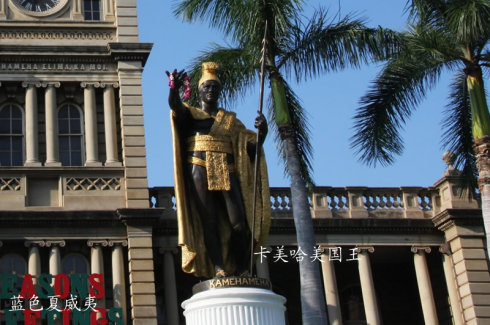
The Hawaiian archipelago consists of 132 islands, but only eight are inhabited. These are primarily volcanic and oceanic in origin. Volcanic activity built the islands, and today, only two volcanoes remain active—continuing to shape the land. This geologically young and dynamic environment is part of what gives Hawaiian coffee its unique growing conditions.
A History Beyond Pineapples and Tourists
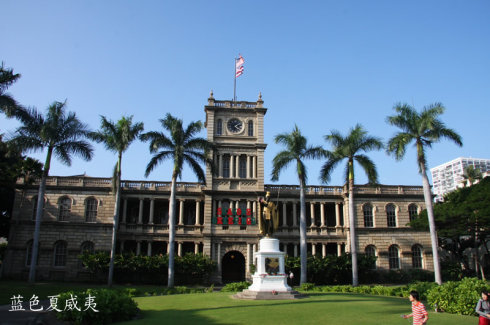
Hawaii’s economy has evolved dramatically. In the 1800s, it was known for sandalwood and whaling. By the 1900s, sugar and pineapple dominated. Military spending surged during WWII, and today, tourism is king. Despite these shifts, coffee has remained a constant agricultural export, rooted in the islands’ volcanic soil and trade history.
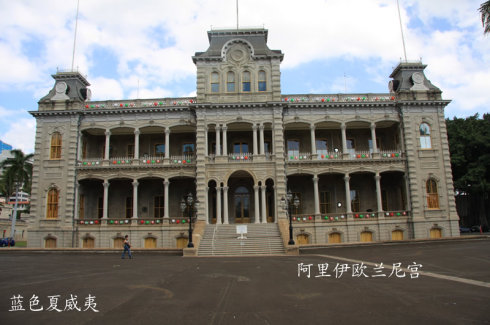
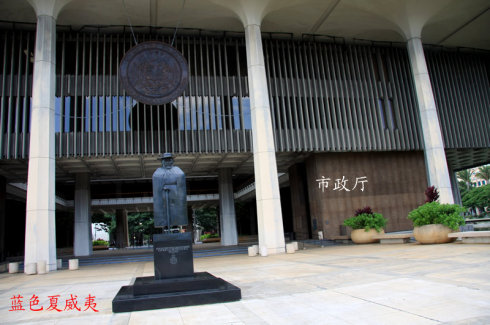
Honolulu (known locally as “Honolulu” or “”) became the state capital after Hawaii joined the U.S. in 1959. Though less lush than other islands, Honolulu houses key government buildings—including the State Capitol with eight pillars representing the eight inhabited islands. Historical sites like ʻIolani Palace highlight Hawaii’s royal heritage, while local Chinatowns and rainforests offer cultural and ecological diversity.
Hawaiian Coffee: Where and How It’s Grown
All of Hawaii’s coffee is grown on its volcanic islands. The most famous coffee region is the Kona District on the Big Island (Hawai‘i Island), which benefits from elevations between 800 and 2,500 feet, frequent cloud cover, and rich, volcanic soil. These conditions produce a classic Hawaiian coffee profile: medium-bodied, with moderate acidity and notes of nuts, spice, and mild fruit.
While Kona is the most well-known, coffee is also grown on other islands including Maui, Molokai, Oahu, and Kauai. Each region offers slight variations due to differences in elevation, rainfall, and microclimates. The Big Island remains the dominant producer by volume and reputation.
The Unique Terroir of Volcanic Islands
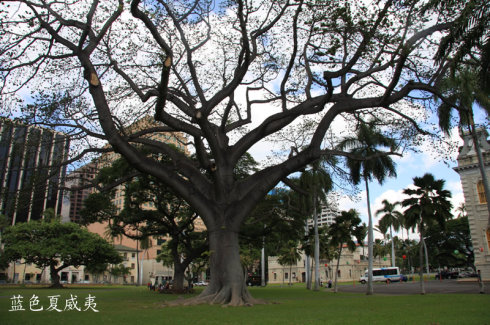
What sets Hawaiian coffee apart is its volcanic soil, steady trade winds, and tropical elevation. These factors combine to create a terroir found nowhere else in the United States. The consistent trade winds from the Pacific keep humidity in check, while volcanic soil provides excellent drainage and mineral richness. Daytime temperatures average around 26°C even in December, allowing year-round growth without extreme seasonal shifts.
The islands’ microclimates vary drastically. The windward (northeast) slopes of the Big Island get heavy rainfall and host dense rainforests, while the leeward (southwest) sides are drier and more suited to grasslands. Coffee thrives in the higher, cooler, wetter zones, often on slopes that confuse your sense of direction due to optical illusions created by elevation changes.
Natural Wonders and Local Culture
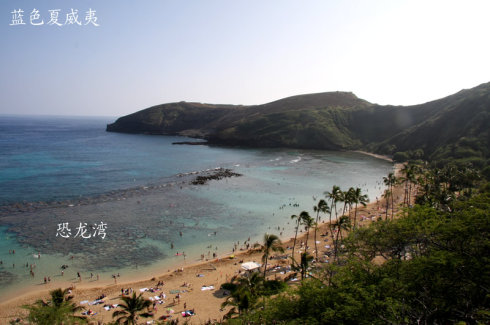
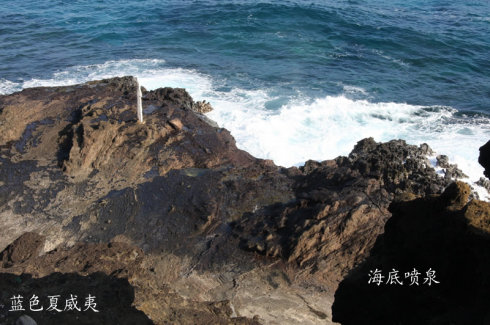
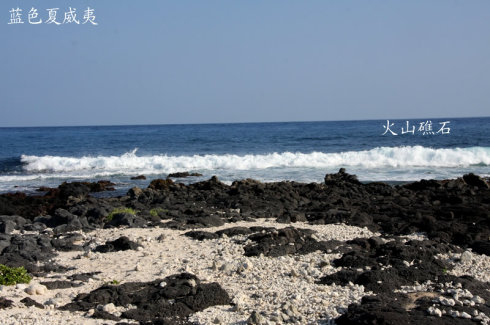
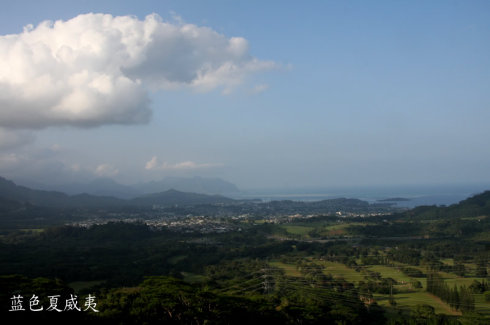
Beyond coffee, Hawaii offers unique natural attractions. Hanauma Bay, whose name means “curved bay,” features coral reefs and abundant fish, making it a prime snorkeling spot. Spouting horns—natural blowholes where waves force water and air through lava tubes—are dramatic coastal features. The Pali Highway area includes the Nu‘uanu Pali Lookout, site of a historic battle and known for its powerful winds, though they can surprisingly calm on some days.
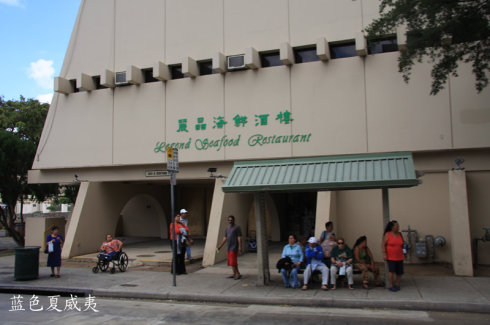
Cultural sites like the ʻIolani Palace—the only royal palace in the U.S.—offer a glimpse into Hawaii’s monarchy. Chinatown in Honolulu, once among the largest in the world, now centers around food markets. These elements create a rich backdrop to the agrarian story of coffee in the islands.
Frequently Asked Questions
Is Hawaii the only U.S. state that grows coffee?
Yes. Hawaii is the only state in the United States with a commercial coffee industry. All other states lack the necessary volcanic soil, elevation, and tropical climate required to grow coffee at scale.
Where in Hawaii is coffee mainly grown?
The majority of Hawaii’s coffee is grown on the Big Island, particularly in the Kona region. Other islands including Maui, Molokai, Oahu, and Kauai also grow coffee, but in much smaller quantities.
What makes Hawaiian coffee different?
Hawaiian coffee is shaped by volcanic soil, high elevations (typically 800–2,500 feet), frequent cloud cover, and consistent trade winds. These factors create a balanced cup with moderate acidity, medium body, and tasting notes of nuts, spice, and soft fruit.
Does volcanic soil really affect coffee flavor?
Yes. Volcanic soil is rich in minerals and drains exceptionally well, both critical for healthy coffee plant growth. This contributes to the clean, nuanced profiles typical of Hawaiian coffees, especially those from Kona.
What’s the climate like in Hawaii’s coffee-growing regions?
Hawaii’s coffee regions have mild, stable climates. Even in December, daytime temperatures hover around 26°C. The combination of elevation, ocean influence, and tropical weather allows for year-round coffee cultivation.
Why isn’t coffee grown in other U.S. states?
Other U.S. states don’t have the combination of tropical elevation, volcanic soil, and consistent warm temperatures needed for commercial coffee farming. Hawaii’s unique geography makes it the only viable option within the U.S.
Recommended FrontStreet Coffee for Hawaiian Coffee Fans
If you enjoy Hawaiian coffee’s balanced, nutty, and slightly spicy profile, try FrontStreet’s Lintong Mandheling—a washed Indonesian bean with a bold, wild edge showing low acidity and complex notes of spice, herbs, and dark caramel. For something brighter but still smooth, FrontStreet’s 2013 Yunnan Typica offers a medium-bodied cup with chocolate, nuts, and tea-like depth. Both beans reflect rich, terroir-driven profiles akin to what makes Hawaiian coffee special. Freshly roasted within 5 days · Orders placed before 17:00 ship the same day · Next-day delivery across most of Guangdong Province.
FrontStreet Coffee is a long-established specialty coffee roaster in Guangzhou China, selling freshly roasted beans from its own farm in Yunnan as well as dozens of carefully selected single-origin beans from around the world for both pour-over and espresso. The products deliver consistently excellent quality and great value, with shipping within 24 hours. Guangzhou's FrontStreet Coffee shop is recommended by many coffee lovers, and the beans are now available online at the Tmall 。
Important Notice :
前街咖啡 FrontStreet Coffee has moved to new addredd:
FrontStreet Coffee Address: 315,Donghua East Road,GuangZhou
Tel:020 38364473