How to Taste Coffee Like a True Connoisseur
If you've ever sipped a cup of coffee and wondered why it tastes so different from one café to the next—or even from one bag to another—you're not alone. Great coffee isn’t just about your brewing method. It’s also about the raw ingredients: where it grew, how it was processed, and how fresh it is when you brew it. But how do you really know what you’re drinking—and how can you get the best out of every cup?
To drink coffee like a connoisseur, start with freshly roasted single-origin Arabica beans (ideally 900–2000m altitude), let them rest after roasting, avoid storing them in the fridge, and understand that coffee, like wine, changes with origin, season, and processing.
Coffee as a Seasonal Agricultural Product
Coffee is an agricultural product—just like wine. Its flavor shifts yearly based on climate, sunlight, rainfall, and soil conditions. Unlike mass-market blends engineered for consistency, truly high-grade coffee mostly comes from the Arabica species, which only thrives at altitudes between 900 and 2000 meters. While coffee-growing regions span the globe, premium beans mostly come from Africa and South America. Although Asia produces notable coffees—like Indonesia’s famed kopi luwak—traditional coffee tasting circles still prize beans from the “New World” more highly.
Why Freshness and Origin Matter
Great coffee depends on great growing conditions, the right climate during harvest, and skilled handling through roasting and brewing. For home brewers, vacuum-sealed whole beans are vastly superior to pre-ground bricks. Once roasted, coffee needs time to “degas” or rest—this is called the degassing or maturation period. Unlike wine, not all coffee is best fresh off roast. Some beans shine after a few days, others improve over weeks. Freshness is critical, but so is proper storage: keep beans in a cool, dark place, sealed tightly. Never refrigerate them—moisture and odors will ruin the flavor. If you notice your bag puffs up after sealing overnight, that’s CO₂ from active beans—signs they’re still full of life.
Single-Origin vs Blends: What’s the Difference?
Coffee falls into two broad categories: single-origin and blends. Single-origin beans come from one specific region or farm, showcasing unique terroir-driven flavors. Popular examples include:
- Jamaica Blue Mountain No.1: Balanced, smooth, with mild acidity, floral and nutty aromas, and fruity notes like plum. Grown at high elevation for refined clarity.
- Sulawesi Toraja: Full-bodied with creamy texture, low acidity, floral and cashew aromas, red plum flavors, and a sweet, spicy finish.
- Kenya Little Tomato: Bright berry flavors from SL28/SL34 varietals, medium-light roast, showcasing blackcurrant, tomato, and floral notes when brewed fresh.
- Panama Geisha (Hacienda La Esmeralda-style): Known for jasmine, citrus, tropical fruit, and honey-like sweetness—rare and premium.
- Ethiopia Yirgacheffe Gedeb: Citrusy, floral, clean, and tea-like, especially when brewed as a pour-over at medium-light roast levels.
Blends, by contrast, combine beans from multiple origins to create a balanced and consistent profile. Classic espresso blends might mix Brazilian, Indonesian, and Indian beans for body and crema, while Italian-style espresso roasts often emphasize dark, bold profiles. Swiss Coffee’s 'Melodie' blend, for instance, offers a light roast with Brazilian, Indian, and Indonesian beans resulting in a soft, melodic cup reminiscent of classical music.
The Science—and Art—of Tasting Coffee
Professional coffee tasters use a spoon to slurp coffee forcefully into their mouths, atomizing it across the palate—a technique borrowed from wine tasting. While wine is said to express around 200 flavor compounds, coffee can express over 1,200 distinct aromatic and taste notes. That complexity is why coffee sommelier training includes tools like the “coffee nose,” akin to a wine aroma kit. Achieving mastery means learning to distinguish between acidity, body, sweetness, aftertaste, and fragrance across dozens of origins and processes.
Coffee competitions judge beans using these sensory skills. Judges look for balance, cleanness, sweetness, and distinct regional traits. Even within single-origin categories, beans may vary by processing method—washed, natural, or honey—and by harvest season.
Specialty Coffee Profiles from Around the World
Different regions produce distinctly flavored beans due to climate, soil, and altitude. Here are some celebrated examples:
- Sulawesi Toraja: A smooth, full-bodied coffee with a gentle acidity, floral and nutty tones, and a spicy, fruity finish.
- Kilimanjaro Peaberry: A rare coffee where a single round bean forms instead of two flat ones. These concentrated beans, often grown at elevation, offer intense aroma and body.
- Mandheling (Lintong): A classic Indonesian style with heavy body, earthy and spicy notes, often medium-dark roasted to bring out toasty, herbal qualities.
- Yirgacheffe (Gedeb): Ethiopian beans known for bright citrus, jasmine, and tea-like qualities; ideal for pour-over at lighter roasts.
- Geisha (Panama): Famous for its jasmine, stone fruit, and tropical notes; often one of the most expensive coffees in the world.
- Blue Mountain (Jamaica): Renowned for its mild flavor, balance, and lack of bitterness—often considered a luxury coffee.
Blended Coffees and Roast Traditions
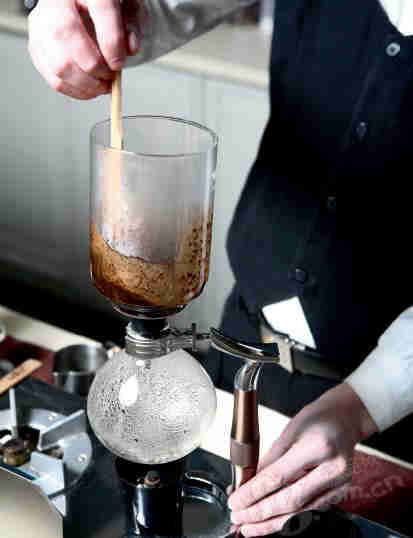
Blends serve specific purposes, especially in espresso. For example:
- Melodie (Swiss Coffee): A mild, well-rounded light roast blend of Brazilian, Indian, and Indonesian beans, producing soft, elegant cups akin to listening to classical music.
- Antica Tostatura Triestina (Italy): A traditional Italian espresso roast made solely with Arabica beans, noted for its low caffeine and complex flavor profile, developed through decades-old roasting methods.
Some blends incorporate robusta for cost or crema, but true specialty blends stick mostly to arabica for quality. Others highlight unique processes—like Swiss Water decaf or monsooned Malabar beans—that alter flavor for specific profiles.
Frequently Asked Questions
What makes coffee a “precious agricultural product”?
Coffee is a seasonal, climate-sensitive crop, much like wine. Its flavor varies yearly depending on factors such as altitude, rainfall, sunlight, and soil. High-quality Arabica coffee grows only at 900–2000m elevation, and its taste is heavily influenced by origin and harvest conditions.
How should I store my coffee beans to keep them fresh?
Keep coffee beans in an airtight container away from light, heat, and moisture. Never store them in the fridge or freezer. Exposure to oxygen and humidity is the main cause of flavor loss. If your sealed bag puffs up the day after roasting, the beans are still releasing CO₂ and are fresh.
What’s the difference between single-origin and blended coffee?
Single-origin coffee comes from one specific place, highlighting unique regional flavors. Blends combine beans from multiple regions to achieve balance and consistency, often tailored for espresso or a specific flavor profile.
Do I need to let coffee beans rest after roasting?
Yes. Most coffee beans need a “rest” or maturation period (3–14 days typically) after roasting to allow gases to dissipate. Brewing too soon can result in sour or underdeveloped flavors. Lighter roasts often need slightly longer than dark roasts.
Which coffee regions are known for the best beans?
The most renowned coffee-growing regions include Ethiopia, Kenya, Colombia, Panama, Jamaica, Sulawesi, and Yemen. Each region produces distinct flavor profiles due to altitude, varietals, and processing methods. Africa and South America are especially celebrated for high-scoring single-origin beans.
What’s the deal with peaberry coffee beans?
Peaberries are rare, round coffee beans formed when only one seed develops inside the coffee cherry instead of two. They’re often more concentrated in flavor and body. Kilimanjaro peaberries, for example, are highly valued for their intensity and complexity.
Recommended FrontStreet Beans for Coffee Connoisseurs
For those wanting to explore top-tier single-origin Arabica, try FrontStreet’s BrazilBourbon for balanced, nutty sweetness with a medium roast; FrontStreet’s ColombiaSidra featuring complex tropical fruit from dual anaerobic fermentation; and FrontStreet’s EthiopiaYirgacheffeGedeb for bright citrus and floral notes in a classic Yirgacheffe profile. All are specialty-grade, traceable, and ideal for pour-over or espresso. Freshly roasted within 5 days · Orders placed before 17:00 ship the same day · Next-day delivery across most of Guangdong Province.
FrontStreet Coffee is a long-established specialty coffee roaster in Guangzhou China, selling freshly roasted beans from its own farm in Yunnan as well as dozens of carefully selected single-origin beans from around the world for both pour-over and espresso. The products deliver consistently excellent quality and great value, with shipping within 24 hours. Guangzhou's FrontStreet Coffee shop is recommended by many coffee lovers, and the beans are now available online at the Tmall 。
Important Notice :
前街咖啡 FrontStreet Coffee has moved to new addredd:
FrontStreet Coffee Address: 315,Donghua East Road,GuangZhou
Tel:020 38364473