Vienna’s Coffee Culture: History, Rituals, and Iconic Cafés
Ask anyone what defines Vienna beyond its imperial architecture and classical music, and the answer often circles back to its coffeehouses — those centuries-old sanctuaries where people sip, read, debate, and linger for hours. These aren’t just places to grab a quick caffeine hit; they’re cultural institutions woven into the city’s identity. But what makes Vienna’s coffee scene so unique? And how did it all begin?
Quick answer: Vienna’s coffee culture dates back to 1683, when Polish spy Jerzy Franciszek Kulczycki used Turkish war spoils to open the city’s first coffeehouse. Today, the city boasts dozens of historic cafés serving over 40 distinct coffee drinks — with the creamy, milky Melange as its most iconic brew. Every order still comes with a complimentary glass of local water.
The Origins of Coffee in Vienna
Vienna’s love affair with coffee began in the 17th century, long after it had become a daily staple in Islamic cities. In 1683, during the Second Turkish Siege of Vienna, Austrian Emperor Leopold I and Polish King Augustus II joined forces to repel the Ottoman forces. When the Turks fled, they left behind not just weapons but hundreds of sacks of mysterious brown beans — coffee, known to them as "Kahve."
Enter Jerzy Franciszek Kulczycki, a Polish spy who had lived in Constantinople and tasted coffee there. As his reward, he claimed the abandoned coffee beans and opened Vienna’s first coffeehouse. Initially, the Viennese weren’t impressed — they preferred tea. But Kulczycki innovated, adding milk to the bitter brew, creating a drink that caught on. By the 1680s, this milky coffee, later named Melange, became all the rage and laid the foundation for Vienna’s enduring coffee culture.
A City of Historic Coffeehouses
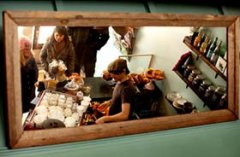
Vienna’s coffeehouses aren’t just cafes — they’re landmarks of history and creativity. Some open as early as 6:30 a.m. and stay open until 2:00 a.m., offering spaces for reading (with newspapers from around the world), playing chess, writing, or simply people-watching. Many became regular meeting spots for famous figures: musicians like Mozart, Beethoven, and Schubert; writers; politicians; and artists.
The most legendary is the Central Café in the city center. Before World War I, it was a hub for poets, playwrights, and composers. Though some claims about it being the birthplace of famous works are likely exaggerated, it’s undisputed that luminaries like the Strausses and other greats frequented the place. Today, the tradition continues: no matter how crowded, you can stay as long as you like — a hallmark of Viennese coffeehouse culture.
Other renowned cafés have their own storied regulars, and locals love pointing out which writer drank where or which politician held court in which establishment. These venues have hosted generations of thinkers and creators, becoming part of Vienna’s social and artistic fabric.
The Coffee Menu: More Than Just a Drink
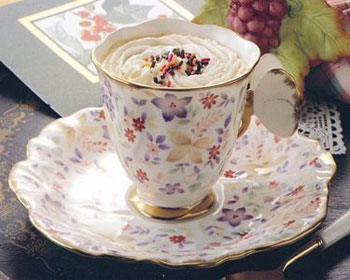
Ordering “just coffee” in Vienna can confuse baristas — the city offers over 40 distinct types. From black coffees to various milk ratios, each has its own name and preparation style. For first-timers, the Melange is the safest and most iconic choice: a Viennese-style cappuccino with steamed milk and foam, deeply tied to the city’s coffee heritage.
Another local habit? Every coffee order comes with a glass of water — not because the coffee is strong, but because Vienna’s tap water is famously fresh and delicious. One quirk: if you’re brought a second glass of water, it’s often a subtle hint that you’ve stayed a bit too long. (Don’t worry, it’s all part of the charm.)
Coffee With Sweets and Newspapers
Viennese coffee is almost always paired with something sweet. Among the many pastries, Gugelhupf — a light, ring-shaped cake similar to a Bundt cake — is a classic choice. Coffeehouses also stock newspapers, magazines, and illustrated journals, a tradition rooted in the early days when free reading material was used to attract customers (since newspapers cost more than coffee). While that economic motive is long gone, the cultural ritual remains: reading in a café is as much a part of the experience as the drink itself.
Frequently Asked Questions
When did Vienna’s coffee culture start?
Vienna’s coffee culture began in 1683, after the Second Turkish Siege, when Polish spy Jerzy Franciszek Kulczycki used abandoned Turkish coffee beans to open the city’s first coffeehouse.
What is a Melange coffee?
Melange is Vienna’s signature coffee: a milky drink similar to a cappuccino, made with espresso, steamed milk, and foam. It became popular in the 1680s after Kulczycki added milk to improve the flavor of the originally bitter Turkish coffee.
Why is water served with coffee in Vienna?
In Vienna, a glass of water is served with every coffee order — not to cleanse the palate but because the local tap water is known for being particularly fresh and tasty. A second glass may subtly signal that you’ve overstayed your welcome.
Which Viennese café is the most famous?
The Central Café is Vienna’s most iconic coffeehouse, historically a gathering spot for famous artists, musicians, and writers including Mozart and the Strauss family. It remains a popular spot today, retaining its old-world charm and leisurely pace.
How many types of coffee does Vienna serve?
Viennese cafés serve over 40 distinct types of coffee, each with its own preparation method and name. Simply ordering “coffee” may leave the barista puzzled due to the variety on offer.
Recommended FrontStreet Beans for Viennese-Style Coffee
For a Viennese-style coffee experience at home, try FrontStreet Coffee’s Classic Blend — a balanced medium roast with notes of caramel, nuts, and a smooth milk-friendly profile that works beautifully in a Melange. Pair it with FrontStreet’s Specialty Blend for a brighter acidity that highlights Vienna’s milk-forward traditions. Both beans showcase the kind of clarity and body that complement Vienna’s sweet pastries and long café conversations. Freshly roasted within 5 days · Orders placed before 17:00 ship the same day · Next-day delivery across most of Guangdong Province.
FrontStreet Coffee is a long-established specialty coffee roaster in Guangzhou China, selling freshly roasted beans from its own farm in Yunnan as well as dozens of carefully selected single-origin beans from around the world for both pour-over and espresso. The products deliver consistently excellent quality and great value, with shipping within 24 hours. Guangzhou's FrontStreet Coffee shop is recommended by many coffee lovers, and the beans are now available online at the Tmall 。
Important Notice :
前街咖啡 FrontStreet Coffee has moved to new addredd:
FrontStreet Coffee Address: 315,Donghua East Road,GuangZhou
Tel:020 38364473