Italian Coffee Drinks: Names, Types, and What They Mean
If you’ve ever visited Italy or wondered what to order at a traditional Italian café, you’re not alone. With hundreds of coffee variations, choosing the right drink isn’t always straightforward—especially when ordering the wrong thing might get you a glass of milk instead of coffee. This guide breaks down the most common Italian coffee names, what’s actually in them, and how Italians actually drink them.
Quick answer: The most basic Italian coffee is ‘caffe’—a small, strong shot of espresso (about 25–30ml), often served with sugar. Other popular drinks include the double-shot ‘doppio’, the diluted ‘lungo’ or ‘americano’, and the milky ‘cappuccino’ (which Italians only drink in the morning). For non-caffeine options, try ‘orzo espresso’ made from roasted barley.
What Is an Italian Espresso?
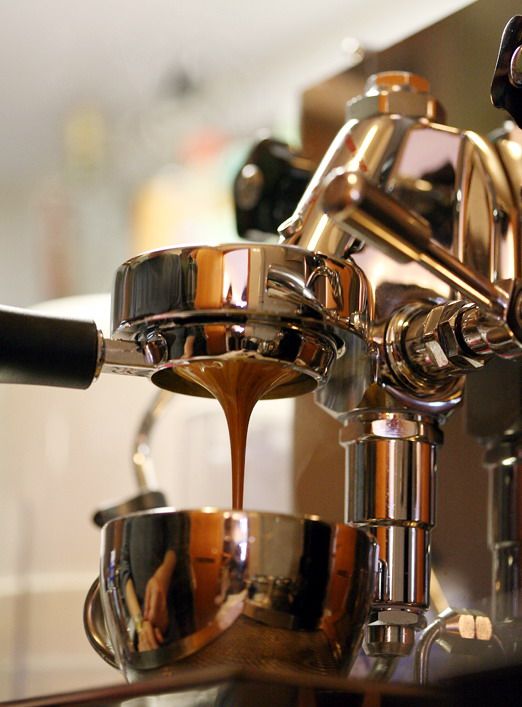
The foundation of nearly all Italian coffee drinks is the espresso, or ‘caffe’. It’s a small, concentrated shot typically around 25–30ml, served in a thick demitasse cup to retain heat. Italians often drink it plain or with 1–2 teaspoons of sugar. In Naples, a regional variation tends to be stronger and slightly larger—around 20ml—and some cafes pre-add sugar. Espresso is the baseline: short, dark, and intense.
Popular Italian Coffee Drinks and Their Differences
Standard Espresso Variations
- Caffe (espresso): A standard single shot, strong and aromatic. Add sugar to taste.
- Caffe doppio: A double shot of espresso, twice the intensity.
- Caffe lungo: A single espresso pulled with extra hot water, making it larger and milder.
- Caffe americano: Similar to a lungo, but usually even more diluted. Ask for ‘latte’ separately if you want milk.
Milky Italian Coffees
- Caffe latte: Order this as ‘caffe latte’, not just ‘latte’—otherwise you’ll get just milk. It’s mostly steamed milk with a bit of espresso.
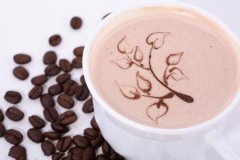
- Cappuccino (or cappuccio): Espresso with steamed and frothed milk, served only in the morning. Italians consider it too milky for after meals.
- Latte macchiato: Mostly steamed milk ‘stained’ with a small amount of espresso—more milk than coffee.
- Caffe macchiato: A single espresso ‘stained’ with a tiny dash of milk—‘macchiato’ means ‘stained’.
Flavored and Special Italian Coffees
- Caffe corretto: Espresso ‘corrected’ with a shot of grappa or another liqueur.
- Caffe marocchino: Popular in Milan—espresso with cocoa powder and whipped cream.
- Caffe or cappuccino decaffeinato / Hag: Decaf versions of espresso or cappuccino; Hag is a well-known decaf brand in Italy.
Non-Coffee and Alternative Options
- Orzo espresso / cappuccino d’orzo: Made from roasted barley, caffeine-free, and often used as a coffee alternative for kids or those avoiding caffeine. Some households even have special barley moka pots.
- Caffe shakerato: A refreshing iced shaken espresso, especially popular in summer.
How Italians Actually Drink Coffee
In Italy, coffee is a daily ritual, not a luxury. Italians drink around 600 cups per person per year, ranking sixth globally. Unlike the filtered coffee common elsewhere, Italians almost exclusively drink espresso-based drinks. Coffee is typically consumed quickly standing at the bar—often cheaper than sitting down. Even street vending machines serve quality espresso.
The traditional tool for making espresso at home is the moka pot—an iconic 30cm-tall octagonal stovetop brewer that produces a strong, concentrated brew. While not a true espresso machine, it’s deeply embedded in Italian coffee culture. Most households own one, and they’re also prized as decorative items.
Italian Coffee Culture: More Than Just a Drink
Authentic Italian coffee is about precision: from the grind to the crema, and the type of cup used. Espresso is typically served in a small thick cup (demitasse) that retains heat well. Restaurants may use regular ceramic cups, but the coffee remains intensely brewed. Milk-based drinks are generally reserved for mornings—ordering a cappuccino after a meal raises eyebrows.
Coffee preferences vary across Italy’s long, narrow geography. In the south, like Naples, espresso is stronger and often served already sweetened. Across regions, roast levels, brew techniques, and even serving styles differ, reflecting local taste. Yet everywhere, coffee is taken seriously—not as a quick caffeine hit, but as an essential part of daily life.
Frequently Asked Questions
What is the most common coffee in Italy?
The most common coffee in Italy is a plain ‘caffe’—a single shot of espresso, typically around 25–30ml. It’s strong, served in a small cup, and often enjoyed with 1–2 teaspoons of sugar. It’s the default coffee ordered at bars and consumed quickly.
What’s the difference between a cappuccino and a caffe latte?
A cappuccino is equal parts espresso, steamed milk, and foam, served only in the morning in Italy. A caffe latte (correctly ordered as ‘caffe latte’) is mostly steamed milk with a small amount of espresso. Ordering just ‘latte’ will get you a glass of milk, not coffee.
Why shouldn’t you order a cappuccino after a meal in Italy?
Italians consider cappuccinos too milky and heavy for after meals. Drinking one after lunch or dinner is seen as unusual and culturally inappropriate. Cappuccinos are strictly a breakfast drink in Italy.
What is orzo coffee, and is it really coffee?
Orzo coffee is made from roasted barley, not coffee beans. It’s a caffeine-free alternative that tastes and smells similar to coffee. Many Italians drink it as a coffee substitute, especially for children or those avoiding caffeine, and some use special barley moka pots to brew it.
Do Italians drink their coffee standing up?
Yes, many Italians drink their coffee standing at the bar, which is not only a cultural norm but also usually cheaper than sitting at a table. It’s common to consume espresso quickly at the counter rather than lingering over the cup.
What kind of coffee equipment do Italians use at home?
The most iconic piece of Italian home coffee equipment is the moka pot—a stovetop brewer that makes a strong, espresso-like coffee. It’s typically around 30cm tall, octagonal, and considered both functional and decorative. Many households also own electric espresso machines, but the moka pot remains essential.
Recommended FrontStreet Beans for Italian-Style Coffee
For authentic Italian-style espresso and milk drinks, try FrontStreet Coffee’s Classic Blend—a well-balanced blend with rich crema, ideal for cappuccinos and lattes. The Black Cocoa Blend offers a bold, chocolatey profile perfect for milk-based drinks, while the Specialty Blend delivers a classic European espresso taste reminiscent of traditional Italian cafés. All three are optimized for home espresso machines or moka pots. Freshly roasted within 5 days · Orders placed before 17:00 ship the same day · Next-day delivery across most of Guangdong Province.
FrontStreet Coffee is a long-established specialty coffee roaster in Guangzhou China, selling freshly roasted beans from its own farm in Yunnan as well as dozens of carefully selected single-origin beans from around the world for both pour-over and espresso. The products deliver consistently excellent quality and great value, with shipping within 24 hours. Guangzhou's FrontStreet Coffee shop is recommended by many coffee lovers, and the beans are now available online at the Tmall 。
Important Notice :
前街咖啡 FrontStreet Coffee has moved to new addredd:
FrontStreet Coffee Address: 315,Donghua East Road,GuangZhou
Tel:020 38364473