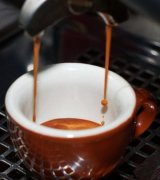
How the French Drink Coffee: Habits, Culture, and Cafés
Ever noticed how Parisians seem to spend hours at a table with just a tiny cup of coffee? Or why so many cafés in France have chairs pointed outward toward the street? There’s more to the French coffee ritual than just sipping espresso—it’s about the moment, the setting, and the social rhythm.
The French may not drink coffee for the bold flavor alone—they’re famous for lingering over a single small cup for hours, often in public. Studies and anecdotes alike confirm that coffee fuels not just wakefulness, but conversation, reading, people-watching, and leisure. In short: the coffee matters, but the moment matters more.
Coffee and the French Daily Life
It’s often said that when France faced a coffee shortage, people got noticeably sleepier. While that may sound exaggerated, there’s truth to the stereotype: the French really do love their coffee. During the 1991 Gulf War, amid fears of supply disruptions, French shoppers rushed to supermarkets. News cameras captured crowds hoarding essentials—and what topped their lists? Coffee and sugar. That moment became symbolic of just how seriously the French take their daily brew.
In France, coffee isn’t usually rushed. Even a small, expensive espresso is rarely consumed quickly at home. Instead, people take it outside—at a price that could cover brewing a whole pot indoors. They sit, read, talk, and watch the world go by. At trade shows and exhibitions across the country, organizers routinely set up coffee corners. These spots, often tucked into corners of massive halls, stay packed all day as attendees gather to chat, network, and relax.
The Art of the Café Terrace
What truly sets French coffee culture apart is the terrace. Whether under a tree, along a canal, or on the bustling Champs-Élysées, outdoor coffee seating is everywhere—and the city tolerates its encroachment on pedestrian space. Bright umbrellas dot Parisian sidewalks, creating an iconic urban backdrop. Chairs are almost always arranged to face the street, turning the terrace into a front-row seat to the theater of city life.
On these terraces, anything can unfold. Fashionable women flip through magazines. Lovers kiss without a glance at passersby. Musicians play impromptu sets. And passersby—well-dressed, perfumed, animated—provide a constant show. Locals nurse a coffee, light a cigarette, or simply soak in the ambiance. A Parisienne reading Vogue over espresso is practically a national archetype.
Historic Coffeehouses and Literary Cafés
Beyond terraces, France is dotted with over 170,000 cafés—each with its own character. Many are grand, historic spaces, especially in Paris. Some cafés are more than just places to drink; they are institutions tied to revolution, literature, and art.
Take Le Procope, in Paris’s Latin Quarter. Established centuries ago, it became a meeting point for the thinkers of the Enlightenment. Voltaire, Rousseau, and Diderot wrote and debated here. It’s also where Robespierre, Danton, and Marat gathered before the French Revolution. Historical accounts claim Napoleon once dined there and left without paying—owed for his coffee, he left his military cap behind as collateral. Later, literary giants like Hugo, Balzac, and Zola frequented the café. Today, Le Procope retains much of its original decor, attracting visitors with its deep ties to French intellectual history.
Then there’s Café de la Rotonde and others nearby. But two standouts are Café des Deux Magots and Café de Flore, both on Paris’s Left Bank. Café des Deux Magots, with its 19th-century Parisian charm, became a hub for 1920s Surrealists and literary greats. Writers like Ernest Hemingway sought inspiration here. A simple espresso can cost around €22—a price tag that reflects not just the drink, but the cultural weight of the space. Right next door, Café de Flore became another intellectual haunt, known for hosting philosophers like Sartre and Simone de Beauvoir, who sat in assigned seats marked with brass plaques. Both cafés helped shape an area now dense with bookshops and literary-themed eateries, birthing what became known as French “Belle-Lettre” culture.
Over in Montmartre, Café des Arts (Academy Café) was a gathering spot for 19th-century artists tied to the Parisian university scene. These cafés weren’t just places to drink—they were creative nerve centers.
Frequently Asked Questions
Why do the French spend so much time at cafés?
The French view coffee drinking as a social and leisure activity, not just a caffeine fix. Sitting at a café—especially outdoors—is a way to relax, read, people-watch, and converse, often for hours over a single small espresso.
Are coffee prices higher at French terrace cafés?
Yes. A single espresso at a Parisian terrace café can cost significantly more than brewing at home—sometimes enough to make an entire pot—but customers pay for the atmosphere, not just the drink.
Which Parisian cafés are historically significant?
Key historic cafés include Le Procope, a meeting place for Enlightenment thinkers and French revolutionaries; Café des Deux Magots and Café de Flore, hubs for 1920s writers and philosophers like Hemingway, Sartre, and de Beauvoir; and Café des Arts in Montmartre, known for its artist community.
Do the French really drink coffee just to sit outside?
Often, yes. For many, the coffee is secondary to the experience of sitting at a terrace, observing street life, and enjoying uninterrupted time in public.
Is coffee culture in France focused on espresso or filtered coffee?
Espresso is the standard in most cafés, served quickly and often sipped slowly. Filter coffee is less common in traditional cafés, though specialty shops may offer more variety.
Why are there so many outdoor cafés in Paris?
They’re deeply embedded in the city’s culture. The French enjoy public sociability, and the city accommodates this with ample sidewalk space—even if it encroaches slightly on pedestrian areas.
Recommended FrontStreet Beans for Café Culture
Pair your French-style coffee moment with FrontStreet Coffee’s Ethiopia Humbera, known for its jasmine and bergamot brightness—perfect for slow sipping. For something deeper, try the Colombia La Esperanza with caramel and red apple notes, ideal for longer café terraces. Or go classic with FrontStreet’s Yirgacheffe, offering citrus and floral tones that highlight the elegance of the French coffee ritual. Freshly roasted within 5 days · Orders placed before 17:00 ship the same day · Next-day delivery across most of Guangdong Province.
FrontStreet Coffee is a long-established specialty coffee roaster in Guangzhou China, selling freshly roasted beans from its own farm in Yunnan as well as dozens of carefully selected single-origin beans from around the world for both pour-over and espresso. The products deliver consistently excellent quality and great value, with shipping within 24 hours. Guangzhou's FrontStreet Coffee shop is recommended by many coffee lovers, and the beans are now available online at the Tmall 。
Important Notice :
前街咖啡 FrontStreet Coffee has moved to new addredd:
FrontStreet Coffee Address: 315,Donghua East Road,GuangZhou
Tel:020 38364473