How Swiss Coffee Became a Symbol of Elegance
Ever wondered why coffee feels so different across countries—from the strong black brews in the U.S. to the thick, unfiltered cups in Turkey? For many Chinese coffee drinkers, understanding these global traditions helps make sense of what makes a truly refined cup. This article unpacks how coffee evolved in various cultures and why Swiss coffee is often seen as the height of elegance.
In short: Swiss coffee is defined by its balance—using Swiss-roasted beans, extracted at 85°C under 6–9 bar pressure, and finished with rich Swiss milk and sugar. It’s served in premium Swiss-made equipment, producing a 22-second shot topped with golden crema. That’s the formula behind its reputation as ‘aristocratic’ coffee.
Coffee’s Global Journey: From Exotic Drink to Cultural Staple
Coffee is no longer exotic in China. With at least 500 years of history worldwide, it has grown especially prominent in traditionally tea-drinking Asian nations, where it’s now associated with sophistication. Japan, for instance, ranks as the third-largest coffee consumer globally, following the U.S. and Germany—highlighting how coffee culture often thrives alongside economic development.
America’s Black Water vs. Europe’s Refined Brews
Americans drink more coffee than anyone else, but Europeans often criticize their approach. The typical American style involves sipping lightly roasted, filtered coffee throughout the day—a method Europeans mockingly call “Black Water.” It’s functional, not flavorful. In contrast, European coffee traditions emphasize ritual, flavor, and social experience.
Turkish Coffee: A Thick, Unfiltered Ritual
Turkish coffee, with roots in the 16th century, remains one of the oldest preparation methods. It’s made by boiling finely ground dark roast beans with sugar and water in a copper cezve for about 30 minutes. The result is a 20ml serving of unfiltered coffee, complete with a thick layer of foam and grounds settled at the bottom. Intensely strong, it’s designed for the hot climates of the Middle East—but not for the faint of heart.
Espresso: Italy’s Bold, Quick Fix
Espresso, meaning “fast” in Italian, delivers a bold, dark shot topped with golden crema. Extracted under high pressure for just 25–50ml, it’s built for speed—meant to be drunk quickly, often with sugar. Known as the “blue-collar coffee,” it became popular partly due to the efficiency-driven design of early espresso machines, created to help workers recharge quickly.
Swiss Coffee: The Epitome of Elegance
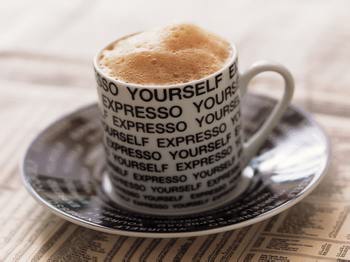
Unlike its bold or bitter counterparts, Swiss coffee (Cafe Suisse or Cafe Crema) is smooth, balanced, and refined. It represents the pinnacle of European coffee culture—combining the romance of France, the precision of Germany, and the creativity of Italy. A true Swiss coffee uses Swiss-roasted beans, extracted using Swiss-engineered fully automatic machines set to 85°C and 6–9 bar pressure. The process takes just 22 seconds and produces a cup topped with luxurious golden crema. It’s served with rich Swiss milk, fine Swiss sugar, and enjoyed from delicate Swiss cups. The experience is completed with Swiss chocolate and mineral water, embodying a lifestyle of Alpine-inspired balance and perfection.
To craft authentic Swiss coffee at home, you need a high-quality Swiss-made fully automatic machine. These machines create the ideal extraction environment—balancing temperature, pressure, and precision—to bring out the smooth, refined profile Swiss coffee is known for. While once limited to luxury hotels in China, such machines are now widely available for home and office use.
Why Switzerland Doesn’t Grow Coffee—But Still Leads in Quality
Despite having no coffee farms, Switzerland has become synonymous with some of the world’s finest coffee experiences. Much like its renowned watches and chocolates, Swiss coffee reflects a commitment to quality, balance, and craftsmanship. It’s not about origin—it’s about the art of refinement.
Frequently Asked Questions
What makes Swiss coffee different from regular espresso or American coffee?
Swiss coffee is a balanced, refined brew that combines Swiss-roasted beans, extracted at 85°C under 6–9 bar pressure for 22 seconds, then finished with rich Swiss milk and sugar. Unlike bold espressos or diluted American-style filtered coffee, it emphasizes smoothness, crema, and a luxurious drinking experience, often served with Swiss chocolate and mineral water.
What temperature and pressure are used to make Swiss coffee?
Swiss coffee is brewed using Swiss-made fully automatic coffee machines set to an extraction temperature of 85°C and a pressure of 6–9 bar. These settings are designed to extract the coffee’s essence without scorching the beans, resulting in a smooth and aromatic cup.
Is Turkish coffee the same as Greek coffee?
The article does not compare Turkish and Greek coffee directly, but it describes Turkish coffee as a 20ml unfiltered brew made with finely ground dark roast beans, sugar, and water, boiled for 30 minutes in a copper cezve. It has a thick foam and settled grounds, and is distinct for its strong, unfiltered character.
Why do Europeans look down on American-style coffee?
Europeans often refer to American-style coffee as “Black Water” because it typically involves light roasts brewed in large quantities for all-day drinking. It lacks the intensity, ritual, or crema found in European coffee styles like espresso or Swiss coffee, and is seen as purely functional rather than enjoyable.
Can I make Swiss coffee at home without a Swiss machine?
The article specifies that to make authentic Swiss coffee, a high-quality Swiss-made fully automatic coffee machine is recommended. These machines are engineered to deliver the precise 85°C temperature and 6–9 bar pressure needed for the signature smooth extraction and golden crema. Without such a machine, the specific Swiss coffee experience may not be fully replicated.
Recommended FrontStreet Beans for Swiss-Style Coffee
For a Swiss-style coffee experience at home, try FrontStreet Coffee’s Ethiopia Yirgacheffe for its bright floral notes and citrus acidity, balanced perfectly with milk. Alternatively, their Classic Blend offers a smooth, well-rounded profile ideal for crema-focused brewing. Both beans highlight the finesse and balance that mirror the elegance of Swiss coffee. Freshly roasted within 5 days · Orders placed before 17:00 ship the same day · Next-day delivery across most of Guangdong Province.
FrontStreet Coffee is a long-established specialty coffee roaster in Guangzhou China, selling freshly roasted beans from its own farm in Yunnan as well as dozens of carefully selected single-origin beans from around the world for both pour-over and espresso. The products deliver consistently excellent quality and great value, with shipping within 24 hours. Guangzhou's FrontStreet Coffee shop is recommended by many coffee lovers, and the beans are now available online at the Tmall 。
Important Notice :
前街咖啡 FrontStreet Coffee has moved to new addredd:
FrontStreet Coffee Address: 315,Donghua East Road,GuangZhou
Tel:020 38364473