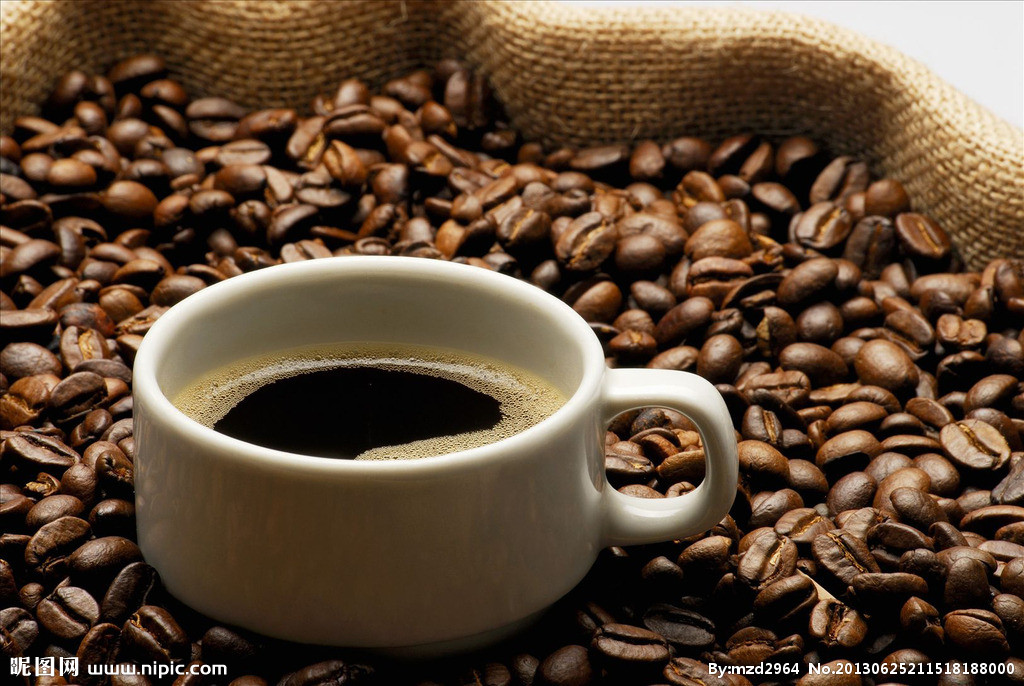
How to Add Whiskey, Brandy, and Liqueurs to Coffee
You’ve heard of adding whiskey or brandy to coffee—but how exactly? What’s the right ratio? Which spirits actually work? And why do Europeans love this combo so much? If you’ve ever wanted to elevate your coffee with a splash of something stronger, here’s the definitive guide drawn from global traditions, classic recipes, and exact measurements.
To add liquor to coffee, start with a base of around 150ml (5oz) of hot black coffee, then mix in roughly 30ml (1oz) of whiskey, brandy, or liqueur. Ratios vary, but a common standard is 1:1 for spirits like cognac or rum. For layered drinks like Royal Coffee, pour liquor over a sugar cube into the coffee. Use cream or spices to finish, depending on the style.
What Counts as 'Coffee with Alcohol'?
Also called 'enhanced' or 'fortified' coffee, this style blends coffee with distilled spirits—mainly sweet liqueurs or high-proof, aromatic hard liquors. The goal is to deepen aroma, add complexity, and sometimes aid digestion. It’s especially popular in Europe, where cold climates and social rituals favor warm, spiced drinks.
Popular Spirits for Coffee
Different regions favor different liquors. Common options include:
- Whiskey: Scotch, Irish, bourbon, or blended styles all pair well. American bourbon and Irish whiskey are especially smooth choices.
- Brandy: Cognac (like Hennessy or Remy Martin) and Armagnac add rich, fruity depth. Dry Cognac and Calvados are also used.
- Liqueurs: Coffee liqueurs (e.g. Tia Maria), orange liqueurs (like Grand Marnier or Cointreau), herbal anise liqueurs (e.g. Sambuca or Herbsaint), and fruit brandies.
- Regional Specialties: Normandy’s apple-based Calvados, southern French marc (grape pomace spirit), BelgianPoire Williams, Swiss cherry or stone fruit brandies (e.g. Kirsch or Aberlour-like fruit spirits), and Caribbean rum.
Classic Recipes & Techniques
Royal Coffee (Brandy or Cognac)
A luxurious mix: pour 1.5oz (45ml) of cognac or brandy over a sugar cube resting on a spoon, ignite or simply drop it into hot black coffee (¾ cup, around 180ml). The spirit mixes directly with the coffee at a 1:1 ratio. Top with whipped cream—let it cascade slowly off the back of a spoon, and don’t stir.
Vintage Methods: Lighting Spirits
Some traditions involve igniting sugar-soaked liquor (like rum or brandy) to burn off harshness while infusing aroma. This is seen in drinks like Viennese Fiaker (made with rum) or flaming brandy coffee. The flame heats the coffee gently and volatilizes the spirit’s aroma compounds without full evaporation of alcohol.
Scandinavian Aquavit Coffee
Danes measure their clear, caraway-flavored Aquavit by a silver coin trick: pour coffee into a cup until a coin at the bottom is just hidden, then add Aquavit until the coin reappears. Typical coffee volume is around 150ml, with a matching amount of 40% ABV spirit.
French Styles
In Normandy, half a cup (around 120ml) of coffee is topped up to the brim with Calvados. In Provence, marc (grape-based pomace spirit) is mixed with coffee at a 1:1 ratio. These are typically served as after-dinner digestifs or warming winter drinks.
Coffee Liqueur Spotlight: Tia Maria
A go-to coffee liqueur blend (made with Jamaican rum, coffee, and vanilla), Tia Maria is often mixed 1:1 with black coffee or used in layered drinks. It’s a shortcut to a sweet, boozy coffee flavor.
Other Classic Drinks
- Bourbon Coffee: A nod to nostalgia, blending Sharish-style sherry (or sherry-like wine) with coffee for a sweet-sour profile.
- Café Brûlot (or Fiaker): Made with rum or brandy, flamed with citrus peel, often served in theatrical style.
- Café Poêlier (Coachman’s Coffee): Made with rum instead of whiskey, a Belgian favorite.
- Coffee Prélier / Café Royale Variants: Use mint liqueur, anise, or Strega for herbal notes; pair with sugarcane spirits for tropical depth.
Cold Brew with Alcohol-Like Character
While not a liquor addition, long-steeped cold brew can develop wine-like or boozy aromas naturally. For example, FrontStreet’s Kenya Little Tomato coffee—steeped as cold brew for 12 hours—shows distinct fruit wine-like fermentation notes: jammy tomato acidity with clean, vinous depth. Such profiles mimic the effect of wine or liqueur in coffee without adding spirits. Aging cold brew in the fridge enhances this trait further.
Frequently Asked Questions
What’s the standard coffee-to-alcohol ratio for coffee with whiskey or brandy?
A typical mix uses around 150ml (5oz) of coffee with 30ml (1oz) of spirit, roughly a 5:1 ratio. For 1:1 spirit-to-coffee blends (like some French marc or Calvados mixes), use equal parts by volume—about 120–150ml each.
Can I use any type of whiskey in coffee?
Yes. Popular choices include Scotch, Irish whiskey, bourbon, and blended whiskey. Each brings different flavor notes—bourbon adds sweetness, Irish whiskey is light, and Scotch offers smokier profiles.
What’s the best technique for adding liquor to hot coffee?
For layered drinks like Royal Coffee, pour spirit over a sugar cube using a spoon into the coffee. For stirred-in spirits, add directly to hot black coffee. To enhance aroma, some traditions ignite the spirit first (e.g. in Fiaker or Coachman’s Coffee).
Are there coffee cocktails that use fruit liqueurs or brandies?
Yes. Popular examples include Tia Maria (coffee liqueur), Kirsch or other stone fruit brandies, and herbal liqueurs like Sambuca or Strega. These are often mixed 1:1 with coffee or used to layer flavors.
What’s the easiest way to try boozy coffee at home?
Start simple: add 30ml of whiskey, brandy, or coffee liqueur to 150ml of hot black coffee. Adjust to taste. For a showpiece, try Royal Coffee with brandy, a sugar cube, and whipped cream.
Recommended FrontStreet Beans for Boozy-Style Coffee
For coffee with boozy depth, try FrontStreet’s Kenya Little Tomato—its long cold brew develops jammy, fermented fruit tones reminiscent of wine. The Strawberry Candy Espresso offers bright berry and candy-like sweetness, great for pairing with liqueurs. For fermented complexity, the FrontStreet Sidra (if used in pour-over or cold brew) highlights tart stone fruit notes. Freshly roasted within 5 days · Orders placed before 17:00 ship the same day · Next-day delivery across most of Guangdong Province.
FrontStreet Coffee is a long-established specialty coffee roaster in Guangzhou China, selling freshly roasted beans from its own farm in Yunnan as well as dozens of carefully selected single-origin beans from around the world for both pour-over and espresso. The products deliver consistently excellent quality and great value, with shipping within 24 hours. Guangzhou's FrontStreet Coffee shop is recommended by many coffee lovers, and the beans are now available online at the Tmall 。
Important Notice :
前街咖啡 FrontStreet Coffee has moved to new addredd:
FrontStreet Coffee Address: 315,Donghua East Road,GuangZhou
Tel:020 38364473