How to Make Better Tasting Fancy Coffee
If your cappuccino tastes sour or your latte looks murky, you’re not alone. Many coffee lovers struggle to get their fancy coffee drinks—like lattes, cappuccinos, and layered drinks—to taste as good as they look. The secret isn’t a magic spell, but a mix of technique, water quality, temperature control, and proper milk handling. Here’s how to fix common issues and make your milk coffee drinks truly delicious.
To make better tasting fancy coffee, focus on four key areas: choose less acidic coffee, use filtered soft water, preheat your cup, and master milk and cream texture. Each step—from brewing to pouring—affects flavor, clarity, and aroma.
Why Your Fancy Coffee Might Taste Off
Acidity, cloudiness, and temperature loss are common problems in milk-based coffee drinks. Lighter roasted beans often taste more sour, especially in espresso-based drinks. Poor water quality or unfiltered tap water introduces off-flavors and minerals that affect extraction. Pouring hot coffee into a cold cup drops the serving temperature fast, muting aroma. And broken filter paper lets coffee grounds leak, making your drink cloudy. All of these issues are fixable with the right approach.
How to Fix Common Coffee Flavor Issues
1. Prevent Coffee Sourness
Coffee acidity varies with roast level. Lighter roasts tend to be more acidic, while medium to dark roasts bring out chocolatey, nutty, and caramel notes. To reduce sourness, choose medium or dark roasted beans. Check that the roast color is even—discoloration can signal uneven roasting and higher acidity.
2. Keep Coffee Color Clear
Murky coffee often comes from damaged filters. Whether using paper or cloth, ensure your filter is intact during brewing. A torn filter lets coffee grounds escape, leading to a cloudy, unappealing cup. Always inspect your filter before use and replace if damaged.
3. Use the Right Water
Water hardness affects taste and extraction. Hard water contains too many minerals and should be avoided. Use fresh, soft, filtered water—preferably purified or distilled. Always boil it fresh before brewing. Old or stale water dulls flavor and affects crema formation in espresso.
4. Always Preheat Your Cup
A hot drink in a cold cup loses heat and aroma quickly. Warming your cup before pouring can improve flavor by up to 20%. Heat your cup in an oven, soak it in hot water, or pour hot water into it just before brewing. A warm cup helps maintain temperature and fully releases coffee aromas.
How to Make Great Milk Foam
Step-by-Step Milk Frothing
- Pour fresh whole milk into the frothing pitcher until it’s about one-quarter full.
- Place the lid on the pitcher and press the handle down firmly. Pump the central plunger up and down until you see foam rise to the edge of the lid.
- Remove the lid, let the foam sit for 30 seconds, or gently tap the pitcher to break large bubbles.
- Use a spoon to remove any large, coarse bubbles from the surface.
Tips: Use high-fat, whole milk for best results. Keep your frothing pitcher completely dry—any moisture reduces foam quality. For hot foam, preheat milk and pitcher together to around 60°C using a water bath.
How to Whip Cream for Coffee Toppings
Cream Whipping Steps
- Pour liquid fresh cream into a mixing bowl.
- Start whipping at low speed until bubbles form, then add sugar and increase to medium speed.
- When the sugar dissolves, add 1 gram of vanilla powder and continue whipping.
- Stop when the cream holds a firm shape and shows visible, moldable patterns.
Note: Always whip in one direction. Changing directions can prevent the cream from holding its shape. Well-whipped cream should be glossy, elastic, and hold its form when piped or spread.
How to Layer Coffee Drinks Properly
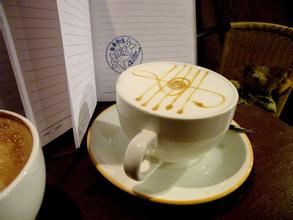
The Pouring Technique
When building layered coffee drinks, use a spoon or stirrer to control flow. Hold the spoon against the inside wall of the cup and pour denser liquids (like syrup or espresso) along the back of the spoon so they sink. Lighter liquids (like milk or cream) go in last, staying on top. Always pour higher-density ingredients at the bottom.
Using a Spoon for Layering
- Hold the spoon vertically against the side of the cup, with its back facing the liquid stream.
- Pour slowly along the spoon’s curve to guide the liquid to the bottom.
- For lighter layers, tilt the spoon slightly and keep its edge just above the liquid surface without submerging it.
Controlling Layers with Sugar Content
Liquid density determines layering. More sugar increases density, so sweeter liquids should go on the bottom. Less sugary, thinner liquids float better on top. Adjust the sugar levels in each layer to create clean, distinct visual separation in your coffee drinks.
How to Pipe and Style Whipped Cream
Whipped Cream Application
- Pipe a circle of whipped cream around the inside rim of the cup.
- Then pipe additional layers from the outside in, filling in the center gradually.
Frequently Asked Questions
What makes coffee taste sour in milk drinks?
Sourness usually comes from light roast coffee, which has higher acidity. Medium or dark roasts have more balanced flavors with notes of chocolate and nuts, reducing perceived sourness. Also, using fresh, high-quality beans helps.
Can I use tap water for brewing coffee?
No, tap water is often hard and full of minerals that affect taste and extraction. Always use filtered, soft, or purified water, and boil it fresh before use. Stale or unfiltered water leads to off-flavors and weak crema.
How do I get smooth milk foam without big bubbles?
Use cold, fresh whole milk and a dry frothing pitcher. Pump the milk vigorously with a frother until foam forms, then let it rest for 30 seconds. Tap the pitcher gently to pop large bubbles, and skim them off with a spoon.
Why does my coffee look cloudy?
Cloudiness is usually caused by damaged filters that let coffee grounds into the cup. Always check that your paper or cloth filter is intact before brewing. Replace if torn or worn.
How can I create distinct layers in a coffee drink?
Layering depends on the sugar and density of each liquid. Higher sugar content increases density, so pour sweeter, denser liquids like espresso first, then lighter, less sweet liquids like milk on top. Use a spoon to control the flow and keep layers separate.
Recommended FrontStreet Beans for Milk-Based Coffee
For smoother, less acidic milk drinks, try FrontStreet’s PWN Golden Mandheling (deep-roasted, low acid, with chocolate and blackcurrant notes), Brazil Queen Manor (balanced, nutty, and sweet with caramel tones), or 2013 Yunnan Sun-Dried Typica (medium-bodied with citrus and caramel, great for balanced espressos). These beans work well in lattes, cappuccinos, and other milk coffees. Freshly roasted within 5 days · Orders placed before 17:00 ship the same day · Next-day delivery across most of Guangdong Province.
FrontStreet Coffee is a long-established specialty coffee roaster in Guangzhou China, selling freshly roasted beans from its own farm in Yunnan as well as dozens of carefully selected single-origin beans from around the world for both pour-over and espresso. The products deliver consistently excellent quality and great value, with shipping within 24 hours. Guangzhou's FrontStreet Coffee shop is recommended by many coffee lovers, and the beans are now available online at the Tmall 。
Important Notice :
前街咖啡 FrontStreet Coffee has moved to new addredd:
FrontStreet Coffee Address: 315,Donghua East Road,GuangZhou
Tel:020 38364473