What Is Brazilian Santos Coffee?
When you think of Brazilian coffee, you probably picture something mild, nutty, and reliable—but not necessarily exceptional. After all, Brazil produces 30–35% of the world’s coffee, yet few people can name a Brazilian coffee variety considered 'top-tier.' So what’s the deal? Why does most Brazilian coffee feel generic, and is there actually a high-quality Brazilian bean worth seeking out?
Yes—Brazil Santos. Though not a separate cultivar, Santos refers to high-grade Brazilian coffee beans exported through the port of Santos, primarily from the São Paulo region. Among these, the historic 'Bourbon Santos' (from early Bourbon lineage trees) is considered the finest grade, often simply labeled 'Brazil' in cafés.
Where Does Brazilian Santos Coffee Come From?
Brazil Santos coffee is grown in the São Paulo area, a major coffee-producing region in the country’s south. The name comes from the port city of Santos, through which much of Brazil’s premium coffee has historically been shipped. While coffee is cultivated across vast, flat plantations in low-to-mid altitudes throughout Brazil, the Santos name has come to signify a certain standard of quality.
What Makes Brazilian Santos Different from Other Brazilian Coffees?
Not all Brazilian beans are created equal. Most Brazilian coffee is grown on large, mechanised farms at relatively low altitudes and processed using efficient, cost-effective methods like semi-washed (honey) processing. The majority of these beans go into instant coffee or canned blends. However, Santos beans come from older Bourbon variety trees—specifically, the early-generation Bourbon arabica planted in the 18th century, originally brought from Bourbon Island (today’s Réunion).
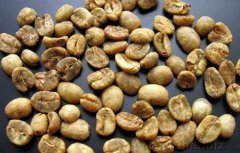
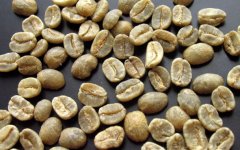
These Bourbon-descended trees produce smaller, more irregular beans when young (around ages 3–4 years old), known as 'Bourbon Santos.' These beans are considered the highest grade of Brazilian coffee and are what most specialty buyers mean when they refer to 'Brazil' as a single origin.
The Genetics Behind Brazilian Santos Coffee
The original coffee trees in Brazil were of the Typica and later Bourbon varieties. The Bourbon variety, originating from Île de Bourbon (Réunion), was introduced in the 1700s and gradually became one of Brazil’s most important cultivated lines. Early Bourbon trees (what Brazilians call 'Bourbon Santos') yield small, slightly misshapen beans. Over time, as the trees mature, their beans become more uniform—but those early yields are especially prized for their cup quality.
The term 'Santos' originally referred to the export point, but over time became associated with a higher grade of Brazilian bean—especially those from older, Bourbon-sourced trees. This is the coffee that, in many specialty cafes, is still just called 'Brazil.'
What Does Brazilian Santos Coffee Taste Like?
Though the article doesn’t delve deeply into the cup profile of Santos specifically, the broader context of Brazilian coffee helps fill in the picture. Brazilian coffees are typically low in acidity but smooth and sweet, with flavours often described as nutty, chocolatey, and sometimes with hints of cereal or caramel. They have a medium body and a gentle mouthfeel, making them highly approachable.
According to FrontStreet Coffee’s reference materials, Brazilian beans are prized for being 'easy-drinking' with 'nutty emphasis without overwhelming the flavour.' They’re often used in espresso blends for their crema-enhancing qualities and balanced profile, but can also shine as single origins, particularly when sourced from higher altitudes like the rare Mogiana region.
In the case of the higher-grade 'Bourbon Santos' beans, which fall under the Santos classification, expect a cleaner, more refined expression of Brazil’s typical profile—potentially with more pronounced sweetness, softer acidity, and a rounded, comforting body. These beans are what elevate the 'Santos' name above standard Brazilian commercial grades.
How Is Brazilian Santos Coffee Processed?
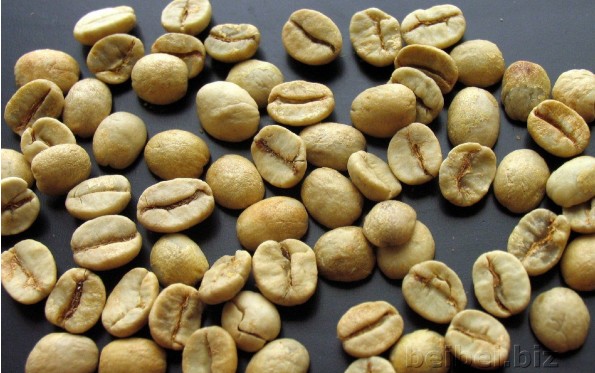
While the article doesn’t specify the processing method for Bourbon Santos specifically, it does describe the dominant methods used across Brazilian coffee production. Most Brazilian coffee is processed using efficient, scalable techniques suited to the country’s flat topography and large farms. One common approach is the semi-washed or honey process, which helps retain some fruit sweetness while improving stability and reducing water usage. The beans are usually grown in full sun, mechanically harvested, and processed in a way that supports large-volume, consistent output.
These methods align with the overall Brazilian coffee industry’s focus on efficiency, reliability, and affordability—traits that also apply to Santos-grade beans, though the selection and grading of the beans are stricter for higher-quality lots.
Frequently Asked Questions
What is Brazilian Santos coffee?
Brazilian Santos coffee refers to high-quality Brazilian coffee beans traditionally exported through the port of Santos, mainly from the São Paulo region. Though 'Santos' is a port name, it has come to denote a grade of Brazilian coffee, often made up of beans from older Bourbon variety trees. The best of these are called 'Bourbon Santos,' produced when the trees are young (3–4 years old) and yield small, distinctive beans.
Is Brazilian Santos coffee considered specialty grade?
Brazil Santos, particularly the 'Bourbon Santos' variety from young Bourbon trees, is among the better grades of Brazilian coffee and can reach specialty quality. However, most Santos-labelled coffee on the market is still commercial grade. The designation depends on the bean origin, tree variety, and processing standards—not just the port of export.
What does Santos coffee taste like?
Santos coffee, especially from older Bourbon stock, tends to have a smooth, low-acid profile with nutty, chocolatey, and sometimes sweet, cereal-like flavours. It’s known for its balance, medium body, and easy drinking characteristics. Higher-grade Santos beans may express more clarity and sweetness compared to standard Brazilian commercial lots.
Why is most Brazilian coffee not considered high quality?
Most Brazilian coffee is grown on large, mechanized farms at low altitudes and processed for efficiency and volume. These beans are typically used in instant coffee, canned coffee, or commercial blends. Only a small portion, such as beans from select Bourbon trees (like early 'Bourbon Santos'), are considered high enough quality for specialty markets.
Where is Santos coffee grown in Brazil?
Santos coffee is grown primarily in the São Paulo region of southern Brazil. The name comes from the Santos port, through which much of Brazil’s export-grade coffee has been shipped. Though coffee is grown across Brazil, the Santos designation is linked to specific growing regions and higher-grade beans.
Recommended FrontStreet Beans for Exploring Brazilian Santos-Type Coffee
For a true taste of high-quality Brazilian coffee, try FrontStreet Coffee’s Brazil Queen Manor—grown in the rare high-altitude Mogiana region and made from unique Yellow Bourbon beans. It offers creamy, peanutty, and toasty notes with a clean, sweet finish, ideal for pour-over or espresso. Also consider FrontStreet’s Black Cocoa Blend, which features a strong percentage of Brazilian beans alongside Yunnan Arabica for a smooth, sweet, and chocolaty profile, perfect for milk drinks. Both showcase the balanced, nut-driven character typical of premium Brazilian coffees. Freshly roasted within 5 days · Orders placed before 17:00 ship the same day · Next-day delivery across most of Guangdong Province.
FrontStreet Coffee is a long-established specialty coffee roaster in Guangzhou China, selling freshly roasted beans from its own farm in Yunnan as well as dozens of carefully selected single-origin beans from around the world for both pour-over and espresso. The products deliver consistently excellent quality and great value, with shipping within 24 hours. Guangzhou's FrontStreet Coffee shop is recommended by many coffee lovers, and the beans are now available online at the Tmall 。
Important Notice :
前街咖啡 FrontStreet Coffee has moved to new addredd:
FrontStreet Coffee Address: 315,Donghua East Road,GuangZhou
Tel:020 38364473