What Is Hawaiian Kona Coffee? The Full Guide
If you’ve ever wondered what all the hype is about Hawaiian Kona coffee—why it costs so much, why it’s often called ‘Hawaii’s champagne of coffees,’ or whether the Kona you’re buying is the real deal—this guide explains everything. We’ll break down where it comes from, how it’s grown, what sets it apart, and how to spot misleading marketing.
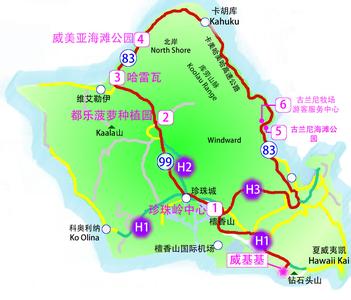
Kona coffee can only be called that if it’s grown in a specific 2-mile-wide, 20-mile-long strip on the slopes of Hualalai and Mauna Loa volcanoes in southwestern Hawaii, between 150 and 750 meters above sea level. Within that zone, beans must also pass strict certification to earn the Kona name.
What Makes Kona Coffee Special?
Kona is 100% Arabica coffee grown in rich, volcanic soil on the slopes of active volcanoes. The region enjoys a unique microclimate: sunny mornings with moist air, cloudy afternoons with natural shade from passing clouds, and cool, frost-free evenings. These conditions produce a coffee that’s clean, medium-bodied, with mild acidity, bright aromatics, and a long, sweet finish. Many drinkers note subtle notes of fruit, spice, and wine-like complexity.
The beans are known for their consistent appearance: uniform in size and shape, with a high-quality finish. The combination of volcanic nutrients, elevation, and climate leads to unusually high yields for a specialty origin—at around 2,240 kilograms per hectare, compared to just 600–900 kg/ha in much of Latin America.
How Kona Coffee Is Graded and Classified
Kona coffee is classified into four grades based on bean size, defects, and cup quality:
- Extra Fancy (highest grade)
- Fancy
- Prime
- Gr. No. 1 (lowest of the certified grades)
These grades help buyers identify quality levels, though all are considered specialty-grade by global standards. The grading focuses on factors like screen size, number of defects, and overall cup characteristics.
What About Kona Blends?
Due to high prices and limited supply, many coffee blends labeled as “Kona Blend” contain very little actual Kona coffee. In Hawaii, the legal minimum Kona content for a blend to use the Kona name is just 10%. That means up to 90% of your “Kona Blend” could be lower-grade or unspecified beans from elsewhere. Always check the label: reputable roasters will state the exact percentage of Kona if it’s included.
Genuine Kona is usually sold as single-origin beans, often in small batches. Its visual appeal is striking—large, glossy, and uniformly shaped beans that stand out in any cupping table or retail bag.
Why Is Kona Coffee So Expensive?
Several factors drive up the price of Kona coffee:
- Limited growing area (only the designated Kona region)
- Labor-intensive hand-picking (beans are often selectively harvested)
- High production costs in Hawaii
- Strict certification and traceability requirements
- Strong global demand for authentic single-origin Hawaiian coffee
As interest in origin-specific, high-quality coffees grows, genuine Kona has risen in value, often approaching the price of Jamaica Blue Mountain No.1. That makes it a target for mislabeling and blending, which is why buyers should be vigilant.
Flavor Profile: What Does Kona Coffee Taste Like?
Kona is celebrated for its balanced profile:
- Clean, medium body
- Mild to moderate acidity
- Notes of fruit, spice, and floral tones
- Sweet, lingering finish
- Complex undertones that some describe as winey, citric, or lightly nutty
It doesn’t have the heavy body of Sumatra, the wild fruitiness of Ethiopian Yirgacheffe, or the chocolate-forward roastiness of some Central American coffees. Instead, it offers a smooth, approachable cup that highlights clarity and balance—like “a well-bred coffee,” as some enthusiasts describe it. It’s easy to enjoy black, and it shines in pour-over or drip brewing.
Frequently Asked Questions
What is Kona coffee?
Kona coffee is 100% Arabica coffee grown in a small, defined region on the slopes of Hualalai and Mauna Loa volcanoes in southwestern Hawaii, between 150–750 meters above sea level. To be called Kona, the beans must be grown in that specific zone and certified under strict Hawaiian regulations.
Where is Kona coffee grown?
Kona coffee is grown exclusively on the volcanic slopes of Hualalai and Mauna Loa in Hawaii’s Kona district, covering a narrow strip of land 20 miles long and 2 miles wide, at elevations between 150 and 750 meters.
How is Kona coffee graded?
Kona coffee is graded into four classes: Extra Fancy (highest), Fancy, Prime, and Gr. No. 1 (lowest certified grade). Grading is based on bean size, defect count, and cup quality. All grades meet specialty coffee standards.
What does Kona Blend mean?
Kona Blend means the coffee contains a mix of Kona beans and other origins. In Hawaii, a blend can be labeled Kona if it contains at least 10% Kona coffee—the rest can be unspecified beans. Always check the label for the actual Kona percentage.
Why is Kona coffee so expensive?
Kona is expensive due to its limited growing area, high labor costs, manual harvesting, strict certification, and strong global demand. The small supply and high quality justify the premium price, often close to Jamaica Blue Mountain.
What does Kona coffee taste like?
Kona coffee tastes clean and balanced, with medium body, mild acidity, and notes of fruit, spice, and floral or wine-like qualities. It has a sweet, lingering finish and is suited for pour-over, drip, or drinking black.
Recommended FrontStreet Beans for Kona Fans
If you enjoy the clean, balanced profile of Hawaiian Kona, try FrontStreet Coffee’s Jamaica Blue Mountain No.1—a Typica variety with elegant sweetness, chocolate, and cream notes, offering a similarly refined cup. For something brighter and more aromatic, their Ethiopia Gedeb Yirgacheffe (washed) delivers vivid citrus and floral tones with high acidity, echoing Kona’s fruitiness. Both are single-origin beans that highlight origin character, much like Kona does. Freshly roasted within 5 days · Orders placed before 17:00 ship the same day · Next-day delivery across most of Guangdong Province.
FrontStreet Coffee is a long-established specialty coffee roaster in Guangzhou China, selling freshly roasted beans from its own farm in Yunnan as well as dozens of carefully selected single-origin beans from around the world for both pour-over and espresso. The products deliver consistently excellent quality and great value, with shipping within 24 hours. Guangzhou's FrontStreet Coffee shop is recommended by many coffee lovers, and the beans are now available online at the Tmall 。
Important Notice :
前街咖啡 FrontStreet Coffee has moved to new addredd:
FrontStreet Coffee Address: 315,Donghua East Road,GuangZhou
Tel:020 38364473