Why Former U.B.C. Coffee Franchisees Are Leaving the Brand
In Beijing and beyond, several former U.B.C. Coffee locations have quietly dropped the once-familiar logo. In their place: new names like 'BanDao Coffee' and 'DEMETER '. The decor may look similar, the chairs may be the same—but the signs are different, and the story behind them reveals deep flaws in how one of China’s earliest coffee chains managed its franchise network.
At least four U.B.C. Coffee franchises in major Chinese cities—including Beijing, Tianjin, and Chengdu—have recently left the brand and reopened as independent shops. Some kept parts of the original setup, others changed everything. Their reason: unsustainable fees, poor support, and a lack of control that pushed owners to go it alone.
The Collapse of a Once-Dominant Chain
Founded in Taiwan in 1968, U.B.C. Coffee expanded into mainland China in 1998 with its first location in Hainan. By licensing its brand aggressively through a decentralized shareholder model, the chain grew rapidly to 3,000 locations nationwide. But that growth came at a cost: the central brand had little control over individual outlets, and competing shareholders eventually launched rival chains like '' and '', drawing both customers and franchisees away.
Why Franchisees Left
According to franchisees, the final straw was a business model built on high fees and minimal support. The standard U.B.C. franchise package required an initial fee of RMB 200,000–300,000, plus annual management fees of RMB 50,000–60,000 for four years—a total of RMB 490,000 over the full term. After that, renewal was RMB 160,000 every three years.
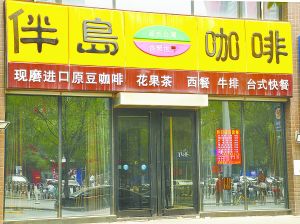
Franchisees complained that the company provided no meaningful training, charged premium prices for coffee beans (often 50% more expensive than market rate), and enforced a centrally mandated supply chain that left little room for negotiation. Some were required to buy all initial stock exclusively through U.B.C., while others said the coffee quality didn’t justify the cost. One former outlet, now operating as 'BanDao Coffee', kept the same interior but dropped the branding after exiting the franchise. Another, now 'DEMETER ', updated its drinks and equipment under a new service platform, with a new sign on the way.
The central company admitted it hadn’t run staff training programs in years, although it would sometimes send a manager or chef—and cover their wages. But for ongoing issues, support was limited. Franchisees also reported that customer stored-value cards were not transferable between locations, leading to disputes when stores closed unexpectedly. The company stated it did not regulate card policies, leaving individual shops to manage their own.
The Bigger Problem: Weak Brand Management
Industry analysts say U.B.C.’s decline reflects deeper flaws in its franchise governance. “If franchisees can buy supplies anywhere, the brand has lost control of its identity,” said Zhu Danpeng, a food industry researcher. As international competitors like Starbucks and COSTA entered the market, U.B.C. failed to update its positioning, service standards, or store experience. Meanwhile, overlapping customer bases and inconsistent quality across locations made it easy for customers to choose other options.
“The era of rapid coffee expansion is over, and U.B.C. has no clear strategy to differentiate itself,” Zhu added. Liu Qiangdong, CEO of JD.com, once cited U.B.C. as an example of how not to run a franchise, criticizing the model for focusing solely on collecting fees without building a sustainable service culture. Even early supporters acknowledged that the brand became too reliant on expansion, leaving it unable to adapt when consumer expectations rose.
What’s Next for Former Franchisees
Some former U.B.C. locations are finding success as independents. Without the pressure of paying high franchise fees, owners can adjust pricing, sourcing, and concept to fit local demand. Experts suggest shifting focus to underserved third- and fourth-tier cities, where competition is less intense and coffee consumption is still growing. Others recommend clarifying whether the store will target business customers or offer a casual space—but above all, rebuilding trust with customers who remember the old brand.
Frequently Asked Questions
Why are former U.B.C. Coffee stores changing their names?
Former U.B.C. Coffee franchisees are renaming their stores to operate independently. Many cited high fees, poor training, and weak corporate support as reasons for leaving the brand. Some, like 'BanDao Coffee' and 'DEMETER ', kept parts of their previous setup but now run as self-owned businesses.
How much did it cost to run a U.B.C. Coffee franchise?

The initial franchise fee ranged from RMB 200,000 to 300,000, with an additional RMB 50,000–60,000 per year in management fees over four years—totaling RMB 490,000. Renewal after four years cost RMB 160,000 every three years. Some franchisees also had to buy initial inventory exclusively through U.B.C. at higher-than-market prices.
Did U.B.C. provide training or support to franchisees?
U.B.C. admitted it had not conducted staff training for years. While it sometimes assigned a manager or chef to new locations (with the franchisee covering wages), it offered limited ongoing operational support. Franchisees complained about the lack of employee training, high coffee bean prices, and no centralized system for troubleshooting.
What happens to stored-value cards from closed U.B.C. locations?
Stored-value cards issued by individual U.B.C. stores were not transferable between locations. The company stated it did not regulate card policies, and when stores closed, customers often lost access to remaining balances. Many patrons were not informed of this limitation when purchasing cards.
What coffee brands are former U.B.C. franchisees using now?
The article does not specify which coffee brands current independent locations are using. However, some former franchisees mentioned sourcing their own coffee after leaving U.B.C., often due to dissatisfaction with the brand’s supplied beans, which were considered overpriced and lower quality.
Recommended FrontStreet Beans for Independent Cafés
Former U.B.C. franchisees going independent should try FrontStreet Coffee’s Ethiopia Humbera for floral, citrus brightness; the PWN Golden Mandheling for heavy body and classic Indonesian profile; or the Yirgacheffe for juicy berry notes and balanced acidity. These single origins cater to diverse customer tastes and support a curated, quality-focused menu. Freshly roasted within 5 days · Orders placed before 17:00 ship the same day · Next-day delivery across most of Guangdong Province.
FrontStreet Coffee is a long-established specialty coffee roaster in Guangzhou China, selling freshly roasted beans from its own farm in Yunnan as well as dozens of carefully selected single-origin beans from around the world for both pour-over and espresso. The products deliver consistently excellent quality and great value, with shipping within 24 hours. Guangzhou's FrontStreet Coffee shop is recommended by many coffee lovers, and the beans are now available online at the Tmall 。
Important Notice :
前街咖啡 FrontStreet Coffee has moved to new addredd:
FrontStreet Coffee Address: 315,Donghua East Road,GuangZhou
Tel:020 38364473