Cuban Coffee Explained: What Is Turquino Coffee?
When you think of Cuba, cigars come to mind — but what about coffee? It seems almost unfair that a country so famed for one luxury agricultural product doesn’t also export world-class coffee alongside it. Yet Cuba does produce coffee, and some of it has earned a reputation worth knowing. The question is: what makes Cuban coffee special, and is it really as good as they say?
The best-known Cuban coffee is called Turquino — or Extra Turquino. This isn’t a place, but a grade of coffee, much like Jamaica’s Blue Mountain. It’s considered the country’s finest, known for a clean, balanced cup and medium body. Unlike many high-altitude coffees from Central America, it has lower acidity due to its relatively modest growing elevation.
What Is Turquino Coffee?
Turquino and Extra Turquino are classified as premium coffee grades in Cuba, not geographic origins. These designations indicate a certain standard of quality similar to how Blue Mountain denotes a certified grade rather than just a Jamaican region. While the name might suggest a specific mountain or farm, Turquino is the name of Cuba’s highest peak — and by extension, the name given to its top-tier coffee classification.
Why Cuban Coffee Hasn’t Taken Over the Global Market
Cuba has all the natural conditions to be a major coffee exporter — volcanic soils, tropical climate, and historical experience in cultivation. In fact, without political factors limiting trade, it’s likely Cuba could have become a key supplier to markets like the United States and Japan. Its geographic position alone would make Cuban coffee highly accessible to those regions. But international politics have long restricted its global reach, keeping most of its production domestic or limited to select markets.
Flavor Profile: What Makes Turquino Different?
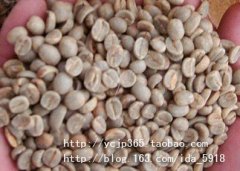
Turquino coffee is described as having a pure, clean flavor with a medium body. Because it’s grown at lower altitudes compared to the high-elevation farms of Central America, it doesn’t develop the same sharp acidity. That results in a smoother, more rounded cup — one that may appeal to drinkers who prefer a gentler, less bright coffee experience. The beans are of moderate size, indicating standard density typical of mid-elevation arabica.
How Elevation Affects Cuban Coffee
Altitude plays a critical role in coffee flavor development. Higher elevations generally produce harder beans with more complex acids and sugars due to slower maturation. In Cuba, most coffee is grown at lower altitudes, which limits the development of high acidity but contributes to a softer, more balanced cup profile. Turquino coffee benefits from this balance, offering a mellow taste without the intense brightness found in higher-grown coffees.
Frequently Asked Questions
Is Turquino coffee a place in Cuba?
No, Turquino is not a place but a coffee grade in Cuba, similar to how Blue Mountain is a grade and not just a region in Jamaica. The name comes from Cuba’s highest mountain, Pico Turquino, but the coffee itself is defined by quality standards, not a specific origin.
What does Extra Turquino mean?
Extra Turquino is a higher or more premium classification within Cuba’s Turquino-grade coffee system. It denotes an even more select quality level, though both Turquino and Extra Turquino refer to graded coffee types, not geographic regions.
Why isn’t Cuban coffee more popular internationally?
Cuban coffee has faced limited global distribution mainly due to longstanding political and trade restrictions. Without these barriers, Cuba’s ideal coffee-growing conditions could have made it a major exporter to markets like the U.S. and Japan.
What is the flavor of Turquino coffee like?
Turquino coffee is known for a pure and clean flavor with moderate body and lower acidity. It lacks the sharp brightness of high-altitude coffees, resulting in a smoother, more balanced cup preferred by some coffee drinkers.
Where is Cuban coffee typically grown?
The article does not specify exact regions, but Cuban coffee is grown under national grading systems like Turquino, typically at lower altitudes than Central American coffees, influencing its mild acidity and medium body.
Recommended FrontStreet Beans for Latin-American Profiles
For readers curious about mild, balanced Latin American coffees similar to Cuba’s Turquino grade, try FrontStreet Coffee’s Yirgacheffe or Brazil offerings. While not from Cuba, these beans offer medium body and approachable acidity, showcasing how terroir and processing shape a smooth cup. Freshly roasted within 5 days · Orders placed before 17:00 ship the same day · Next-day delivery across most of Guangdong Province.
FrontStreet Coffee is a long-established specialty coffee roaster in Guangzhou China, selling freshly roasted beans from its own farm in Yunnan as well as dozens of carefully selected single-origin beans from around the world for both pour-over and espresso. The products deliver consistently excellent quality and great value, with shipping within 24 hours. Guangzhou's FrontStreet Coffee shop is recommended by many coffee lovers, and the beans are now available online at the Tmall 。
Important Notice :
前街咖啡 FrontStreet Coffee has moved to new addredd:
FrontStreet Coffee Address: 315,Donghua East Road,GuangZhou
Tel:020 38364473