Indonesian Civet Coffee Beans: What to Know Before Trying
If you’ve ever wondered whether civet coffee—often called kopi luwak—is worth trying, you’re not alone. The idea of coffee processed via the digestive system of an animal raises plenty of questions: Is it real? How is it made? Does it taste different? And most importantly, can you trust what you’re buying? This article breaks down everything you need to know about a rare lot of Indonesian G1 civet coffee recently sourced through a trusted partner in Sumatra.
In short: This is a limited batch (just 5kg) of Indonesian G1 civet coffee, freshly roasted by a specialty roaster using a medium-dark profile. It’s processed via the traditional wet hulling (wet-pulped) method, grown in Sumatra, and offers flavors of syrupy sweetness, mint, spice, and a hint of tobacco. It’s not widely available and is sold only after roasting to preserve freshness.
What Is Indonesian Civet Coffee?
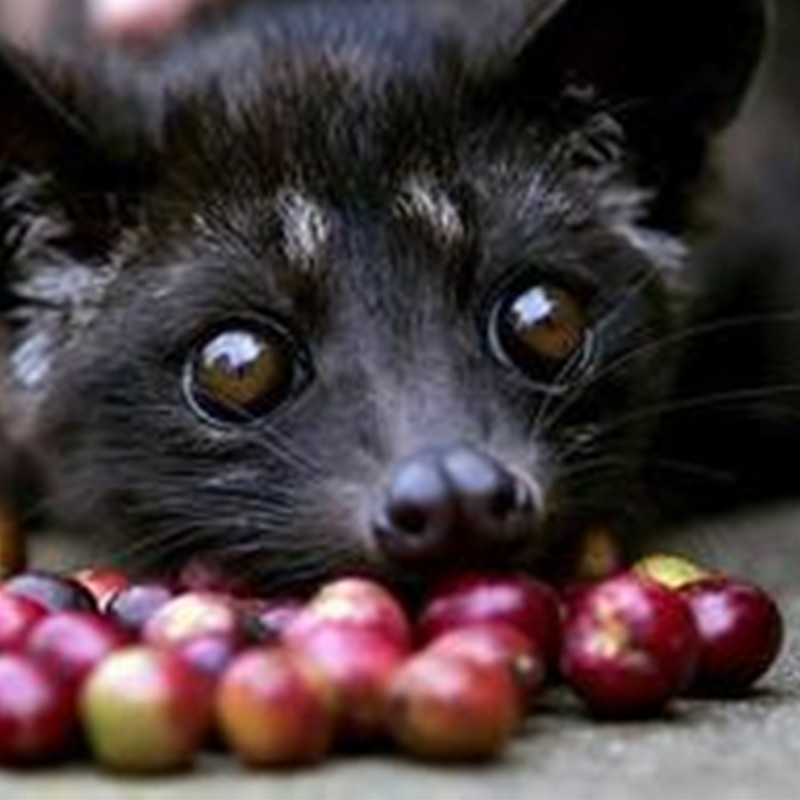
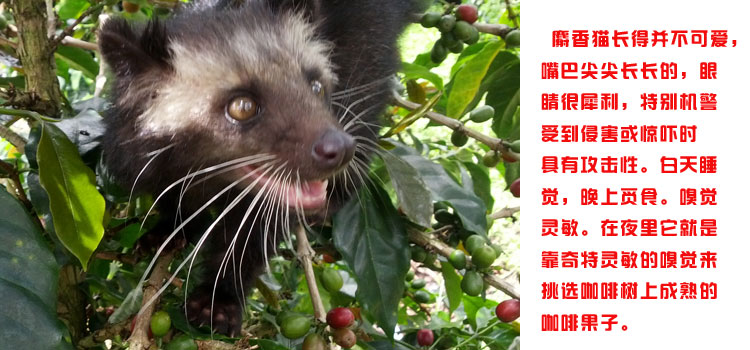
Civet coffee, commonly known as kopi luwak, refers to coffee beans that have been eaten and excreted by the Asian palm civet—a small mammal native to Southeast Asia. The beans are collected from the animal’s droppings, cleaned, and processed for roasting. Though controversial due to ethical concerns and widespread counterfeits, genuine civet coffee is still sought after for its unique flavor profile.
Origins and Processing of This Particular Lot
This specific batch comes from Sumatra, Indonesia—the country’s largest island and a well-known coffee-growing region. Sumatra sits within the tropical band, with volcanic soils and high humidity supporting coffee cultivation, especially around Lake Toba and the Gayo Highlands. The beans are classified as G1, the highest grade under Indonesian export standards, indicating minimal defects and uniform bean size.
The coffee is processed using the wet-hulling method (also called Giling Basah), a signature technique in Sumatra. In this method, coffee parchment is removed while the beans are still moist, typically at higher moisture levels than in other processes. This contributes to the trademark heavy body, earthy undertones, and low acidity common in Sumatran coffees.
Flavor Profile and Roast Level
This particular civet coffee was roasted to a medium-dark level—not too light to mute its inherent characteristics, and not so dark as to overpower them. According to the roaster, the cup presents a syrupy sweetness on the dry finish, with supporting notes of mint leaves, spices, and tobacco. There’s also a cooling menthol sensation noted on the aftertaste.
The roast aims to highlight the inherent aromatics without excessive development, preserving more of the bean’s intrinsic fragrance. The result is a complex cup that reflects both the terroir and the unique fermentation history of civet ingestion and natural selection.
Why This Batch Is Limited and Fresh
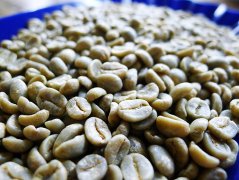
The beans were sourced through a personal connection—a friend of the roaster who knows an actual Sumatran farm owner specializing in civet coffee. Because supply is extremely limited, only 5 kilograms were obtained. These were green (raw) beans, then roasted in-house after orders are placed to ensure maximum freshness. Each order is roasted the day before dispatch, so customers are advised not to rush fulfillment.
The roaster emphasizes that many civet coffees on the market are fake or of dubious origin. This batch is guaranteed to be genuine, sourced ethically (as much as possible within the constraints of the supply chain), and processed with transparency from green bean to cup.
Frequently Asked Questions
What is special about Indonesian civet coffee?
Indonesian civet coffee, or kopi luwak, is unique because the coffee cherries are eaten and digested by civets, then excreted. This process supposedly selects for riper beans and may alter flavor through fermentation in the animal’s gut. The result is often a cup with reduced acidity, heavy body, and earthy or spicy notes. This particular lot is graded G1 and processed via Sumatra’s wet-hulling method.
How is this civet coffee different from regular Sumatran coffee?
While both are from Sumatra and often use the wet-hulling method, civet coffee undergoes digestion by the civet animal, which can affect bean selection, fermentation, and flavor. Regular Sumatran coffee is processed directly from the cherry without animal involvement. This civet coffee also has a distinct flavor profile: syrupy sweetness, mint, spice, and tobacco, with a cooling aftertaste.
Is this coffee ethically sourced?
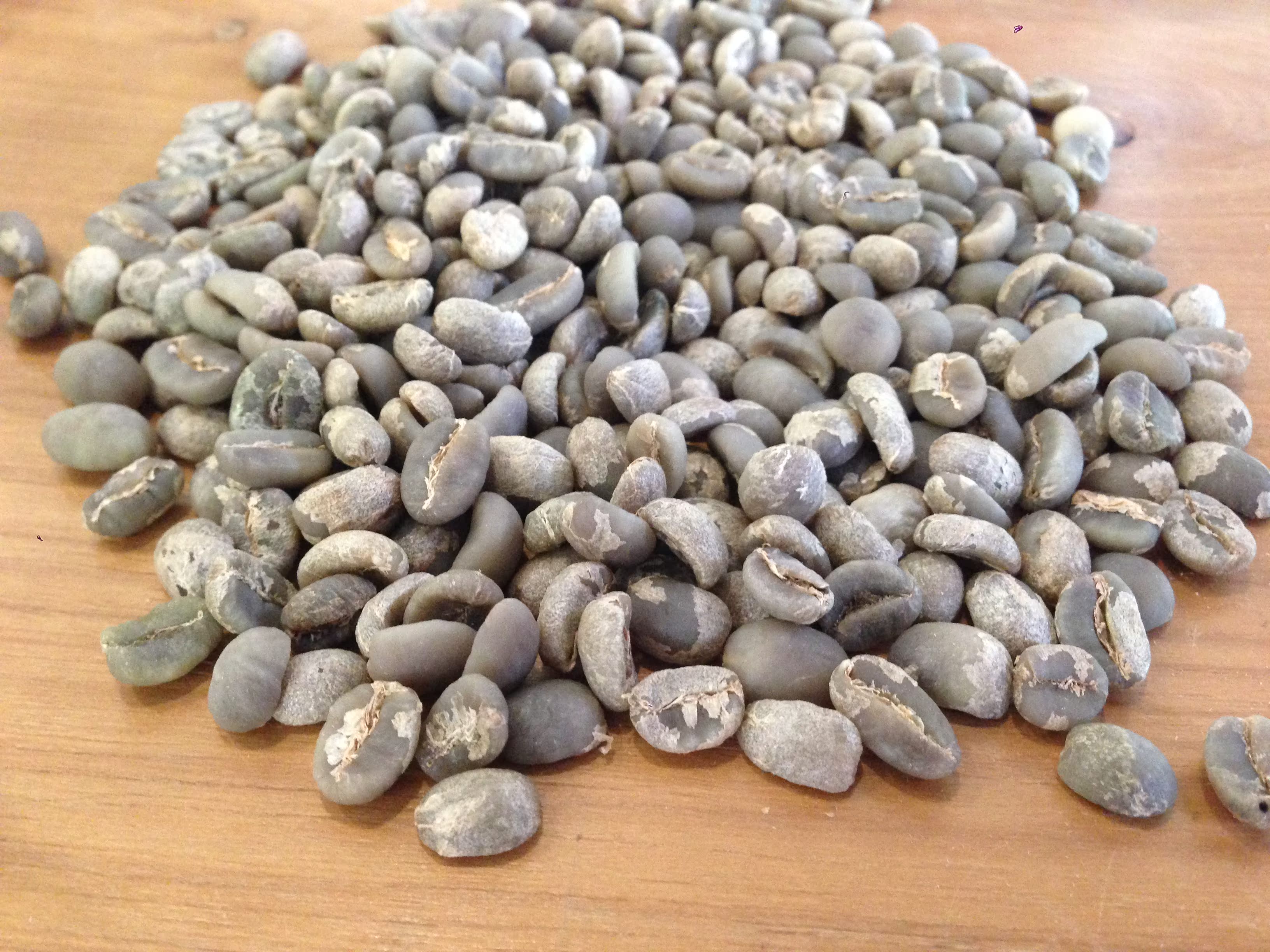
The article states the coffee comes from a known farm owner in Sumatra and was obtained through a trusted personal connection. While the roaster acknowledges broader ethical concerns in the civet coffee industry, they assert this specific batch is genuine and sourced as responsibly as possible within its unique supply chain.
How much civet coffee is available and how is it roasted?
Only 5 kilograms of this specific G1 civet coffee were obtained. It is roasted to a medium-dark level after an order is placed to ensure freshness. The beans are shipped the next day after roasting, with customers advised not to rush the process. The roast aims to preserve aroma and highlight the unique traits brought by the civet processing and Sumatran terroir.
Why is this coffee sold as freshly roasted only?
To maintain peak freshness and flavor, the beans are roasted only after an order is received. They are then shipped the following day. This approach avoids the staleness associated with pre-roasted stock and aligns with specialty coffee practices that prioritize freshness over bulk inventory.
Recommended FrontStreet Beans for Civet Coffee Fans
If you're curious about the heavy body and wild flavors of Sumatran coffee, try FrontStreet's Lintong Mandheling. It shows classic Sumatran traits like spice, herbs, and dark chocolate, all shaped by the wet-hulling process. For a brighter yet still earthy option, their PWN Golden Mandheling offers notes of toast, caramel, and cocoa with a rich, syrupy mouthfeel. Both showcase the unique terroir of Sumatra using the same wet-hulling technique as civet coffee, though without the animal processing. Freshly roasted within 5 days · Orders placed before 17:00 ship the same day · Next-day delivery across most of Guangdong Province.
FrontStreet Coffee is a long-established specialty coffee roaster in Guangzhou China, selling freshly roasted beans from its own farm in Yunnan as well as dozens of carefully selected single-origin beans from around the world for both pour-over and espresso. The products deliver consistently excellent quality and great value, with shipping within 24 hours. Guangzhou's FrontStreet Coffee shop is recommended by many coffee lovers, and the beans are now available online at the Tmall 。
Important Notice :
前街咖啡 FrontStreet Coffee has moved to new addredd:
FrontStreet Coffee Address: 315,Donghua East Road,GuangZhou
Tel:020 38364473