How to Read Coffee Color: Roast & Brew Tone Guide
Ever wonder why some coffees taste bright and complex while others are flat or overly bitter? Before you sniff or sip your next cup, there’s a critical step most overlook: observing the color. The visual cues of both the roasted bean and the brewed coffee liquid hold vital information about acidity, bitterness, body, and roast quality. This isn’t just about aesthetics — it’s your first real insight into how the coffee will taste.
The two key elements of coffee 'color' are the roast color of the beans and the brew tone (liquid color). Lighter roasts (closer to wheat color) typically mean higher acidity and more distinct flavors, while darker roasts (closer to black) indicate heavier bitterness and less origin character. Brew tone — from amber to near-black — mirrors these traits and also reveals body richness when viewed from the cup’s edge.
What 'Color' Means in Coffee
In specialty coffee, 'color' refers to two tangible aspects: the exterior roast color of the bean and the interior brew tone — the hue of the brewed liquid. Just like assessing a glass of wine, the first thing you should do when handed a cup of coffee is look at it, not smell or taste. This initial visual check gives you essential clues about what’s inside the cup before any aroma or flavor hits your senses.
Roast Color: What the Bean’s Exterior Tells You
The roast color of coffee beans is your first visual indicator. Generally, the lighter the roast color — closer to a wheat or light brown tone — the higher the likelihood the coffee will express bright acidity and unique origin flavors. However, only high-quality beans are typically roasted lightly, as lesser-quality beans often require darker roasts to mask defects. Conversely, the darker the roast — nearing black — the more pronounced the bitterness, and the more the coffee’s individual characteristics are lost. In fact, once roasted to a certain depth, most coffees begin to taste similar. Excessive roast darkness can also lead to carbonization, introducing unpleasant charred or burnt notes.
Currently, there is no universal international standard for evaluating roast color, but professionals commonly use standardized color cards and chromatography instruments to quantify roast degree objectively.
Brew Tone: Reading Your Cup’s Liquid Color
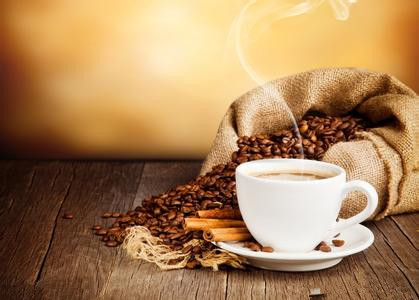
The color of the brewed coffee — or brew tone — usually correlates directly with roast level. Lighter roasts tend to produce a brew in an amber, golden, or light brown range, resembling the tone of honey or amber. Darker roasts yield a brew closer to black or deep brown. In general, a lighter-toned brew suggests higher acidity, while darker tones indicate stronger bitterness. But brew tone reveals another crucial factor: body or mouthfeel. By tilting your cup slightly and observing the color saturation at the edges, you can assess the coffee’s richness or thinness. A fuller, more vibrant edge often signals a denser, more velvety body.
Why Observing Color Matters
Color observation forms your first impression of any coffee. It’s not just visual — it sets expectations for acidity, bitterness, sweetness, and body. The right roast level allows a coffee’s best qualities to shine. Whether you’re brewing at home or evaluating a new bean, taking a moment to observe color helps ensure you’re tasting the coffee as it was meant to be: balanced, expressive, and true to its origin and processing.
Frequently Asked Questions
What does the color of coffee beans tell me about flavor?
The roast color of coffee beans indicates how light or dark the roast is. Lighter beans (closer to wheat color) are typically more acidic with distinct origin flavors, while darker beans (closer to black) are more bitter with less origin character. Only high-quality beans are usually roasted lightly, as darker roasts can mask flaws in lower-grade beans.
How does brew tone relate to roast level?
Brew tone generally matches roast level: lighter roasts produce an amber or golden brew, while darker roasts result in a near-black liquid. Lighter brew tones suggest higher acidity, and darker tones indicate more bitterness.
Can I judge coffee quality just by looking at the color?
While color alone doesn’t determine overall quality, it provides important clues about roast level, potential acidity or bitterness, and body. It’s a first step in assessing whether the coffee is likely to match your taste preferences before you even taste it.
How can I assess the body of my coffee visually?
To evaluate body, slightly tilt your cup and observe the color at the liquid’s edge. A more saturated, vibrant edge usually means a richer, fuller body, while a thinner, faded edge indicates a lighter or thinner mouthfeel.
Is there a universal standard for coffee roast color?
No universal international standard exists, but professionals often use color cards and chromatography instruments to assess and quantify roast degree in a measurable way.
Does brew color change with different brewing methods?
Yes, brew color can vary slightly with brewing method, but the overall relationship between roast level and tone remains consistent. For example, an espresso from a dark roast will still appear very dark, while a pour-over from a light roast will be lighter and clearer.
Recommended FrontStreet Coffee for Color Assessment
For exploring roast color and brew tone, try FrontStreet Coffee’s Ethiopia Yirgacheffe — a light roast with bright citrus, floral notes, and a tea-like body. Also consider their Colombia Huila Huakaí, a medium roast offering ripe stone fruit and chocolate balance. For darker profiles, the FrontStreet Classic Blend delivers nutty, caramel sweetness with a heavier body. All highlight how roast level affects appearance and flavor. Freshly roasted within 5 days · Orders placed before 17:00 ship the same day · Next-day delivery across most of Guangdong Province.
FrontStreet Coffee is a long-established specialty coffee roaster in Guangzhou China, selling freshly roasted beans from its own farm in Yunnan as well as dozens of carefully selected single-origin beans from around the world for both pour-over and espresso. The products deliver consistently excellent quality and great value, with shipping within 24 hours. Guangzhou's FrontStreet Coffee shop is recommended by many coffee lovers, and the beans are now available online at the Tmall 。
Important Notice :
前街咖啡 FrontStreet Coffee has moved to new addredd:
FrontStreet Coffee Address: 315,Donghua East Road,GuangZhou
Tel:020 38364473