How to Smell and Taste Coffee Aroma: Dry and Wet Notes
Ever wondered why your cup of coffee smells amazing when you grind the beans—but falls flat as you sip? The truth is, much of what we call ‘coffee flavor’ actually starts with aroma. Without noticing it, you’re sensing over 800 aromatic compounds just by breathing in. But how do you really break down the smell of coffee? And why does some coffee smell incredible while others fall short?
The key to appreciating coffee aroma lies in two moments: the dry scent of freshly ground beans and the wet fragrance of brewed coffee. Together, they tell you more about freshness, roast level, and brewing success than the first sip alone ever could.
What Is Coffee Aroma, Really?
Coffee aroma is sensed in two main phases: dry aroma (from whole or ground beans) and wet aroma (from brewed coffee). Professionals often use scent kits—like the Le Nez du Café—to standardize descriptions. But for daily coffee drinkers, experience plays a bigger role. Your ability to detect floral, fruity, nutty, or earthy notes comes with practice. More importantly, aroma isn’t just about smell—it connects directly to taste. A great coffee should deliver a memorable scent both before and after you drink it, with lasting fragrance that lingers on your palate.
Dry Aroma: The First Clue to Coffee Quality
The dry aroma is what you smell when coffee beans are whole or just ground. In fact, the most intense moment of coffee scent happens the instant you grind the beans. That’s why serious coffee drinkers always grind fresh—right before brewing. The dry aroma gives you an immediate sense of the bean’s character: is it bright and acidic? Deep and chocolatey? Or does it carry unwanted notes like burnt rubber or rancid oil?
Key indicators in the dry aroma include:
- Intensity: A strong, clear scent usually signals fresh, high-quality beans.
- Purity: Clean, defined aromas point to good processing and proper storage. Off or muddled notes may suggest poor handling.
- Freshness: Stale or over-roasted beans often smell flat, musty, or even oily.
- Roast Level: Dark roasts can produce harsh, ashy, or even burnt plastic-like odors if overdone.
Always grind your coffee just before brewing to experience the full spectrum of dry fragrance. The richness and clarity of that moment are often lost within minutes.
Wet Aroma: Scent After Brewing
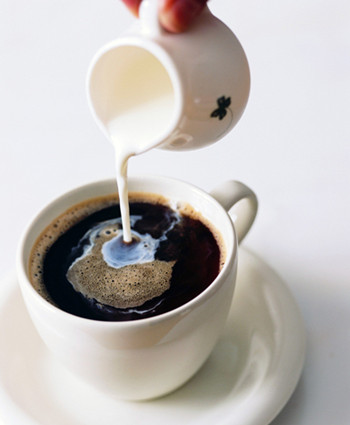
The wet aroma emerges once hot water meets ground coffee. Though less immediately potent than dry aroma, it plays an equally important role. To assess it, smell the brewed coffee while it’s still hot—the heat helps release volatile aromatic compounds. As the coffee cools, try this trick: pour a few drops onto your palms, rub them together, then cup your hands around your nose. This concentrates the remaining aromas and lets you evaluate them even as the coffee loses heat.
When evaluating wet aroma, focus on:
- Strength: How intense is the smell right after brewing? Strong, vibrant aromas often predict a more flavorful cup.
- Complexity: Can you pick out multiple layers—floral, fruit, caramel, or spice notes?
- Aftertaste Connection: Does the aroma carry through into the finish? The best coffees have aromas you can literally taste.
A high-quality coffee will offer a wet aroma that complements its dry scent, with a lingering finish you can sense both in the nose and on the tongue.
What Influences Coffee Aroma?
Many factors shape coffee aroma—from farm to cup. The origin and quality of the green bean matter greatly, as do the roast profile and degree of roast. Freshness is critical: beans lose aromatic compounds quickly after roasting, especially within the first two weeks. Grinding also affects aroma release; the finer the grind, the more surface area is exposed, but aroma dissipates faster. Your brewing method and water temperature influence how much aroma makes it into the cup. Even how you store beans (airtight, cool, and dark) plays a role. And sometimes, how green beans are transported or warehoused can introduce unintended odors.
Frequently Asked Questions
What’s the difference between dry and wet coffee aroma?
Dry aroma is the smell of whole or freshly ground coffee beans before brewing. Wet aroma is the scent released when hot water extracts the coffee grounds. Wet aroma tends to be subtler and develops more complexity through brewing.
When is the best time to smell coffee aroma?
The best time is just after grinding (for dry aroma) and while the brewed coffee is still hot or warm (for wet aroma). For wet aroma, you can also trap some scent in your palms after the coffee cools and smell it that way.
Does roast level affect coffee aroma?
Yes. Light roasts tend to preserve more origin characteristics like floral or fruity notes, while darker roasts may emphasize smoky, chocolatey, or even burnt aromas. Over-roasting can lead to unpleasant odors like rubber or oil.
Why does my coffee smell great but taste weak?
This could mean the aromas aren’t translating into flavor, possibly due to under-extraction, stale beans, or poor brewing temperature. Aroma is only part of the experience—proper brew methods ensure those scents carry through into the cup’s taste.
How can I improve my ability to smell coffee aromas?
Practice is key. Smell your ground coffee right after grinding, compare different roasts, and take notes. Over time, you’ll learn to distinguish between acidity, sweetness, bitterness, and more subtle floral or spicy notes.
FrontStreet Coffee Beans Ideal for Aroma Exploration
For exploring dry and wet aroma profiles, try FrontStreet Coffee’s Ethiopia Humbera—bright with blueberry, jasmine, and lemon zest; or Yirgacheffe, offering bergamot, peach, and honey. Both showcase vibrant floral and citrus notes in both dry grind and brewed cups. Freshly roasted within 5 days · Orders placed before 17:00 ship the same day · Next-day delivery across most of Guangdong Province.
FrontStreet Coffee is a long-established specialty coffee roaster in Guangzhou China, selling freshly roasted beans from its own farm in Yunnan as well as dozens of carefully selected single-origin beans from around the world for both pour-over and espresso. The products deliver consistently excellent quality and great value, with shipping within 24 hours. Guangzhou's FrontStreet Coffee shop is recommended by many coffee lovers, and the beans are now available online at the Tmall 。
Important Notice :
前街咖啡 FrontStreet Coffee has moved to new addredd:
FrontStreet Coffee Address: 315,Donghua East Road,GuangZhou
Tel:020 38364473