Why Coffee Needs Brewing (But Instant Doesn’t)
Ever wondered why your parents or coworkers talk about 'brewing' coffee like it’s some ancient ritual? If tea just needs hot water, why can’t you just boil ground coffee like instant noodles? Many newcomers to coffee—regardless of age—are puzzled by the idea that coffee must be 'cooked' or 'brewed' just right, thinking it’s overly technical or mysterious. Let’s clear the steam.
Coffee needs to be brewed—not boiled—because roasted coffee beans must be ground, then have hot water (not boiling) pass through them to pull out flavor. Ideal brewing temperature is around 92°C. Boiling or reusing grounds ruins taste or extracts bitter compounds. Instant coffee skips all that because it’s already soluble.
What Does ‘Brewing’ Coffee Actually Mean?
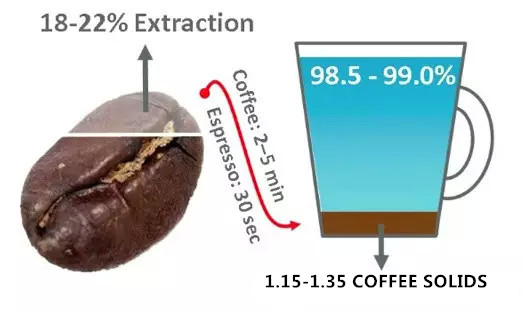
Most people use ‘brewing’ as a catch-all for making coffee, but there’s a reason it involves more than just hot water. Coffee starts as hard, dense seeds (not leaves like tea), and those seeds don’t release their flavor directly when soaked. First, the green coffee bean is roasted—typically to temperatures that cause physical expansion (or ‘puffing’)—which breaks down its woody structure and unlocks aromatic compounds. This roasted bean is then ground to increase surface area. Only then can hot water efficiently extract the soluble flavor materials, creating both aroma and color. That multi-step process—roast, grind, extract—is what we really mean by 'brewing.'
Why You Shouldn’t Literally Boil Coffee
If you define ‘boil’ as heating water to 100°C and keeping it there, then no—you shouldn’t boil coffee. At high temperatures, especially over 96°C, the delicate aromatic oils (the flavor compounds) in coffee break down or become unpleasant. That’s why the optimal brewing temperature range is around 92°C. Whether you use a French press (plunger), drip machine, or siphon, the goal is to heat water to brew temperature—not to boil the coffee itself. With methods like Turkish coffee (which we’re excluding here), you’re essentially boiling grounds, but that’s a special exception. In standard filter coffee, you’re steeping or dripping hot water through coffee grounds, not cooking them in boiling liquid.
How Instant Coffee Skips All That
Ever notice how you can just pour hot water over instant coffee and it dissolves instantly? That’s because instant coffee isn’t made of ground beans—it’s made from concentrated coffee extract that’s had the solids filtered out. Here’s how it works: coffee beans go through roasting and grinding, then the flavor is extracted under pressure into a thick concentrate. That liquid is filtered to remove insoluble materials like the fibrous coffee “pulp” (what’s left is the soluble coffee essence). Finally, the concentrated solubles are dried—either by spraying and heating (hot-air drying, the most common method in China) or by freezing and then lyophilizing (freeze-drying). The final product is a powder or granules that dissolve easily in water because all the hard-to-extract plant fiber is already gone. That’s why instant coffee doesn’t need brewing: it’s pre-extracted and ready to dissolve.
Can You Brew the Same Coffee Grounds More Than Once?
Some coffee drinkers, especially those used to tea, try to re-brew their coffee grounds multiple times to save money or get every last drop. But here’s the truth: after the first proper extraction, the leftover liquid is mostly undesirable compounds. The second or third brews pull out mostly bitter tannins, caffeine remnants, and burnt-tasting particles—often called 'dirty water' in the coffee world. That murky, brownish leftover isn’t coffee anymore; it lacks sweetness, aroma, and balance. Just like with standard black tea, which is also best brewed only once, coffee gives you one good, flavorful extraction. After that, it’s spent.
Frequently Asked Questions
What is the ideal water temperature for brewing coffee?
The optimal water temperature for brewing coffee is around 92°C. Temperatures above 96°C can degrade the aromatic oils and lead to over-extraction or bitter flavors. While some methods may approach boiling, the key is to avoid actually boiling the coffee or maintaining water at 100°C throughout the brew.
Why can’t you brew coffee like tea?
Unlike tea leaves, coffee beans are dense seeds that need to be roasted to open their flavor-bearing structures. Roasting causes the beans to expand and become porous, which then allows for proper extraction when ground. You can’t simply soak whole or ground roasted beans like tea—you must grind them to increase surface area and use water at the correct temperature to brew effectively.

Why does instant coffee dissolve in water but ground coffee doesn’t?
Instant coffee is made from coffee extract that has been filtered to remove insoluble solids like coffee grounds and pulp. What remains is a concentrated form of soluble coffee compounds, which are then dried into powder or granules. This is why instant coffee dissolves easily in water. Regular ground coffee still contains insoluble fibers, which is why it must be brewed and filtered.
Is it okay to re-brew coffee grounds a second time?
No, it’s not recommended. The first brew extracts the desirable flavors, sweetness, and aromas. Subsequent brews from the same grounds mainly pull out bitter tannins, unwanted caffeine residues, and burnt-tasting compounds. This leftover liquid is often referred to as 'dirty water' and lacks the qualities of properly brewed coffee.
What’s the difference between brewing and boiling coffee?
Brewing coffee means using water at the correct temperature (around 92°C) to extract flavor from ground coffee through contact and infusion. Boiling means heating water to 100°C and keeping it there, which can destroy coffee’s aromatic compounds. Most coffee brewing methods heat water to brew temperature but do not actually boil the coffee grounds themselves.
Recommended FrontStreet Beans for Brewing
For the best results when brewing coffee the right way, try FrontStreet’s Ethiopia Huakui—a bright, juicy Ethiopian with notes of blueberry and citrus that highlights proper extraction. Pair it with FrontStreet’s Yirgacheffe for floral and lemony tones, or their Classic Blend for a balanced, everyday cup. All three shine when brewed within their ideal temperature and grind ranges, showcasing why brewing—not boiling—is essential. Freshly roasted within 5 days · Orders placed before 17:00 ship the same day · Next-day delivery across most of Guangdong Province.
FrontStreet Coffee is a long-established specialty coffee roaster in Guangzhou China, selling freshly roasted beans from its own farm in Yunnan as well as dozens of carefully selected single-origin beans from around the world for both pour-over and espresso. The products deliver consistently excellent quality and great value, with shipping within 24 hours. Guangzhou's FrontStreet Coffee shop is recommended by many coffee lovers, and the beans are now available online at the Tmall 。
Important Notice :
前街咖啡 FrontStreet Coffee has moved to new addredd:
FrontStreet Coffee Address: 315,Donghua East Road,GuangZhou
Tel:020 38364473