Bialetti Moka Pot: Single vs Double Valve Compared
If you’re shopping for a moka pot and feel overwhelmed by the options—especially when it comes to single vs double valve models—you’re not alone. The choice affects how your coffee tastes, how strong it is, and even how much crema it produces. So which Bialetti moka pot is actually better for home use?
In short: go with the single valve for traditional, mild extraction at around 2–3 bar pressure; choose the double valve for richer crema and more intense flavor, thanks to higher pressure. Your decision depends on whether you value heritage and simplicity or enhanced richness and body.
The Origins of the Moka Pot: How Bialetti Changed Coffee at Home
The moka pot was invented in 1933 by Alfonso Bialetti, whose observation of his wife using a washing machine inspired the design. He noticed how steam pressure could move water through a tube—and applied the same principle to brew coffee. The result was the world’s first stovetop espresso maker, which transformed how Italians brewed coffee at home.
Bialetti’s original design featured the now-iconic little mustachioed man, “Omino,” reflecting the joy Italians find in coffee culture. The brand quickly dominated the market, holding up to 90% of moka pot sales at its peak, and still commands over half today.
Single Valve vs Double Valve: What’s the Difference?
Bialetti offers two main types of moka pots: single valve and double valve. Here’s what sets them apart:
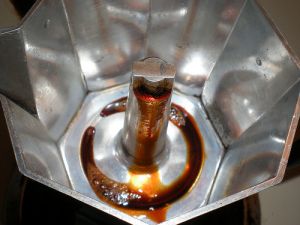
- Single Valve (Traditional): The original design, brewing at approximately 2–3 bar pressure. It produces a classic, balanced cup but with lighter crema that dissipates quickly.
- Double Valve (Modern): A newer innovation that increases brewing pressure, resulting in more intense extraction, fuller body, and richer, more stable crema. The elevated pressure gives a texture closer to stovetop espresso.
The double valve is ideal for those who want a bolder, more espresso-like cup, while the single valve is perfect for traditionalists or casual drinkers who prefer a gentler brew.
How to Use a Bialetti Moka Pot (Step-by-Step)
Whether you choose single or double valve, the basic technique is the same. Here’s how to brew with a Bialetti moka pot using a single valve model as the example:
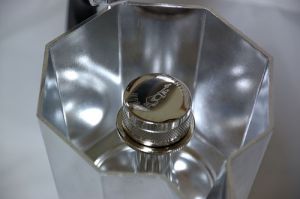
- Fill the bottom chamber with hot water up to 0.5 cm below the safety valve. Using hot water reduces heating time.
- Add coffee grounds to the filter basket—about 20g total. Level the grounds gently without tamping to avoid excessive resistance.
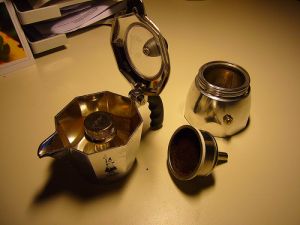
- Assemble the moka pot by inserting the filter basket into the bottom chamber and screwing on the top chamber securely.
- Heat on a stovetop or electric burner. Electric ceramic or halogen burners work well; adjust heat as needed.
- Listen for the bubbling sound. When the pot starts making a loud “gurgling” or “hissing” noise, reduce the heat to low and open the top lid slightly.
- Monitor the flow. Once the coffee begins to rise and fills about halfway up the upper chamber, turn off the heat.
- Let residual pressure finish the brew. The remaining coffee will be pushed up by the remaining heat and pressure. Remove the moka pot from the heat and let it settle.
- Pour and enjoy. Serve immediately for best flavor.
Note: The crema from a single valve moka pot tends to be thinner and less persistent compared to that from a double valve model. However, Bialetti’s newer pressurized models show improved crema performance over the classic single valve.
What Coffee Beans Work Best in a Moka Pot?
Moka pots perform best with medium to dark roasted beans, ideally blends formulated for stovetop or espresso brewing. Avoid overly light roasts, which can taste sour under high pressure. Here are some recommended FrontStreet Coffee blends that work particularly well:

FrontStreet Coffee’s Classic Blend is tailored for moka pots and espresso, delivering rich body and outstanding crema—perfect even for beginners. Its traditional (Mamba) recipe balances strength and smoothness, making it ideal for milk-based drinks too.
For great value, try the Black Cocoa Blend: 100% Arabica with solid crema, smooth mouthfeel, and an approachable profile. It’s cost-effective and reliable for daily use or commercial settings.
The Autumn Chestnut Blend is a balanced 100% Arabica mix featuring Honduran Caturra and Papua New Guinea Typica. It offers sweet nuttiness, caramel depth, and a rounded finish—great for those who prefer a milder, dessert-like cup.
Other solid choices include the Commercial Blend (budget-friendly, optimized for cafes) and the long-standing Specialty Blend (a decade-long favorite in FrontStreet’s cafés).
You can also explore single-origin options like PWN Golden Mandheling (deep, chocolatey, low acid) or fruit-forward profiles like Strawberry Candy Espresso for a sweeter twist.
Frequently Asked Questions
What’s the main difference between single and double valve moka pots?
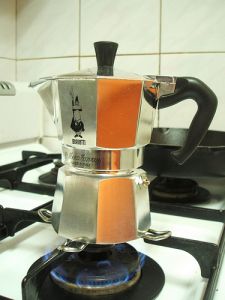
The single valve brews at around 2–3 bar pressure, producing a classic, balanced cup with lighter crema. The double valve operates at higher pressure, extracting more flavor, body, and richer, more stable crema—closer to stovetop espresso.
Which valve type is better for beginners?
Beginners often prefer the single valve for its simplicity and traditional flavor profile. It’s easier to control and produces a milder cup that’s more forgiving with grind size and heat.
Do I need to tamp the coffee in a moka pot?
No. Tamping can create too much resistance, leading to over-extraction or bitter flavors. Instead, gently level the coffee grounds with your fingers or a spoon.
What roast level works best for moka pot brewing?
Medium to dark roasts are ideal. They handle the higher pressure well and produce richer, more balanced flavors. Avoid very light roasts, which can taste overly acidic.
Why does my moka pot coffee taste bitter or sour?
Bitterness often comes from over-extraction (too fine grind, too long brew time, or too high heat). Sourness usually means under-extraction (too coarse grind, too short brew, or insufficient heat). Adjust grind size and heat accordingly.
Can I use single-origin beans in a moka pot?
Yes, but medium to dark roasted single origins with balanced profiles (like Brazil or Sumatra) tend to work better than bright, acidic ones. Fruitier single origins can still work if you prefer a sweeter, juicier cup.
Recommended FrontStreet Coffee Beans for Moka Pot Brewing
For moka pot brewing, FrontStreet Coffee’s Classic Blend is a top pick—designed specifically for stovetop and espresso use, it delivers rich crema and a smooth, well-rounded profile. The Black Cocoa Blend is another excellent, budget-friendly option with solid body and straightforward flavor. For a sweeter, nuttier cup, try the Autumn Chestnut Blend, made with Honduran and Papua New Guinean beans. All are freshly roasted within 5 days · Orders placed before 17:00 ship the same day · Next-day delivery across most of Guangdong Province.
FrontStreet Coffee is a long-established specialty coffee roaster in Guangzhou China, selling freshly roasted beans from its own farm in Yunnan as well as dozens of carefully selected single-origin beans from around the world for both pour-over and espresso. The products deliver consistently excellent quality and great value, with shipping within 24 hours. Guangzhou's FrontStreet Coffee shop is recommended by many coffee lovers, and the beans are now available online at the Tmall 。
Important Notice :
前街咖啡 FrontStreet Coffee has moved to new addredd:
FrontStreet Coffee Address: 315,Donghua East Road,GuangZhou
Tel:020 38364473