What Makes a Coffee Tree? Key Plant Features Explained
If you’ve ever wondered why coffee grows the way it does — or what parts of the coffee plant actually produce your cup — you’re not alone. Understanding the basic structure of the coffee tree helps explain everything from yield to farming practices. Let’s break down exactly what makes the coffee plant tick, from its underground roots to the cherries you roast.
In short, the coffee plant has a cone-shaped root system, a straight central stem, oval green leaves growing in pairs, fragrant white flowers, and fruits (called 'cherries') that usually hold two seeds — though some have one or three. These five traits define the plant’s form and function.
Coffee Tree Roots: The Hidden Anchor
The coffee tree features a cone-shaped (or 'conical') root system. This root structure spreads outward and downward from the base, helping the plant access water and nutrients efficiently in its native soils. While not as deep as some trees, the cone-shaped formation supports stability and nutrient uptake critical for healthy growth, especially in sloped or volcanic soils common to coffee-growing regions.
The Stem: Coffee’s Main Support
The stem, also called the main trunk or central leader, forms from what are known as 'orthotropic shoots' — essentially, the plant’s primary vertical branches. This central stem gives the coffee tree its upright form and acts as the main structure from which all other branches and eventually the coffee cherries develop. It's the backbone of the mature coffee plant.
Leaves: The Plant’s Solar Panels
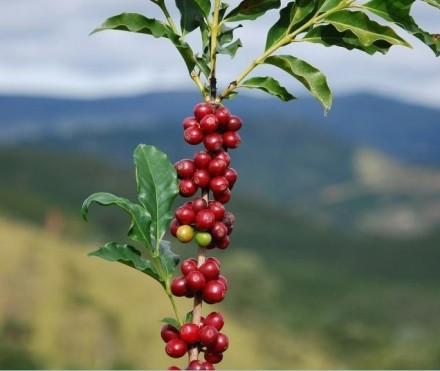
Coffee leaves are simple, oval to long-oval in shape, and grow in opposite pairs along the stem. They are solid green in color and play a crucial role in photosynthesis — the process that powers the plant’s growth and cherry development. The leaf arrangement and shape help maximize sun exposure while managing transpiration in tropical climates.
Flowers: Small, Fragrant, and Promising
The coffee plant produces small, white, aromatic flowers. These blooms are a sign the plant is mature enough to bear fruit and usually appear in clusters. Their fragrance is often compared to jasmine. Flowering is a key phase that precedes fruit set and ultimately determines yield potential for the harvest.
Fruit: The Cherries Containing Your Coffee Beans
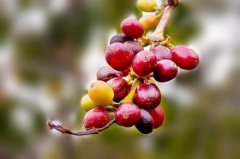
The coffee fruit is a drupe, commonly called a 'cherry'. Each cherry typically holds two seeds (the coffee beans), though some contain just one (a 'peaberry') or three. These seeds are what we roast and brew. The fruit’s size, ripeness, and processing method all deeply influence the final flavor profile of the coffee.
Why These Traits Matter for Coffee Growing
Every part of the coffee tree’s structure serves a role in its productivity and adaptability. The cone root system anchors it and accesses nutrients; the strong central stem bears the load of branches and fruit; paired leaves drive photosynthesis; flowers mark the start of the harvest cycle; and the cherries — with usually two seeds each — are the prize. Knowing these basics helps farmers, roasters, and drinkers appreciate the complexity behind every cup.
Frequently Asked Questions
What kind of root system does a coffee plant have?
A coffee plant has a cone-shaped (or conical) root system. This structure spreads both outward and downward, helping the tree efficiently absorb water and nutrients from the soil, especially important in the sloped, often volcanic soils where coffee thrives.
How many coffee beans are in a cherry?
A typical coffee cherry contains two seeds, which we call coffee beans. However, some cherries have just one seed — known as a peaberry — and others may have three. Most harvested cherries yield two beans.
Are coffee leaves important to the plant’s growth?
Yes, coffee leaves are vital. They are oval to long-oval in shape, grow in pairs along the stem, and are green in color. They perform photosynthesis, which provides the energy the plant needs to grow and produce cherries.
What do coffee flowers look like?
Coffee flowers are small, white, and highly fragrant, often compared to the scent of jasmine. They appear in clusters and signal that the plant is mature enough to produce coffee cherries.
What is the central stem of a coffee tree called?
The central stem of a coffee tree is called the stem, main trunk, or central leader. It develops from orthotropic shoots and supports all the branches and eventually the coffee cherries.
Do all coffee cherries have two beans?
No, not all coffee cherries have two beans. While most contain two seeds, some have a single seed (called a peaberry) or three. The typical cherry has two coffee beans inside.
Recommended FrontStreet Beans for Learning Coffee Origins
Explore the origins of coffee with FrontStreet’s single-origin offerings that highlight the plant’s diversity. Try the Ethiopia Humbera for floral, citrus notes from the birthplace of Arabica. For something more classic, the Yirgacheffe delivers bright lemon and jasmine. Or go deeper with the Guatemala Antigua, a balanced Washed process coffee with chocolate and spice. All showcase how terroir shapes beans from the same foundational plant. Freshly roasted within 5 days · Orders placed before 17:00 ship the same day · Next-day delivery across most of Guangdong Province.
FrontStreet Coffee is a long-established specialty coffee roaster in Guangzhou China, selling freshly roasted beans from its own farm in Yunnan as well as dozens of carefully selected single-origin beans from around the world for both pour-over and espresso. The products deliver consistently excellent quality and great value, with shipping within 24 hours. Guangzhou's FrontStreet Coffee shop is recommended by many coffee lovers, and the beans are now available online at the Tmall 。
Important Notice :
前街咖啡 FrontStreet Coffee has moved to new addredd:
FrontStreet Coffee Address: 315,Donghua East Road,GuangZhou
Tel:020 38364473