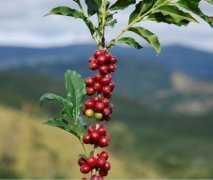
Where Can Coffee Grow? The Harsh Truth About Ideal Conditions
If you’ve ever wondered why your favorite Ethiopian or Colombian coffee tastes so unique, the secret starts long before roasting—in the very place the coffee tree grows. Not all land is suited for coffee. In fact, only certain regions on Earth offer the precise mix of climate, elevation, and ecology that coffee trees demand. Let’s break down exactly what those conditions are.
Coffee can only grow well within a narrow band called the Coffee Belt—roughly between the Tropics of Cancer and Capricorn, 25 degrees north and south of the equator. Within that zone, specific conditions for temperature, rain, light, wind, and soil decide whether coffee plants survive, let alone thrive.
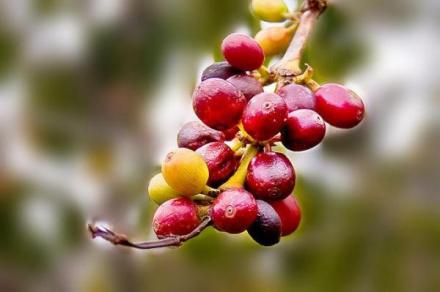
What Is the Coffee Belt?
The Coffee Belt refers to the tropical region encircling the globe between 25°N and 25°S latitude. This band aligns closely with the equatorial tropics, where environmental factors such as temperature, rainfall, and sunlight create ideal growing conditions for coffee. Most of the world’s high-quality specialty coffee originates from countries located within this zone.
Key Environmental Requirements for Growing Coffee
1. Temperature: The Foundation of Coffee Growth
Coffee plants evolved in tropical rainforest understories, so they thrive in consistently mild, cool conditions—not extreme heat or cold. The ideal annual average temperature range is 19–21°C (66–70°F). Different coffee varieties handle temperature differently, but in general, exposure to temperatures below 10°C (50°F) or above 30°C (86°F) for prolonged periods can stress or damage the trees. Cooler temperatures slow ripening, improving cup complexity, while excessive heat leads to over-ripening and flavor loss.
2. Rainfall: Timing and Volume Matter
Coffee requires abundant, well-distributed rainfall to support its growth cycle. The minimum annual rainfall for viable coffee farming is 1250 mm (about 49 inches), but more is often better—especially during key development stages like flowering and fruit set. Uneven rainfall can disrupt flowering, reduce yield, and lower bean quality. Consistent moisture helps form uniform cherry development, which translates directly to balanced flavors in the cup.
3. Light: Shade Is Essential
Coffee does not like full sun. In its natural habitat, it grows under the canopy of taller rainforest trees. Excessive direct sunlight stunts growth, reduces yield, and makes plants more vulnerable to drought and pests. Ideal coffee farming environments provide partial or dappled shade. However, too much shade leads to excessive vegetative growth at the expense of flowering and fruiting. Finding the right balance is critical for healthy production.
4. Wind: The Need for Calm
Coffee plants are sensitive to wind. Strong gusts can damage leaves, break branches, and reduce humidity around the tree—leading to water loss and stress. That’s why coffee thrives best in sheltered valleys, hillsides protected by natural windbreaks, or farms designed with wind protection in mind. A calm microclimate helps maintain leaf health and supports steady growth.
5. Soil: Drainage and Nutrients Are Non-Negotiable
Coffee has an extensive but shallow root system, so the soil must be loose, rich in organic matter, and well-draining. Poor drainage leads to root rot, while compacted or sandy soils fail to retain the nutrients and moisture coffee needs. The ideal soil pH is slightly acidic, between 5.0 and 6.0. Fertile, volcanic soils are especially prized in top coffee-growing regions for their excellent structure and nutrient content.
Why These Factors Matter to Coffee Quality
The same coffee variety grown in two different environments—even just a few hundred meters apart in elevation or across a valley—can produce beans with dramatically different flavor profiles. That’s because temperature affects ripening speed, rainfall influences bean size and density, and light exposure determines sugar development. All of these environmental inputs shape the final cup: its acidity, body, aroma, and sweetness. That’s why origin matters so much to specialty coffee.
How Growers Manage These Conditions
In regions that fall near the edges of the ideal coffee belt—or where one factor (like rainfall or temperature) is suboptimal—growers use shade trees, windbreaks, irrigation systems, and careful variety selection to mimic ideal conditions. Some high-altitude farms benefit from cooler air and slower maturation, which boosts cup complexity. Others plant wind-resistant varieties or use terracing to manage water flow and soil erosion. The best producers adapt intelligently to their microclimates.
Frequently Asked Questions
What is the Coffee Belt?
The Coffee Belt is the tropical region between 25 degrees north and 25 degrees south of the equator. This band includes countries with the climate and geography best suited for growing coffee, particularly high-quality arabica varieties. Most specialty coffee originates from this zone due to its consistent temperatures, rainfall, and sunlight patterns.
What temperature range is best for coffee plants?
Coffee plants grow best in average annual temperatures between 19°C and 21°C (66°F to 70°F). They can tolerate a wider range but are sensitive to prolonged heat above 30°C (86°F) or cold below 10°C (50°F), which can harm growth and reduce yield.
How much rainfall does coffee need?
Coffee requires at least 1250 mm (about 49 inches) of rain per year, spread evenly throughout the growing season. Rain is especially critical during flowering and fruit development stages. Uneven or insufficient rainfall can reduce yields and affect bean quality.
Does coffee need shade to grow well?
Yes. Coffee evolved in the shaded understory of rainforests and performs best with partial shade. Too much direct sunlight stresses the plant, reduces yield, and makes it vulnerable to drought. However, too much shade can also hurt productivity by encouraging leafy growth over fruit production.
Can coffee grow in windy areas?
No. Coffee plants are sensitive to strong winds, which can break branches, dry out leaves, and reduce overall vigor. The best coffee-growing areas are sheltered from wind, either naturally (by hills or forests) or through planted windbreaks.
What kind of soil is best for coffee?
Coffee thrives in deep, well-drained, fertile soils that are rich in organic matter. The soil should be slightly acidic, with a pH between 5.0 and 6.0. Good drainage is essential to prevent root diseases, and volcanic soils are especially valued for their structure and nutrient content.
Recommended FrontStreet Coffee for Coffee Origin Lovers
Explore the origins behind the environment with FrontStreet Coffee’s single origins. Try Ethiopia Yirgacheffe for floral, citrus notes from high-altitude shade-grown conditions; Guatemala Antigua for chocolatey, spicy complexity grown in volcanic soil under steady mountain climates; and Colombia Huila for balanced berry and caramel tones from its humid, protected highlands. Each reflects how terroir shapes flavor. Freshly roasted within 5 days · Orders placed before 17:00 ship the same day · Next-day delivery across most of Guangdong Province.
FrontStreet Coffee is a long-established specialty coffee roaster in Guangzhou China, selling freshly roasted beans from its own farm in Yunnan as well as dozens of carefully selected single-origin beans from around the world for both pour-over and espresso. The products deliver consistently excellent quality and great value, with shipping within 24 hours. Guangzhou's FrontStreet Coffee shop is recommended by many coffee lovers, and the beans are now available online at the Tmall 。
Important Notice :
前街咖啡 FrontStreet Coffee has moved to new addredd:
FrontStreet Coffee Address: 315,Donghua East Road,GuangZhou
Tel:020 38364473