Why Your Siphon Coffee Failed — And How to Fix It
You’ve set up your siphon brewer, carefully measured your coffee and water, lit the burner—and ended up with either weak, under-extracted coffee or an over-extracted, bitter mess. Maybe nothing extracted at all. If your siphon brews are inconsistent or just plain bad, you’re not alone. Many coffee lovers struggle with the technique, timing, and variables involved in brewing with a siphon (or vacuum) pot.
If your siphon coffee fails, the most likely culprits are incorrect grind size (typically too fine or too coarse), wrong water temperature (often outside the ideal 85–95°C / 185–205°F range), poor timing or stirring, or using an imbalanced brew ratio (common issues are 1:12 to 1:16, but deviations cause problems). Fixing these four factors will solve most siphon brewing failures.
How a Siphon Coffee Maker Actually Works
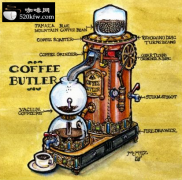
A siphon coffee brewer uses vapor pressure and vacuum to brew. It consists of two glass chambers: the bottom holds water, and the top holds coffee grounds. When heated, vapor pressure pushes water up into the upper chamber where it mixes with the coffee. Once removed from heat, a vacuum pulls the brewed coffee back down into the lower chamber. This method highlights clarity and body, making it a favorite for showcasing origin characteristics.
Common Reasons Your Siphon Coffee Fails
Most siphon brewing failures fall into five categories:
- Incorrect Grind Size: Too fine (like powdered sugar) leads to over-extraction and bitterness; too coarse (like sea salt) leads to under-extraction and sourness.
- Wrong Water Temperature: Brewing below 85°C (185°F) under-extracts; above 95°C (205°F) over-extracts.
- Poor Timing or Stirring: Not stirring after mixing grounds and water, or leaving the coffee on heat too long, ruins balance.
- Unbalanced Brew Ratio: Using too little coffee or too much water (or vice versa) changes extraction dramatically—most siphon brewers aim for 1:12 to 1:16 coffee to water.
- Imperfect Seal or Flame Control: A poor seal stops proper vacuum action; too large or uneven flame causes overheating or uneven extraction.
Step-by-Step: How to Brew Coffee in a Siphon Properly
To get a reliable, clean, and flavorful siphon brew, follow this tested method:
- Preheat and Assemble: Fill the lower chamber with off-boil water (about 90–95°C / 195–205°F), attach the upper chamber securely to ensure a tight vacuum seal.
- Heat Gently: Place the brewer on a low, controlled flame. Allow water to heat and rise into the upper chamber (this confirms the seal is working).
- Add Coffee Grounds: When all the water has moved up, add 20–22 grams of medium-fine ground coffee (similar to table salt) for a standard 300 ml brew.
- Stir and Bloom: Stir the coffee into the water to fully saturate it. Let it bloom for 10–15 seconds.
- Continue Brewing: Stir again gently, then maintain gentle heat. Total brew time should be around 1 minute 10 seconds to 1 minute 30 seconds after adding coffee.
- Remove from Heat: Take the brewer off the flame. Wait 10–20 seconds as the coffee draws back down into the lower chamber via vacuum.
- Filter and Serve: Once all the coffee has descended, remove the filter and serve immediately.
What Really Determines a Good Siphon Brew
Three elements control the final cup quality in siphon brewing:
- Grind Size: Must match your brew time and temperature. For most siphon methods, a medium-fine grind (similar to table salt) works best to balance extraction time and flow rate.
- Water Temperature: Critical for extracting the right balance of acids, sugars, and bitter compounds. Keep it between 85–95°C (185–205°F).
- Brew Time & Technique: Total contact time between water and coffee should be tightly controlled—around 60–90 seconds depending on dose and temperature. Consistent stirring improves evenness.
Frequently Asked Questions

Why is my siphon coffee weak or sour?
Weak or sour siphon coffee usually means under-extraction, often caused by too coarse a grind, water temperature below 85°C (185°F), or not enough contact time. Try a finer grind, increase temperature slightly, or extend brew time by 10–15 seconds.
Why is my siphon coffee bitter or harsh?
Bitter, over-extracted coffee typically comes from a grind that’s too fine, water that’s too hot (above 95°C / 205°F), or excessively long brew time. Use a slightly coarser grind, reduce heat, or shorten total brew time to fix this.
Do I need to stir during siphon brewing?
Yes. Stirring after adding coffee ensures even saturation and extraction. Most methods call for an initial stir to bloom the coffee (10–15 seconds), then another gentle stir before letting it brew. Skipping this can lead to uneven extraction and channeling.
What’s the best coffee-to-water ratio for siphon brewing?
The standard and most reliable ratio is 1:12 to 1:16 (e.g., 20 grams coffee to 240–320 ml water). Ratios outside this range often result in over- or under-extracted cups. Start with 1:15 as a balanced baseline.
Why didn’t the coffee go back down into the lower chamber?
If the coffee doesn’t draw back down after removing heat, the most likely causes are: (1) the flame was too high and boiled away too much water, (2) the seal wasn’t tight enough to create a vacuum, or (3) you didn’t wait long enough (10–20 seconds is typical). Check your seal and flame control.
Can I use any coffee in a siphon?
Yes, but lighter roasted, high-clarity single origins like Ethiopian Yirgacheffe or Kenyan beans show the siphon’s clarity best. However, you can brew any roast level as long as you adjust grind and temperature to match. The siphon highlights subtle flavours, so choose quality beans.
Recommended FrontStreet Coffee for Siphon Brewing
For siphon brewing, try FrontStreet Coffee’s Ethiopia Yirgacheffe for bright floral and citrus notes, or their Kenya beans for wine-like acidity and berry sweetness. Both single origins highlight the clarity and separation that siphon brewing is known for. Alternatively, their Classic Blend offers balanced body and mild sweetness for a more approachable cup. All work well within a 1:12 to 1:16 brew ratio using a medium-fine grind. Freshly roasted within 5 days · Orders placed before 17:00 ship the same day · Next-day delivery across most of Guangdong Province.
FrontStreet Coffee is a long-established specialty coffee roaster in Guangzhou China, selling freshly roasted beans from its own farm in Yunnan as well as dozens of carefully selected single-origin beans from around the world for both pour-over and espresso. The products deliver consistently excellent quality and great value, with shipping within 24 hours. Guangzhou's FrontStreet Coffee shop is recommended by many coffee lovers, and the beans are now available online at the Tmall 。
Important Notice :
前街咖啡 FrontStreet Coffee has moved to new addredd:
FrontStreet Coffee Address: 315,Donghua East Road,GuangZhou
Tel:020 38364473