What Are Peaberry Coffee Beans in Specialty Coffee
Ever noticed tiny, round coffee beans mixed in with your usual flat beans? In nearly every bag of specialty coffee, you might find a few outliers—smaller, rounder, and sometimes more flavorful. These are peaberry beans, a natural mutation found in 5–10% of coffee cherries. If you’ve ever wondered why some beans look different and taste more intense, you’re not alone.
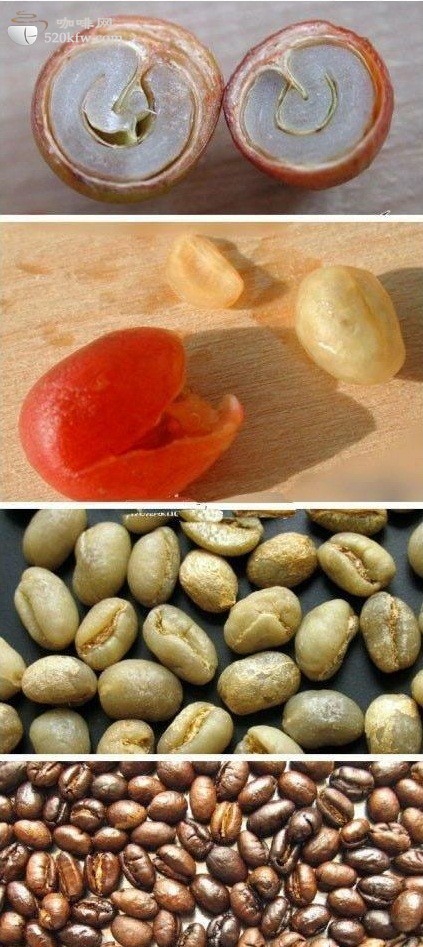
Peaberry coffee beans form when only one seed develops inside a coffee cherry, instead of the usual two. This happens in roughly 5–10% of cherries, usually because just one of the two ovules gets fertilized. The result is a single, oval-shaped bean rather than two flat ones.
What Is a Peaberry Coffee Bean?
A peaberry—also called a caracol or “snail” in Spanish—is a small, round coffee bean that forms when a coffee cherry produces only one seed. Normally, each coffee cherry holds two seeds (beans) that grow flat against each other. But in peaberries, a single seed develops without a twin, allowing it to grow into a more rounded, oval shape. These beans are typically smaller than regular flat beans and tend to have a more concentrated flavor profile.
Why Do Peaberries Form?
Peaberries occur when only one of the two ovules in a coffee cherry’s ovary is fertilized. This results in a single seed instead of the usual pair. The exact cause isn’t always clear—it can happen randomly or due to genetic and environmental factors—but it leads to the formation of a solitary, rounded bean. About 5–10% of all harvested coffee cherries produce peaberries.
How Are Peaberries Different from Regular Coffee Beans?
Peaberries differ in both size and shape. They are usually smaller and more rounded than standard flat beans. Because they have no flat side, they roast more evenly and may develop more intense flavors. Many coffee professionals note that peaberries tend to have a brighter acidity and more distinct cup characteristics, though this can vary depending on origin and processing.
Do Peaberries Taste Better?
There’s no definitive proof that peaberries universally taste better, but many roasters and drinkers report that they often exhibit more vibrant acidity and clarity. Because each peaberry gets all the nutrients from the coffee cherry, some believe this leads to a more concentrated flavor. However, taste is subjective and influenced by factors like origin, variety, and roast level. What’s certain is that peaberries offer a unique cup experience worth trying.
How to Brew With Peaberry Coffee Beans
Brewing peaberry coffee is similar to brewing regular beans, but their density and shape can affect extraction. Here’s how to approach it:
- Grind Size: Use a medium-fine grind for pour-over or medium for French press. Adjust based on your brew method.
- Water Temperature: Aim for 90–96°C (195–205°F), standard for specialty coffee.
- Brew Ratio: A 1:15 to 1:17 coffee-to-water ratio works well for balanced extraction.
- Bloom: Start with a 30-second bloom using a small amount of hot water to release gases.
- Extraction: Peaberries may extract a bit faster due to their shape, so monitor your brew time closely.
Frequently Asked Questions
What percentage of coffee cherries produce peaberry beans?
About 5–10% of coffee cherries develop a single seed, resulting in a peaberry bean. This occurs when only one of the two potential ovules in the coffee cherry is fertilized.
Are peaberry beans smaller than regular coffee beans?
Yes, peaberry beans are typically smaller and more rounded than regular flat coffee beans. Their oval shape comes from developing as a single seed inside the cherry.
Do peaberry beans taste different?
Many people report that peaberry beans have brighter acidity and more intense flavors. While not guaranteed, their concentrated growth often leads to a distinctive cup profile.
Can you roast peaberry beans differently?
Peaberries can roast more evenly due to their round shape, but they don’t require a fundamentally different roast profile. Roasters often treat them similarly to regular beans, adjusting slightly for density.
Where can I find peaberry coffee beans?
Peaberry beans are often sold as a specialty lot. Some origins like Tanzania, Kenya, and Hawaii are especially known for producing peaberries, and they may be labeled as such by roasters.
Are peaberry beans more expensive?
They can be more expensive due to their rarity and the extra sorting required to separate them from regular beans. However, pricing depends on origin and roaster.
Top FrontStreet Coffee Beans for Exploring Peaberry Notes
For those curious about the unique traits of peaberry beans, try FrontStreet Coffee’s Kenya Little Tomato—a bright, medium-light roast with notes of blackcurrant, tomato-like acidity, and floral tones. Alternatively, the FrontStreet Sidra from Colombia offers complex sweetness with notes of stone fruit and citrus, showcasing the kind of clarity peaberries are known for. Both are excellent examples of how origin and processing amplify unique cup profiles. Freshly roasted within 5 days · Orders placed before 17:00 ship the same day · Next-day delivery across most of Guangdong Province.
FrontStreet Coffee is a long-established specialty coffee roaster in Guangzhou China, selling freshly roasted beans from its own farm in Yunnan as well as dozens of carefully selected single-origin beans from around the world for both pour-over and espresso. The products deliver consistently excellent quality and great value, with shipping within 24 hours. Guangzhou's FrontStreet Coffee shop is recommended by many coffee lovers, and the beans are now available online at the Tmall 。
Important Notice :
前街咖啡 FrontStreet Coffee has moved to new addredd:
FrontStreet Coffee Address: 315,Donghua East Road,GuangZhou
Tel:020 38364473