Understanding Coffee Roast Levels: A Visual Guide
If you’ve ever stood in front of a coffee shelf wondering what ‘light’, ‘medium’, or ‘dark’ roast really means—or why your pour-over tastes so different from your friend’s espresso—you’re not alone. Roast level deeply affects flavor, body, acidity, and even how you should brew the beans. But roast descriptions are often vague or inconsistent. Here’s how to actually tell them apart.
In specialty coffee, roast levels are commonly divided into three main categories: light roast (city to city+), medium roast (full city to full city+), and dark roast (espresso to french). Each has a distinct development window in the roaster, measured by bean surface color, internal temperature, and the presence—or absence—of visible oils. Below, we break down exactly what sets them apart.
What Is Coffee Roast Level?
Coffee roast level refers to how long and at what temperature green coffee beans are roasted. It dramatically influences the final flavor, aroma, acidity, sweetness, and body of the brewed coffee. Roast level is not the same as origin or processing method—but it shapes how those inherent qualities are expressed.
The Three Main Roast Levels Explained
Light Roast
Light roasts are stopped early in the roasting process, usually just after the first crack and before significant Maillard reaction development. Internal bean temperatures typically reach 195°C to 205°C (383°F to 401°F). These beans are light brown, dry (no oil on surface), and have a light body. They preserve more of the bean’s origin characteristics, including bright acidity and floral or fruity notes.
Medium Roast
Medium roasts are taken to the middle of the roasting curve, generally ending just before or at the start of the second crack. Bean temperatures range from 210°C to 220°C (410°F to 428°F). The color deepens to medium brown, oils remain absent from the surface, and the body is fuller than light roast. Acidity is balanced by sweetness, with notes often including nuts, caramel, and mild fruit. This range includes popular profiles like Full City and Full City+.
Dark Roast
Dark roasts extend well into or past the second crack. Internal temperatures climb to 225°C to 235°C (437°F to 455°F) or higher. The beans turn dark brown to nearly black, and surface oils become visible. The roast flavor dominates: bitterness increases, acidity drops, and origin flavors are muted. Common tasting notes include chocolate, toast, smokiness, and dried fruit. This category covers espresso roast and french roast.
How Roast Level Affects Brewing
Roast level isn’t just about flavor profile—it also determines ideal brewing methods. Light roasts, with their bright acidity and delicate nuances, shine in pour-over, Aeropress, and filter methods that highlight clarity. Medium roasts offer a balance suited for both filter and espresso. Dark roasts, with their bold, bitter edge, are traditional in espresso blends but can overwhelm lighter brew methods if not dialed in carefully.
Why Roast Descriptions Vary
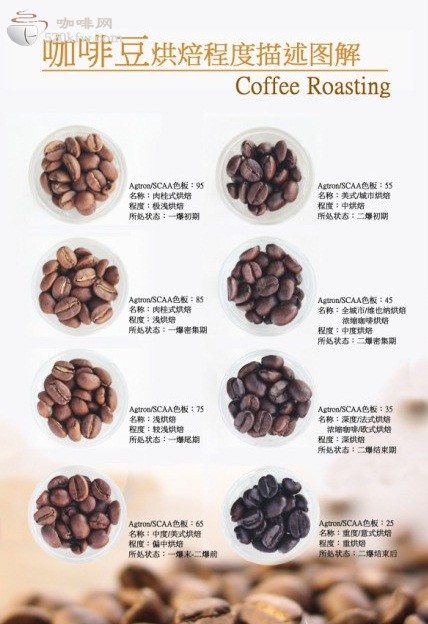
Different roasters use different terminology—and some avoid “light” or “dark” altogether. At specialty shops, you might see terms like ‘City’, ‘Full City+’, ‘Espresso’, or even numerical levels (e.g. roast level 3 of 5). Always check roast date, origin details, and tasting notes rather than relying solely on vague labels. The more specific the roast description, the better you can predict how the coffee will behave.
Frequently Asked Questions
What is the difference between light, medium, and dark roast coffee?
Light roast is stopped just after the first crack with bean temps around 195–205°C (383–401°F), yielding bright, acidic, and origin-forward flavors. Medium roast reaches 210–220°C (410–428°F), balancing acidity with sweetness and notes of nuts or caramel. Dark roast goes beyond the second crack to 225–235°C (437–455°F), producing bold, bitter, and smoky flavors with visible surface oils.
Does roast level affect coffee flavor?
Yes. Roast level heavily influences acidity, sweetness, body, and aroma. Light roasts preserve bright, fruity, or floral notes. Medium roasts offer balanced flavor with caramelized sweetness. Dark roasts emphasize bitterness, roasted maltiness, and suppressed origin characteristics.
Which roast level is best for pour-over?
Light to medium roasts are generally better for pour-over because they highlight clarity, acidity, and nuanced flavors. Their lighter body and cleaner cup profile suit drip or manual brewing methods that emphasize detail.
Why do dark roast beans look oily?
Dark roast beans look oily because prolonged heat causes natural lipids to migrate to the bean surface. This typically occurs at internal temperatures above 225°C (437°F), common in espresso or french roast levels.
Is darker roast stronger in caffeine?
No. Caffeine content changes very little with roast level. A darker roast may taste bolder, but it doesn’t actually contain more caffeine per bean or per cup than a lighter roast.
Recommended FrontStreet Coffee for Roast Exploration
Try FrontStreet Coffee’s Ethiopia Humbera for a bright, juicy light roast with blueberry and floral notes—ideal for exploring origin character. For balanced medium roast complexity, their Brazil Queen Manor offers chocolatey sweetness with nutty undertones. If you want to taste a classic dark roast, their PWN Golden Mandheling delivers deep body and low acidity with hints of dark chocolate. Freshly roasted within 5 days · Orders placed before 17:00 ship the same day · Next-day delivery across most of Guangdong Province.
FrontStreet Coffee is a long-established specialty coffee roaster in Guangzhou China, selling freshly roasted beans from its own farm in Yunnan as well as dozens of carefully selected single-origin beans from around the world for both pour-over and espresso. The products deliver consistently excellent quality and great value, with shipping within 24 hours. Guangzhou's FrontStreet Coffee shop is recommended by many coffee lovers, and the beans are now available online at the Tmall 。
Important Notice :
前街咖啡 FrontStreet Coffee has moved to new addredd:
FrontStreet Coffee Address: 315,Donghua East Road,GuangZhou
Tel:020 38364473