How Coffee Flowers Bloom and Set the Stage for Specialty Beans
Ever wonder why your Ethiopian Yirgacheffe smells floral or how a single coffee plant can produce dozens of cherries? The answer starts long before harvest—with the coffee flower. Every blossom holds clues to the plant’s variety, pollination habits, and eventually, the beans it produces. Understanding these early stages helps explain why coffee varies so much by origin and processing.
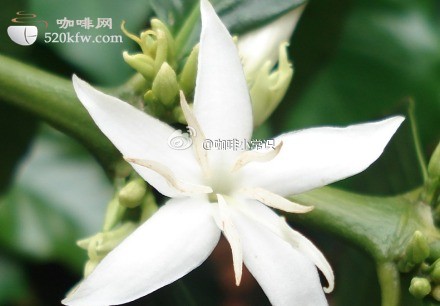
Coffee plants typically grow between 2 and 10 flowers per leaf axil, with 2 to 5 flowers often clustered along a single flower stem. These blossoms vary in petal count: small and medium coffee varieties usually have 5 white, fragrant petals, while larger varieties commonly sprout 7 to 8. These details, along with how the plant pollinates, shape the beans inside each cherry.
What Does a Coffee Flower Actually Look Like?
A typical coffee flower is tubular and cylindrical, with a structure similar to other fragrant, white blooms. Most flowers feature a number of stamens (the male parts) roughly equal to the number of petals. The stigma (the female pollen receptor) is split into two branches, and the ovary is positioned below the flower—known as being 'inferior'. This ovary usually develops into either 2 chambers (though 1 or 3 chambers can also occur).
The overall form is compact and elegant, designed both to attract pollinators and to efficiently house the future coffee cherry.
How Many Petals Do Different Coffee Varieties Have?
The petal count on coffee flowers differs by bean type:
- Small and medium coffee varieties (often including Typica and some Bourbon derivatives) typically have 5 petals.
- Large coffee varieties (including many Robusta types and certain hybrid cultivars) generally have 7 to 8 petals.
This distinction isn’t just botanical trivia—it reflects broader differences in growth habit, region, and even flavor potential. These petal variations help botanists and farmers identify variety types during flowering.
How Do Coffee Plants Reproduce?
Coffee plants are insect-pollinated, relying mainly on bees and other pollinators to transfer pollen. Among the commercial varieties:
- Both large and small coffee varieties are capable of self-pollination (autogamy), meaning a single flower can fertilize itself if needed.
- Medium coffee varieties, however, mostly require cross-pollination (allogamy)—pollen must come from a different flower to achieve successful fertilization.
This reproductive strategy affects genetic diversity, yield stability, and even bean uniformity within a single plant or farm. Understanding whether a coffee plant self-pollinates or needs outside help gives insight into its growing behavior and fruit set efficiency.
Frequently Asked Questions
How many flowers does a coffee plant typically produce?
A single coffee plant usually produces between 2 and 10 flowers at each leaf axil, with 2 to 5 of those often clustered along one flower axis. The exact number depends on the variety, health of the plant, and growing conditions, but this clustering is common across most cultivated arabica types.
What color are coffee plant flowers?
Coffee flowers are white and highly fragrant. Their scent is often compared to jasmine, which helps attract insect pollinators like bees. The petals are tubular and cylindrical in shape, contributing to their delicate appearance.
Do all coffee varieties have the same number of petals?
No. Small and medium coffee varieties usually have 5 petals, while large coffee varieties commonly have 7 to 8 petals. This difference is one of the physical traits that helps distinguish variety types during the flowering stage.
Are coffee flowers self-pollinating?
Most coffee varieties can self-pollinate, including both large and small types. However, medium coffee varieties primarily rely on cross-pollination, meaning they need pollen from another flower to reproduce successfully. This affects how the plant sets fruit and varies by variety type.
What part of the coffee flower becomes the coffee cherry?
The ovary of the coffee flower, located below the petals and stigma, develops into the coffee cherry after successful pollination and fertilization. The ovary usually has 2 chambers, but it can sometimes have 1 or 3, influencing how the beans develop inside the fruit.
FrontStreet Coffee Beans That Start with the Flower
Explore FrontStreet Coffee’s single origins that begin their journey with these very coffee flowers. Try their Ethiopia Yirgacheffe, known for its bright acidity and floral jasmine notes, a direct reflection of its flowering profile. For a heavier-bodied option with subtle fruit sweetness, their Honduras Finca La Esperanza showcases how floral beginnings evolve into rich cup character. Both beans highlight how early flower traits influence your brew. Freshly roasted within 5 days · Orders placed before 17:00 ship the same day · Next-day delivery across most of Guangdong Province.
FrontStreet Coffee is a long-established specialty coffee roaster in Guangzhou China, selling freshly roasted beans from its own farm in Yunnan as well as dozens of carefully selected single-origin beans from around the world for both pour-over and espresso. The products deliver consistently excellent quality and great value, with shipping within 24 hours. Guangzhou's FrontStreet Coffee shop is recommended by many coffee lovers, and the beans are now available online at the Tmall 。
Important Notice :
前街咖啡 FrontStreet Coffee has moved to new addredd:
FrontStreet Coffee Address: 315,Donghua East Road,GuangZhou
Tel:020 38364473