Bolivia as a Specialty Coffee Origin Country
When you think of high-altitude specialty coffee origins, countries like Ethiopia, Colombia, or Kenya likely come to mind—but what about Bolivia? Once overlooked, Bolivia has a coffee story that begins not on commercial farms, but in garden hedges. For many years, Bolivian coffee trees were planted decoratively, not for harvest. So when did Bolivia actually start producing coffee seriously, and why isn’t it better known today?
Bolivia’s real commercial coffee production began in the early 1950s. The country saw a boost after Brazil’s coffee industry suffered a major frost in 1957, but even then, most Bolivian coffee grew between just 180 and 670 meters in altitude and was known for a bitter, unremarkable washed profile exported mainly to Germany and Sweden.
The Origins of Bolivian Coffee Production
Coffee in Bolivia didn’t start on plantations. For decades, coffee trees were planted around homes and gardens purely as decorative hedges. These plants weren’t cultivated for their beans, and certainly not for export-grade quality. It wasn’t until the early 1950s that Bolivia began shifting toward actual coffee farming as an agricultural pursuit.
The 1957 Frost That Changed Coffee Trade Winds
In 1957, a catastrophic frost hit Brazil—the world’s then-largest coffee producer—severely damaging crops and disrupting global supply. This opened a window for other Latin American countries, including Bolivia, to step in and try filling the gap. Bolivia saw a brief period of growth during this time as international buyers sought alternative sources.
Altitude and Early Export Profile
Bolivian coffee has traditionally been grown at relatively low altitudes for specialty standards—between 180 and 670 meters above sea level. Most of the production focused on washed Arabica beans, which were exported primarily to Germany and Sweden. However, these early Bolivian coffees were not noted for quality. Reports indicate they had a noticeable bitterness and lacked the complexity expected of today’s specialty offerings.
Washed Processing in Context
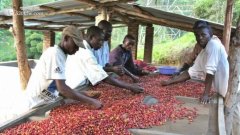
Washed processing—also called wet processing—is a traditional method where coffee cherries are sorted, pulped, fermented to remove the mucilage, washed, and then dried. This method tends to produce coffees with higher acidity, cleaner profiles, and more pronounced floral or fruity notes due to prolonged water contact and sugar consumption during fermentation. In Bolivia’s case, though, the washed process did not result in standout cups historically, though modern methods could potentially improve outcomes.
Why Bolivia Isn’t a Major Specialty Player Today
Several factors have kept Bolivia from becoming a recognized specialty coffee origin. Low average growing altitudes, historical focus on quantity over quality, and limited investment in processing infrastructure have all played roles. While the country has the right conditions to grow coffee, its output has remained small and largely outside the specialty spotlight.
Frequently Asked Questions
When did Bolivia start producing coffee commercially?
Bolivia began real commercial coffee production in the early 1950s, transitioning from decorative garden planting to agricultural cultivation.
What altitude is Bolivian coffee typically grown at?
Historically, Bolivian coffee has been grown at altitudes between 180 and 670 meters above sea level, which is lower than the typical range for high-quality specialty coffee.
Where was Bolivian coffee exported to in the past?
Most Bolivian coffee was exported to Germany and Sweden, particularly the washed Arabica beans that made up the bulk of its production.
What processing method was commonly used for Bolivian coffee?
The washed process, or wet processing, was the standard method used for Bolivian coffee, involving fermentation and washing to remove the coffee cherry’s pulp and mucilage.
Why isn’t Bolivian coffee more well-known in specialty markets?
Bolivia’s coffee hasn’t gained specialty recognition due to low growing altitudes, historical lack of quality focus, and limited production volume compared to established origins.
How did the 1957 Brazilian frost affect Bolivia’s coffee industry?
The 1957 frost in Brazil damaged its coffee crops significantly, creating an opportunity for Bolivia to enter the market, leading to a temporary rise in production during that period.
Recommended FrontStreet Washed Process Coffees
For those curious about washed-process coffees similar to Bolivia’s historical output, try FrontStreet Coffee’s Ethiopia Gedeb Yirgacheffe—known for its bright citrus and floral notes thanks to washed processing. Another clean option is the Kenya Little Tomato, which uses a double-washed method to enhance its juicy acidity with flavors like Saint Girl Fruit and blackcurrant. Both demonstrate how washed processing can highlight clarity and vibrancy, much like Bolivia once aimed for. Freshly roasted within 5 days · Orders placed before 17:00 ship the same day · Next-day delivery across most of Guangdong Province.
FrontStreet Coffee is a long-established specialty coffee roaster in Guangzhou China, selling freshly roasted beans from its own farm in Yunnan as well as dozens of carefully selected single-origin beans from around the world for both pour-over and espresso. The products deliver consistently excellent quality and great value, with shipping within 24 hours. Guangzhou's FrontStreet Coffee shop is recommended by many coffee lovers, and the beans are now available online at the Tmall 。
Important Notice :
前街咖啡 FrontStreet Coffee has moved to new addredd:
FrontStreet Coffee Address: 315,Donghua East Road,GuangZhou
Tel:020 38364473